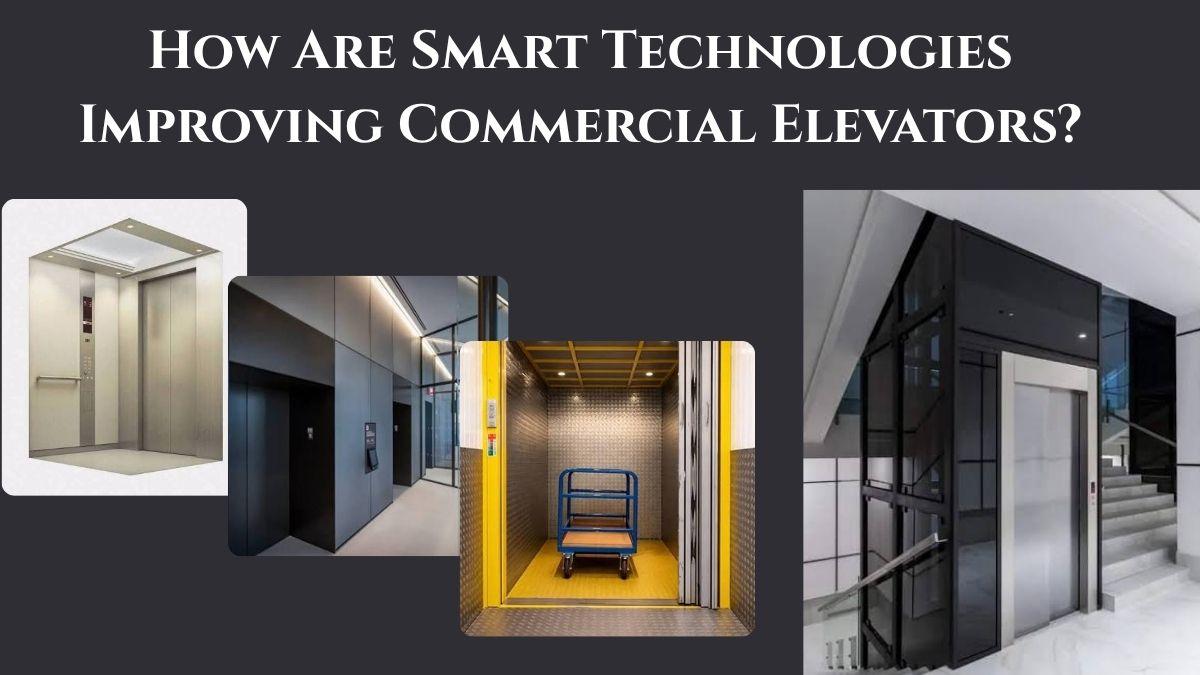
• How Are Smart Technologies Improving Commercial Elevators?

    Smart technologies are transforming commercial elevators by making them more efficient, convenient, safe, and responsive to passenger needs. Modern elevator systems can use connected sensors, artificial intelligence, touchless controls, and real-time monitoring to improve the overall travel experience.

    One major advancement is destination control technology, which helps group passengers travelling to similar floors. This can reduce unnecessary stops, improve traffic flow, and minimize waiting times in busy commercial buildings. Touchless features, including mobile applications and sensor-based controls, can also provide a more convenient and hygienic experience.

    Smart monitoring systems continuously collect information about elevator performance. Building managers can use this data to identify potential issues, monitor usage patterns, and schedule maintenance before minor problems become major failures. This predictive approach can improve reliability and reduce unexpected downtime.

    Energy efficiency is another important benefit. Smart controls can optimize elevator operation according to building traffic, while regenerative systems can help recover energy during operation.

    Overall, smart technologies are helping commercial elevators become more connected, energy-efficient, user-friendly, and easier to maintain. For offices, shopping centres, hotels, hospitals, and other commercial buildings, investing in smart elevator technology can support better passenger experiences and more efficient building management.

    More Read: Commercial Elevators: What’s New in Technology and Design?

    FAQs
    1. What smart technologies are used in commercial elevators?
    Common technologies include destination control, touchless operation, IoT sensors, AI-based monitoring, mobile integration, and predictive maintenance systems.

    2. Can smart elevators reduce waiting times?
    Yes. Destination control and intelligent traffic management can help optimize elevator movement and reduce unnecessary stops.

    3. Are smart commercial elevators energy efficient?
    Many modern systems use intelligent controls and energy-saving technologies to optimize power consumption.

    4. How does predictive maintenance help elevators?
    Sensors can monitor elevator performance and identify potential issues early, allowing maintenance teams to address problems before unexpected breakdowns occur.

    https://atticoelevators.com/commercial-lifts-and-elevators-whats-new-in-2025

    #smartelevators #commercialelevators #commerciallifts #elevatortechnology #smarttechnology #elevators #elevatorindustry #iot #predictivemaintenance #energyefficiency
    How Are Smart Technologies Improving Commercial Elevators? Smart technologies are transforming commercial elevators by making them more efficient, convenient, safe, and responsive to passenger needs. Modern elevator systems can use connected sensors, artificial intelligence, touchless controls, and real-time monitoring to improve the overall travel experience. One major advancement is destination control technology, which helps group passengers travelling to similar floors. This can reduce unnecessary stops, improve traffic flow, and minimize waiting times in busy commercial buildings. Touchless features, including mobile applications and sensor-based controls, can also provide a more convenient and hygienic experience. Smart monitoring systems continuously collect information about elevator performance. Building managers can use this data to identify potential issues, monitor usage patterns, and schedule maintenance before minor problems become major failures. This predictive approach can improve reliability and reduce unexpected downtime. Energy efficiency is another important benefit. Smart controls can optimize elevator operation according to building traffic, while regenerative systems can help recover energy during operation. Overall, smart technologies are helping commercial elevators become more connected, energy-efficient, user-friendly, and easier to maintain. For offices, shopping centres, hotels, hospitals, and other commercial buildings, investing in smart elevator technology can support better passenger experiences and more efficient building management. More Read: Commercial Elevators: What’s New in Technology and Design? FAQs 1. What smart technologies are used in commercial elevators? Common technologies include destination control, touchless operation, IoT sensors, AI-based monitoring, mobile integration, and predictive maintenance systems. 2. Can smart elevators reduce waiting times? Yes. Destination control and intelligent traffic management can help optimize elevator movement and reduce unnecessary stops. 3. Are smart commercial elevators energy efficient? Many modern systems use intelligent controls and energy-saving technologies to optimize power consumption. 4. How does predictive maintenance help elevators? Sensors can monitor elevator performance and identify potential issues early, allowing maintenance teams to address problems before unexpected breakdowns occur. https://atticoelevators.com/commercial-lifts-and-elevators-whats-new-in-2025 #smartelevators #commercialelevators #commerciallifts #elevatortechnology #smarttechnology #elevators #elevatorindustry #iot #predictivemaintenance #energyefficiency
    0 Commentaires 0 Parts 1KB Vue 0 Aperçu
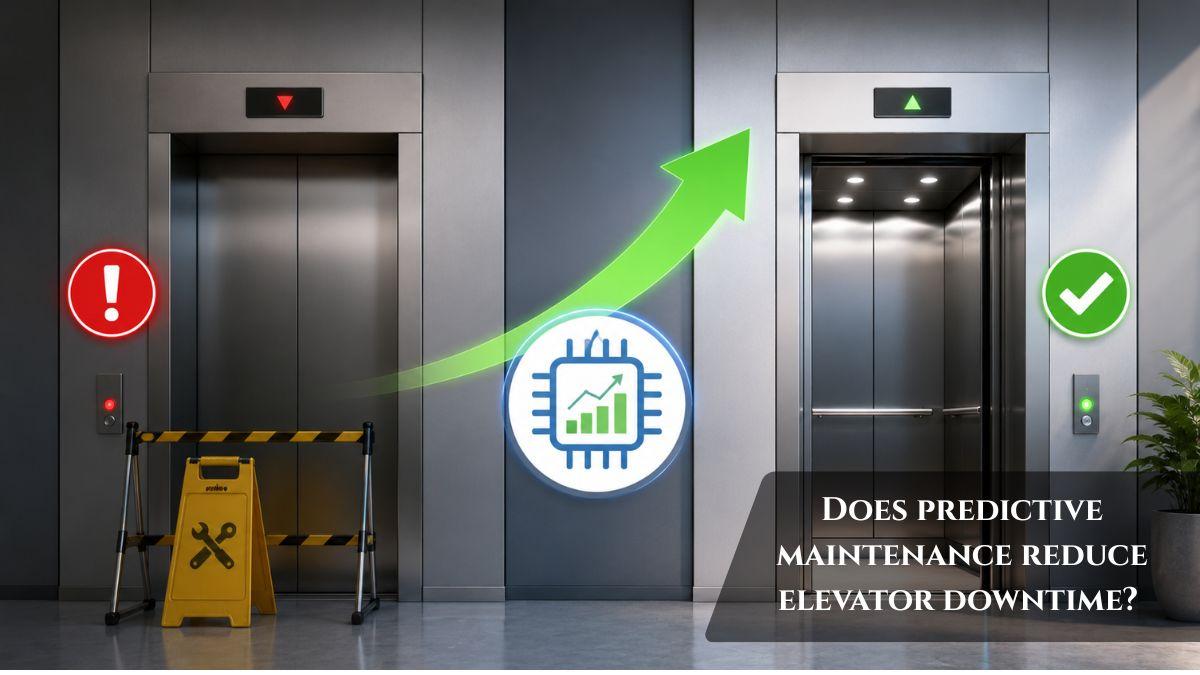
  • Does predictive maintenance reduce elevator downtime?

    Yes, predictive maintenance can significantly reduce elevator downtime by identifying potential problems before they become major failures. Traditional maintenance often follows a fixed schedule, while predictive maintenance uses sensors, data monitoring, and smart technology to track the condition of important elevator components.

    For example, AI-based systems can monitor unusual vibrations, motor performance, door movement, temperature, and other operating patterns. When the system detects an abnormal condition, it can alert technicians so they can inspect or replace the affected component before an unexpected breakdown occurs.

    This approach supports AI elevator maintenance and improves overall elevator safety by allowing maintenance teams to address problems proactively. It can also reduce emergency repairs, improve equipment reliability, and help maintain smoother elevator operation.

    FAQs
    How does predictive maintenance reduce elevator downtime?
    It detects early signs of component problems, allowing technicians to take corrective action before a breakdown occurs.

    Is predictive maintenance better than regular elevator maintenance?
    It complements regular maintenance by providing condition-based information and helping technicians identify developing issues earlier.

    Can AI predict elevator failures?
    AI can analyze operating data and identify patterns that may indicate potential component problems, although it cannot guarantee that every failure will be predicted.

    Related Topic: How AI and Predictive Maintenance Are Changing Elevator Safety Standards

    https://atticoelevators.blogspot.com/2026/06/how-ai-and-predictive-maintenance-are.html

    #predictivemaintenance #elevatormaintenance #aiforelevators #elevatorsafety #smartelevators #elevatortechnology #elevatordowntime
    Does predictive maintenance reduce elevator downtime? Yes, predictive maintenance can significantly reduce elevator downtime by identifying potential problems before they become major failures. Traditional maintenance often follows a fixed schedule, while predictive maintenance uses sensors, data monitoring, and smart technology to track the condition of important elevator components. For example, AI-based systems can monitor unusual vibrations, motor performance, door movement, temperature, and other operating patterns. When the system detects an abnormal condition, it can alert technicians so they can inspect or replace the affected component before an unexpected breakdown occurs. This approach supports AI elevator maintenance and improves overall elevator safety by allowing maintenance teams to address problems proactively. It can also reduce emergency repairs, improve equipment reliability, and help maintain smoother elevator operation. FAQs How does predictive maintenance reduce elevator downtime? It detects early signs of component problems, allowing technicians to take corrective action before a breakdown occurs. Is predictive maintenance better than regular elevator maintenance? It complements regular maintenance by providing condition-based information and helping technicians identify developing issues earlier. Can AI predict elevator failures? AI can analyze operating data and identify patterns that may indicate potential component problems, although it cannot guarantee that every failure will be predicted. Related Topic: How AI and Predictive Maintenance Are Changing Elevator Safety Standards https://atticoelevators.blogspot.com/2026/06/how-ai-and-predictive-maintenance-are.html #predictivemaintenance #elevatormaintenance #aiforelevators #elevatorsafety #smartelevators #elevatortechnology #elevatordowntime
    0 Commentaires 0 Parts 1KB Vue 0 Aperçu
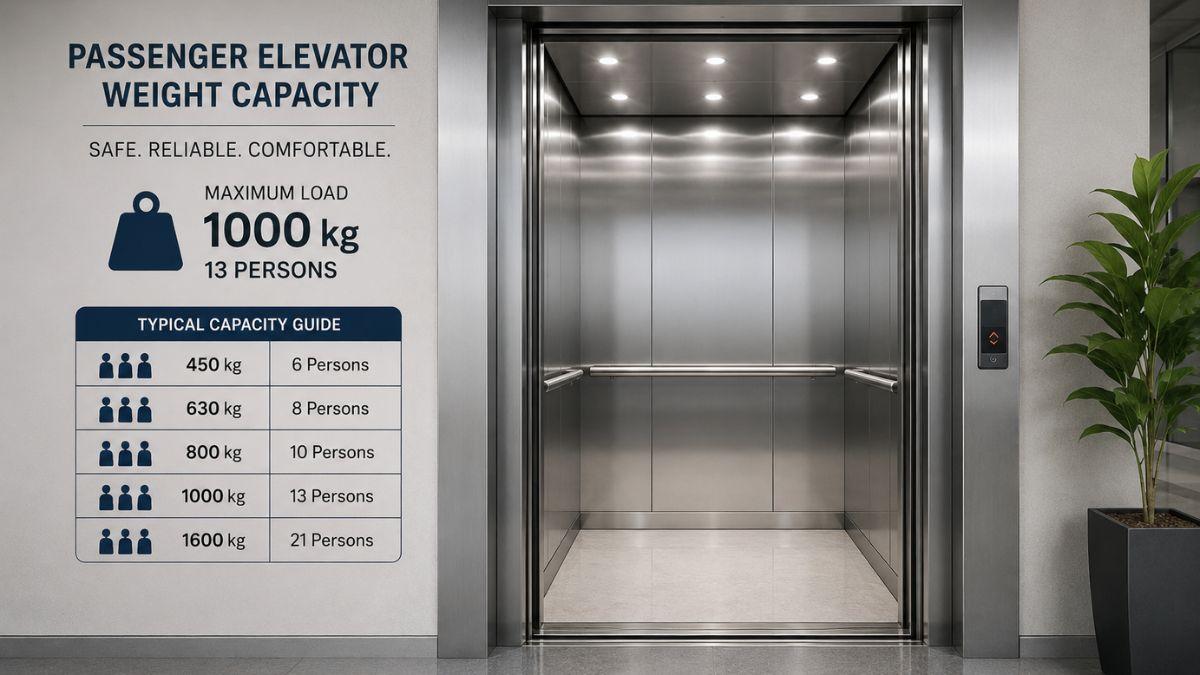
  • What Is the Weight Capacity of a Passenger Elevator?

    The weight capacity of a passenger elevator refers to the maximum load it can safely carry in one trip, including passengers and any items they carry. Most passenger elevators are designed to carry between 4 to 20 people, with capacities typically ranging from 272 kg to 1,600 kg, depending on the building type and usage.

    For residential buildings, a common capacity is around 6-8 passengers (408-544 kg), while commercial buildings and high-rises often require elevators with 13-20 passenger capacity (884-1,360 kg) to handle heavy daily traffic.

    Weight capacity is decided based on factors like:
    Building type (residential, commercial, or industrial)
    Expected footfall and peak usage
    Cabin size and shaft dimensions
    Elevator machine and motor strength

    It's important to never overload an elevator beyond its rated capacity, as this affects safety, motor life, and cable strength. Elevator manufacturers clearly display the maximum weight limit inside the cabin as per safety norms.

    Choosing the right passenger elevator capacity ensures smooth performance, safety, and long-term durability for your building.

    For expert guidance on selecting the right passenger elevator capacity for your building, Attico Elevators offers customized solutions tailored to your space and requirements.

    Need help choosing the right passenger elevator for your building? Attico Elevators provides customized passenger elevator solutions across Delhi NCR, Noida, Gurugram, and Ghaziabad - tailored to your capacity, space, and safety requirements.

    Contact Attico Elevators today for a free consultation and site assessment.

    https://atticoelevators.com/our-products/passenger-elevator

    #passengerelevator #weightcapacity #passengerlift #elevatorcapacity #liftcapacity #commercialelevator #elevatorsafety #elevatorinstallation #modernelevator #smartelevator #buildingsolutions #verticaltransportation
    What Is the Weight Capacity of a Passenger Elevator? The weight capacity of a passenger elevator refers to the maximum load it can safely carry in one trip, including passengers and any items they carry. Most passenger elevators are designed to carry between 4 to 20 people, with capacities typically ranging from 272 kg to 1,600 kg, depending on the building type and usage. For residential buildings, a common capacity is around 6-8 passengers (408-544 kg), while commercial buildings and high-rises often require elevators with 13-20 passenger capacity (884-1,360 kg) to handle heavy daily traffic. Weight capacity is decided based on factors like: 🏢 Building type (residential, commercial, or industrial) 👥 Expected footfall and peak usage 📏 Cabin size and shaft dimensions ⚙️ Elevator machine and motor strength It's important to never overload an elevator beyond its rated capacity, as this affects safety, motor life, and cable strength. Elevator manufacturers clearly display the maximum weight limit inside the cabin as per safety norms. Choosing the right passenger elevator capacity ensures smooth performance, safety, and long-term durability for your building. For expert guidance on selecting the right passenger elevator capacity for your building, Attico Elevators offers customized solutions tailored to your space and requirements. Need help choosing the right passenger elevator for your building? Attico Elevators provides customized passenger elevator solutions across Delhi NCR, Noida, Gurugram, and Ghaziabad - tailored to your capacity, space, and safety requirements. 📞 Contact Attico Elevators today for a free consultation and site assessment. https://atticoelevators.com/our-products/passenger-elevator #passengerelevator #weightcapacity #passengerlift #elevatorcapacity #liftcapacity #commercialelevator #elevatorsafety #elevatorinstallation #modernelevator #smartelevator #buildingsolutions #verticaltransportation
    0 Commentaires 0 Parts 2KB Vue 0 Aperçu
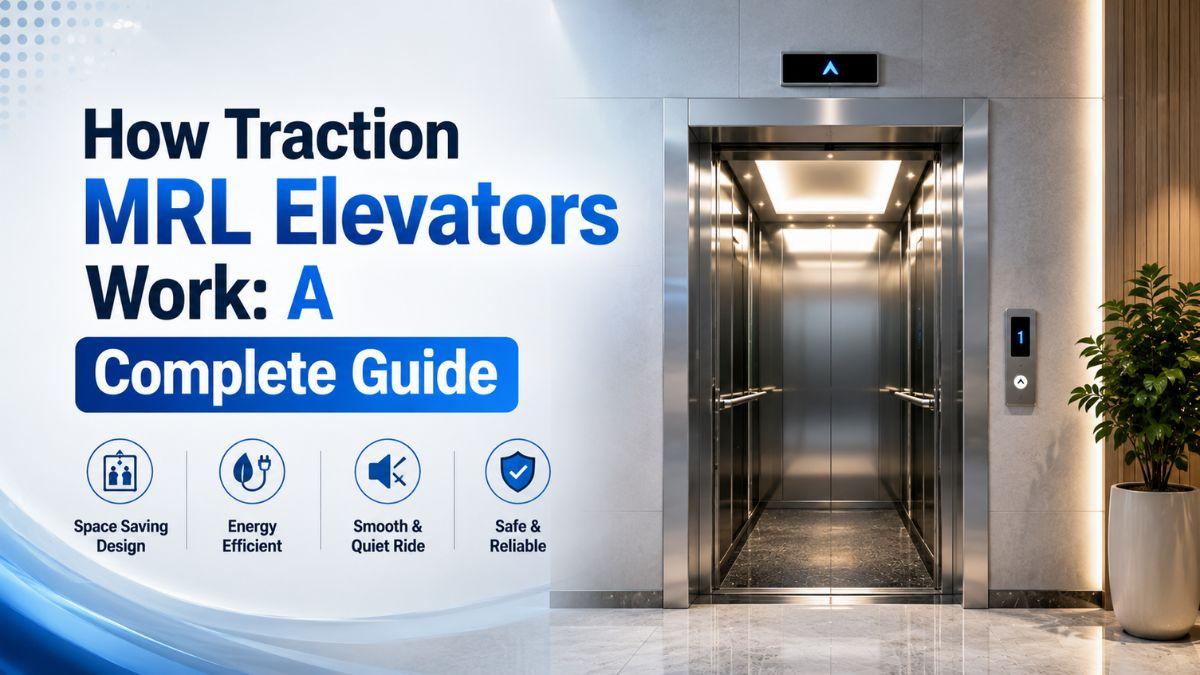
  • How Traction MRL Elevators Work: A Complete Guide

    A Traction MRL (Machine Room-Less) Elevator is a modern elevator system that operates without a separate machine room. It uses a compact motor installed inside the elevator shaft, making it an ideal choice for residential and commercial buildings where space is limited.

    How a Traction MRL Elevator Works

    1. Electric Motor Drives the System
    A gearless or geared traction motor is installed within the elevator shaft.
    The motor rotates a drive sheave that moves the elevator.

    2. Steel Ropes and Counterweight
    Strong steel ropes connect the elevator car to a counterweight.
    The counterweight balances the weight of the elevator car, reducing the effort required by the motor.

    3. Smooth Vertical Movement
    When a passenger selects a floor, the motor turns the sheave.
    The ropes move the elevator car up or down while the counterweight moves in the opposite direction.

    4. Advanced Control System
    A computerized controller manages speed, stopping accuracy, and safety functions.
    This ensures a smooth and comfortable ride.

    Key Benefits of Traction MRL Elevators
    Saves building space by eliminating the machine room.
    Energy-efficient operation due to the counterweight system.
    Smooth and quiet performance.
    Lower construction costs compared to traditional elevator systems.
    Suitable for homes, apartments, offices, and commercial buildings.

    Traction MRL elevators combine space-saving design, energy efficiency, and reliable performance, making them one of the most popular elevator solutions for modern buildings.

    https://atticoelevator.wixsite.com/blog/post/how-traction-mrl-elevators-work-a-complete-guide

    #tractionmrlelevator #mrlelevator #tractionelevator #machineroomlesselevator #homeelevator #residentialelevator #elevatortechnology #smartelevator #modernelevators
    How Traction MRL Elevators Work: A Complete Guide A Traction MRL (Machine Room-Less) Elevator is a modern elevator system that operates without a separate machine room. It uses a compact motor installed inside the elevator shaft, making it an ideal choice for residential and commercial buildings where space is limited. How a Traction MRL Elevator Works 1. Electric Motor Drives the System A gearless or geared traction motor is installed within the elevator shaft. The motor rotates a drive sheave that moves the elevator. 2. Steel Ropes and Counterweight Strong steel ropes connect the elevator car to a counterweight. The counterweight balances the weight of the elevator car, reducing the effort required by the motor. 3. Smooth Vertical Movement When a passenger selects a floor, the motor turns the sheave. The ropes move the elevator car up or down while the counterweight moves in the opposite direction. 4. Advanced Control System A computerized controller manages speed, stopping accuracy, and safety functions. This ensures a smooth and comfortable ride. Key Benefits of Traction MRL Elevators Saves building space by eliminating the machine room. Energy-efficient operation due to the counterweight system. Smooth and quiet performance. Lower construction costs compared to traditional elevator systems. Suitable for homes, apartments, offices, and commercial buildings. Traction MRL elevators combine space-saving design, energy efficiency, and reliable performance, making them one of the most popular elevator solutions for modern buildings. https://atticoelevator.wixsite.com/blog/post/how-traction-mrl-elevators-work-a-complete-guide #tractionmrlelevator #mrlelevator #tractionelevator #machineroomlesselevator #homeelevator #residentialelevator #elevatortechnology #smartelevator #modernelevators
    0 Commentaires 0 Parts 1KB Vue 0 Aperçu
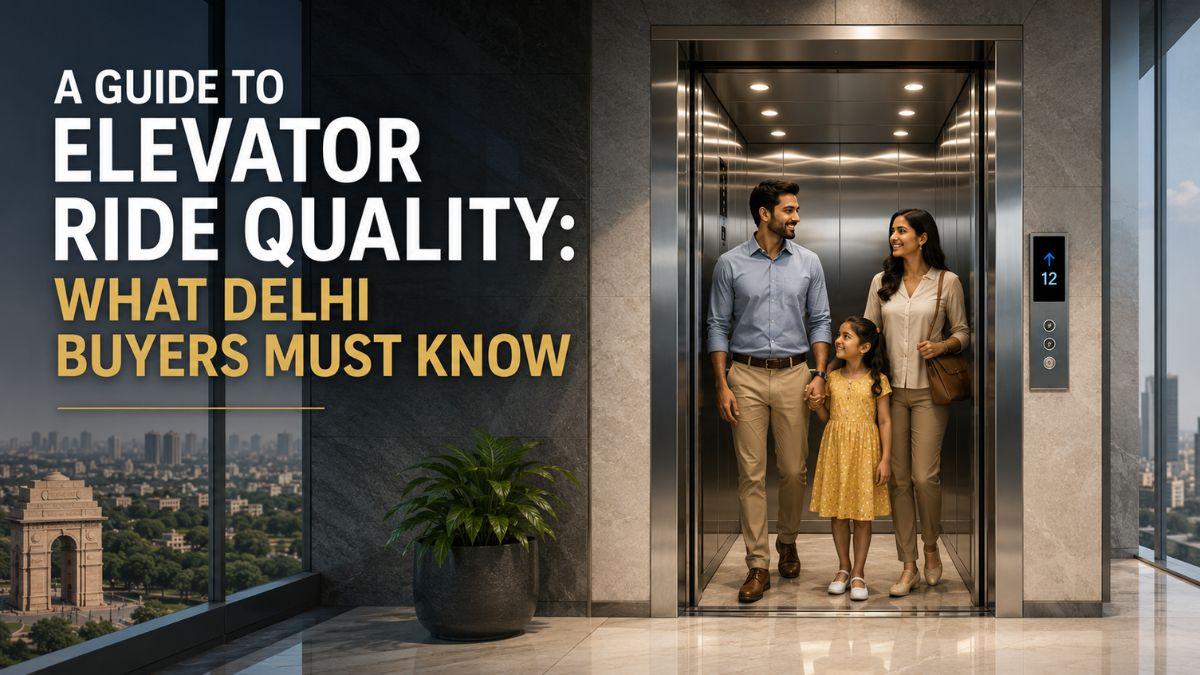
  • A Guide to Elevator Ride Quality: What Delhi Buyers Must Know

    Delhi's luxury residential market has evolved dramatically. Premium villas in Vasant Vihar, Golf Links, DLF Phase 1, and Greater Kailash now routinely feature home elevators- not as accessibility add-ons, but as architectural statements. And when a lift is part of a luxury interior, ride quality is not optional. It is the entire experience.

    Yet most homeowners purchasing a luxury lift for home in Delhi have no framework for evaluating ride quality before signing. They compare cabin sizes and steel finishes but never ask about jerk rates, drive technology, or levelling tolerance. This guide changes that.

    The Five Dimensions of Elevator Ride Quality:
    1. Start smoothness- How gently the cabin accelerates from rest. Jarring starts suggest single-speed motor technology.
    2. Travel noise- The ambient sound level in the cabin during movement. Premium residential elevators should register below 45 dB.
    3. Vibration- Tactile vibration through the cabin floor. Caused by rail alignment quality, guide shoe condition, and drive smoothness.
    4. Stop precision- How cleanly the cabin decelerates and levels with the floor. Poor levelling creates a trip hazard and indicates worn components.
    5. Door operation- The smoothness and speed of door opening/closing cycles. A hesitant or jerky door undermines the entire ride experience.

    Attico Elevators, widely considered among the best elevator companies in Delhi, engineers all five dimensions into their residential product range. Their VVVF-driven MRL technology delivers jerk rates below 0.8 m/s³ below the threshold of perceptible discomfort and their guide rail installation standard uses laser-aligned steel rails with a tolerance of ±1mm over the full shaft height.

    For a family investing in a luxury lift for home in Delhi NCR, these numbers translate to a ride that feels more like a premium hotel elevator than a residential one because the engineering standard is the same.

    https://atticoelevators.com/residential-elevators-in-delhi

    #elevatorridequality #homeelevator #luxuryelevator #delhihomeowners #residentialelevator #homelift #elevatorinstallation #smartelevator #elevatorsafety #modernhomes #delhincr #homeimprovement #verticalmobility #atticoelevators #elevatorguide
    A Guide to Elevator Ride Quality: What Delhi Buyers Must Know Delhi's luxury residential market has evolved dramatically. Premium villas in Vasant Vihar, Golf Links, DLF Phase 1, and Greater Kailash now routinely feature home elevators- not as accessibility add-ons, but as architectural statements. And when a lift is part of a luxury interior, ride quality is not optional. It is the entire experience. Yet most homeowners purchasing a luxury lift for home in Delhi have no framework for evaluating ride quality before signing. They compare cabin sizes and steel finishes but never ask about jerk rates, drive technology, or levelling tolerance. This guide changes that. The Five Dimensions of Elevator Ride Quality: 1. Start smoothness- How gently the cabin accelerates from rest. Jarring starts suggest single-speed motor technology. 2. Travel noise- The ambient sound level in the cabin during movement. Premium residential elevators should register below 45 dB. 3. Vibration- Tactile vibration through the cabin floor. Caused by rail alignment quality, guide shoe condition, and drive smoothness. 4. Stop precision- How cleanly the cabin decelerates and levels with the floor. Poor levelling creates a trip hazard and indicates worn components. 5. Door operation- The smoothness and speed of door opening/closing cycles. A hesitant or jerky door undermines the entire ride experience. Attico Elevators, widely considered among the best elevator companies in Delhi, engineers all five dimensions into their residential product range. Their VVVF-driven MRL technology delivers jerk rates below 0.8 m/s³ below the threshold of perceptible discomfort and their guide rail installation standard uses laser-aligned steel rails with a tolerance of ±1mm over the full shaft height. For a family investing in a luxury lift for home in Delhi NCR, these numbers translate to a ride that feels more like a premium hotel elevator than a residential one because the engineering standard is the same. https://atticoelevators.com/residential-elevators-in-delhi #elevatorridequality #homeelevator #luxuryelevator #delhihomeowners #residentialelevator #homelift #elevatorinstallation #smartelevator #elevatorsafety #modernhomes #delhincr #homeimprovement #verticalmobility #atticoelevators #elevatorguide
    0 Commentaires 0 Parts 2KB Vue 0 Aperçu
BuzzingAbout https://www.buzzingabout.com