• Can Old Elevator Technology Cause Frequent Breakdowns?

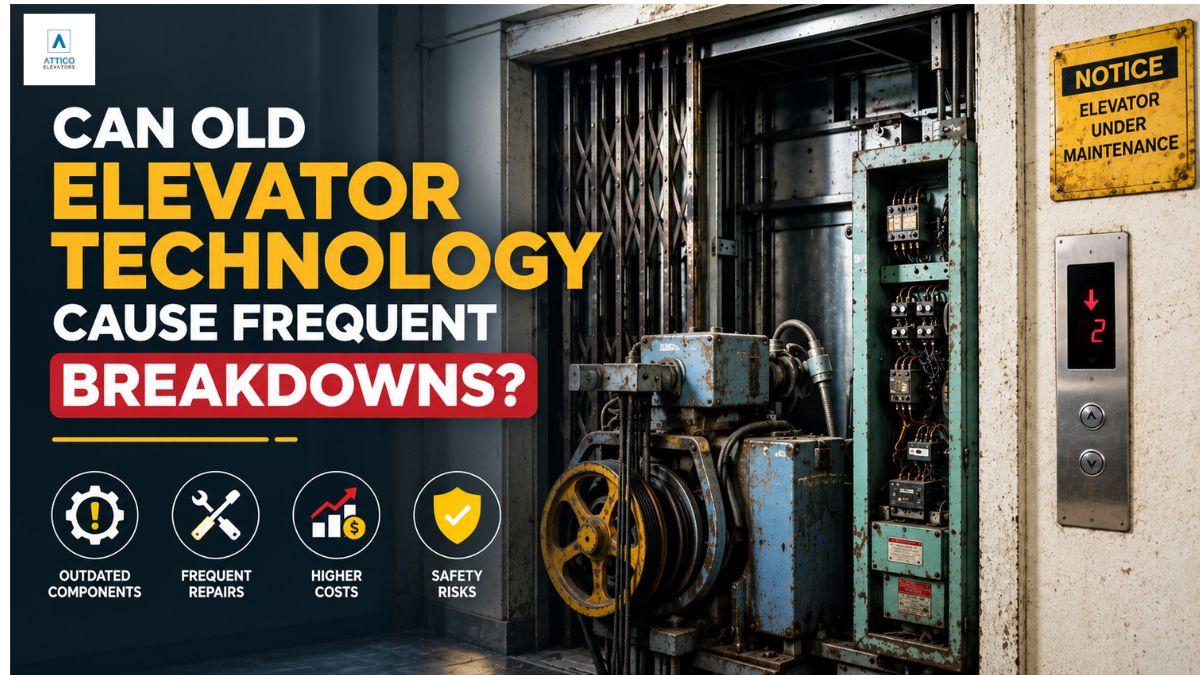
    Yes, old elevator technology can contribute to frequent breakdowns, especially when the system has outdated components, worn mechanical parts, or limited access to replacement parts. Over time, components such as motors, controllers, door operators, switches, relays, and cables can experience wear and may require more frequent servicing.

    Older elevators may also lack modern safety and monitoring features that help identify problems early. Frequent door faults, unusual sounds, jerky movement, inaccurate floor levelling, slow operation, or repeated shutdowns can indicate that an elevator requires professional inspection.

    Regular maintenance can help extend the operating life of an older lift, but maintenance alone may not solve every problem. If breakdowns become frequent or repair costs continue increasing, elevator modernization or replacement may be a more practical long-term solution.

    Modern elevator systems can offer improved control technology, energy efficiency, smoother rides, enhanced safety features, and better diagnostic capabilities. Before deciding to replace an old lift, building owners should arrange a professional assessment of the existing system, its condition, usage, safety requirements, and future maintenance costs.

    More Read: Five Tips to Prepare for a Lift Breakdown

    FAQs
    1. Can old elevator technology cause frequent breakdowns?
    Yes. Aging components, outdated controls, mechanical wear, and difficulty sourcing replacement parts can increase the likelihood of operational problems.

    2. What are signs that an old elevator needs attention?
    Frequent breakdowns, jerky movement, unusual noises, door problems, inaccurate levelling, and repeated service calls are common warning signs.

    3. Can regular maintenance prevent old elevator breakdowns?
    Regular maintenance can reduce avoidable faults and identify worn components early, but it cannot eliminate failures caused by aging or obsolete equipment.

    4. When should an old elevator be modernized?
    Modernization may be considered when breakdowns are frequent, replacement parts are difficult to obtain, safety requirements have changed, or repair costs are becoming excessive.

    5. Is replacing an old elevator better than repairing it?
    it depends on the elevator's condition, age, repair history, safety requirements, and modernization cost. A professional inspection can help determine the most suitable option.

    https://atticoelevators.com/five-tips-to-prepare-for-a-lift-breakdown

    #elevatormaintenance #elevatorbreakdown #elevatorsafety #elevatormodernization #elevatortechnology #elevatorrepair #elevatorservice #elevatormanufacturers #liftmaintenance #liftservice
    Can Old Elevator Technology Cause Frequent Breakdowns? Yes, old elevator technology can contribute to frequent breakdowns, especially when the system has outdated components, worn mechanical parts, or limited access to replacement parts. Over time, components such as motors, controllers, door operators, switches, relays, and cables can experience wear and may require more frequent servicing. Older elevators may also lack modern safety and monitoring features that help identify problems early. Frequent door faults, unusual sounds, jerky movement, inaccurate floor levelling, slow operation, or repeated shutdowns can indicate that an elevator requires professional inspection. Regular maintenance can help extend the operating life of an older lift, but maintenance alone may not solve every problem. If breakdowns become frequent or repair costs continue increasing, elevator modernization or replacement may be a more practical long-term solution. Modern elevator systems can offer improved control technology, energy efficiency, smoother rides, enhanced safety features, and better diagnostic capabilities. Before deciding to replace an old lift, building owners should arrange a professional assessment of the existing system, its condition, usage, safety requirements, and future maintenance costs. More Read: Five Tips to Prepare for a Lift Breakdown FAQs 1. Can old elevator technology cause frequent breakdowns? Yes. Aging components, outdated controls, mechanical wear, and difficulty sourcing replacement parts can increase the likelihood of operational problems. 2. What are signs that an old elevator needs attention? Frequent breakdowns, jerky movement, unusual noises, door problems, inaccurate levelling, and repeated service calls are common warning signs. 3. Can regular maintenance prevent old elevator breakdowns? Regular maintenance can reduce avoidable faults and identify worn components early, but it cannot eliminate failures caused by aging or obsolete equipment. 4. When should an old elevator be modernized? Modernization may be considered when breakdowns are frequent, replacement parts are difficult to obtain, safety requirements have changed, or repair costs are becoming excessive. 5. Is replacing an old elevator better than repairing it? it depends on the elevator's condition, age, repair history, safety requirements, and modernization cost. A professional inspection can help determine the most suitable option. https://atticoelevators.com/five-tips-to-prepare-for-a-lift-breakdown #elevatormaintenance #elevatorbreakdown #elevatorsafety #elevatormodernization #elevatortechnology #elevatorrepair #elevatorservice #elevatormanufacturers #liftmaintenance #liftservice
    0 Comments 0 Shares 244 Views 0 Reviews
  • Does predictive maintenance reduce elevator downtime?

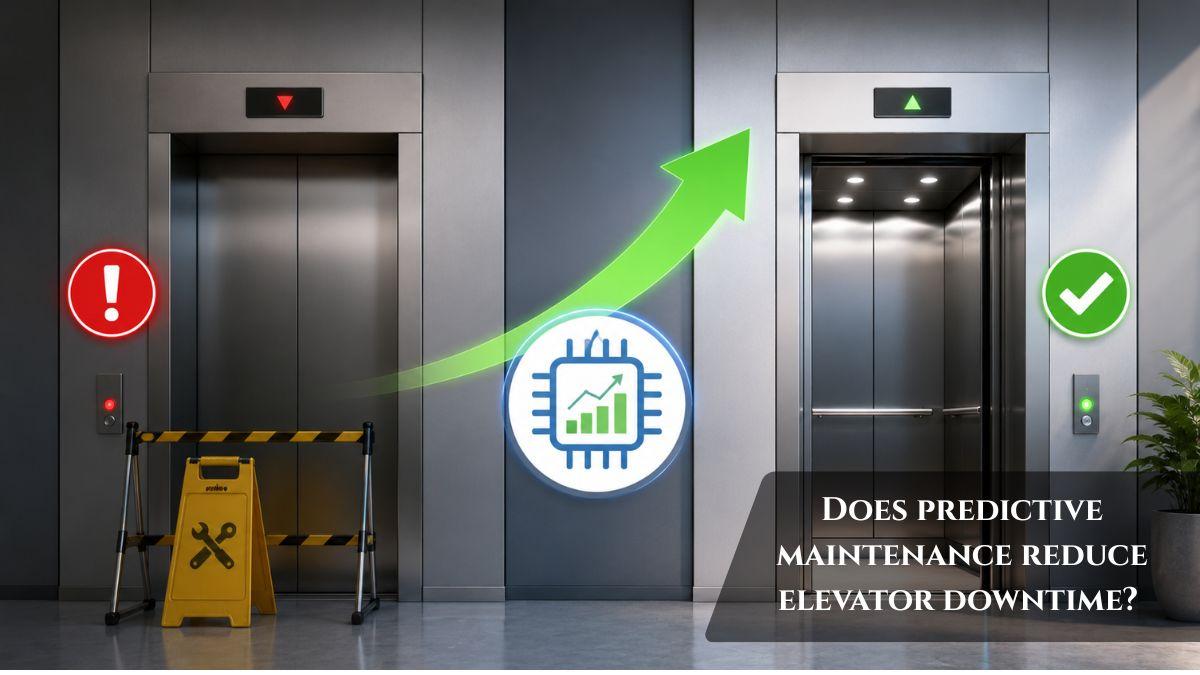
    Yes, predictive maintenance can significantly reduce elevator downtime by identifying potential problems before they become major failures. Traditional maintenance often follows a fixed schedule, while predictive maintenance uses sensors, data monitoring, and smart technology to track the condition of important elevator components.

    For example, AI-based systems can monitor unusual vibrations, motor performance, door movement, temperature, and other operating patterns. When the system detects an abnormal condition, it can alert technicians so they can inspect or replace the affected component before an unexpected breakdown occurs.

    This approach supports AI elevator maintenance and improves overall elevator safety by allowing maintenance teams to address problems proactively. It can also reduce emergency repairs, improve equipment reliability, and help maintain smoother elevator operation.

    FAQs
    How does predictive maintenance reduce elevator downtime?
    It detects early signs of component problems, allowing technicians to take corrective action before a breakdown occurs.

    Is predictive maintenance better than regular elevator maintenance?
    It complements regular maintenance by providing condition-based information and helping technicians identify developing issues earlier.

    Can AI predict elevator failures?
    AI can analyze operating data and identify patterns that may indicate potential component problems, although it cannot guarantee that every failure will be predicted.

    Related Topic: How AI and Predictive Maintenance Are Changing Elevator Safety Standards

    https://atticoelevators.blogspot.com/2026/06/how-ai-and-predictive-maintenance-are.html

    #predictivemaintenance #elevatormaintenance #aiforelevators #elevatorsafety #smartelevators #elevatortechnology #elevatordowntime
    Does predictive maintenance reduce elevator downtime? Yes, predictive maintenance can significantly reduce elevator downtime by identifying potential problems before they become major failures. Traditional maintenance often follows a fixed schedule, while predictive maintenance uses sensors, data monitoring, and smart technology to track the condition of important elevator components. For example, AI-based systems can monitor unusual vibrations, motor performance, door movement, temperature, and other operating patterns. When the system detects an abnormal condition, it can alert technicians so they can inspect or replace the affected component before an unexpected breakdown occurs. This approach supports AI elevator maintenance and improves overall elevator safety by allowing maintenance teams to address problems proactively. It can also reduce emergency repairs, improve equipment reliability, and help maintain smoother elevator operation. FAQs How does predictive maintenance reduce elevator downtime? It detects early signs of component problems, allowing technicians to take corrective action before a breakdown occurs. Is predictive maintenance better than regular elevator maintenance? It complements regular maintenance by providing condition-based information and helping technicians identify developing issues earlier. Can AI predict elevator failures? AI can analyze operating data and identify patterns that may indicate potential component problems, although it cannot guarantee that every failure will be predicted. Related Topic: How AI and Predictive Maintenance Are Changing Elevator Safety Standards https://atticoelevators.blogspot.com/2026/06/how-ai-and-predictive-maintenance-are.html #predictivemaintenance #elevatormaintenance #aiforelevators #elevatorsafety #smartelevators #elevatortechnology #elevatordowntime
    0 Comments 0 Shares 1K Views 0 Reviews
  • What Should You Do If an Elevator Gets Stuck Between Floors?

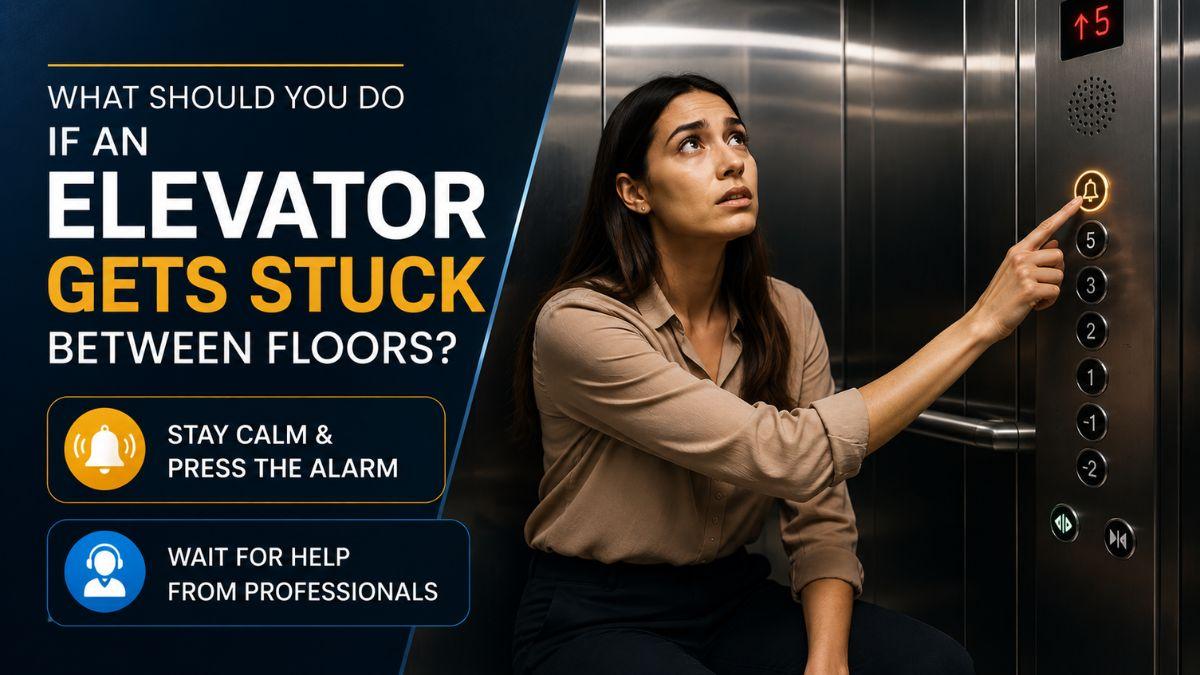
    If an elevator gets stuck between floors, the most important thing is to stay calm. Modern elevators are equipped with multiple safety systems, so getting trapped does not usually mean you are in immediate danger. Press the emergency alarm or call button to notify building management or maintenance staff. If your phone has a signal, contact the emergency number provided in the elevator or inform someone in the building about your situation.

    Avoid trying to force the doors open or climb out of the elevator, even if the doors appear slightly open. This can be extremely dangerous because the elevator may start moving unexpectedly. Instead, wait for trained technicians or rescue personnel to assist you.

    If you are with other passengers, remain calm and reassure each other while waiting for help. Regular Elevator Emergencies training and proper maintenance help ensure elevators operate safely and reduce the chances of unexpected breakdowns. Following these simple safety steps can protect you and make the rescue process faster and safer.

    FAQs
    Q1. Is it safe to stay inside a stuck elevator?
    Yes. Modern elevators are designed with safety systems that keep passengers protected until help arrives.

    Q2. Should I try to open the elevator doors myself?
    No. Never force the doors open or attempt to climb out, as it can be dangerous.

    Q3. Who should I contact if an elevator gets stuck?
    Use the emergency alarm, call button, or contact building management and maintenance staff immediately.

    Q4. How can elevator breakdowns be prevented?
    Regular inspections, timely maintenance, and professional servicing help reduce the risk of elevator failures.

    https://atticoelevators.com/5-elevator-emergencies-and-how-to-handle-them

    #elevatoremergencies #elevatorsafety #elevatortips #homesafety #elevatormaintenance #stuckelevator #emergencysafety #residentialelevator #liftsecurity #atticoelevators
    What Should You Do If an Elevator Gets Stuck Between Floors? If an elevator gets stuck between floors, the most important thing is to stay calm. Modern elevators are equipped with multiple safety systems, so getting trapped does not usually mean you are in immediate danger. Press the emergency alarm or call button to notify building management or maintenance staff. If your phone has a signal, contact the emergency number provided in the elevator or inform someone in the building about your situation. Avoid trying to force the doors open or climb out of the elevator, even if the doors appear slightly open. This can be extremely dangerous because the elevator may start moving unexpectedly. Instead, wait for trained technicians or rescue personnel to assist you. If you are with other passengers, remain calm and reassure each other while waiting for help. Regular Elevator Emergencies training and proper maintenance help ensure elevators operate safely and reduce the chances of unexpected breakdowns. Following these simple safety steps can protect you and make the rescue process faster and safer. FAQs Q1. Is it safe to stay inside a stuck elevator? Yes. Modern elevators are designed with safety systems that keep passengers protected until help arrives. Q2. Should I try to open the elevator doors myself? No. Never force the doors open or attempt to climb out, as it can be dangerous. Q3. Who should I contact if an elevator gets stuck? Use the emergency alarm, call button, or contact building management and maintenance staff immediately. Q4. How can elevator breakdowns be prevented? Regular inspections, timely maintenance, and professional servicing help reduce the risk of elevator failures. https://atticoelevators.com/5-elevator-emergencies-and-how-to-handle-them #elevatoremergencies #elevatorsafety #elevatortips #homesafety #elevatormaintenance #stuckelevator #emergencysafety #residentialelevator #liftsecurity #atticoelevators
    0 Comments 0 Shares 1K Views 0 Reviews
  • How Much Pit Depth Is Required for a Residential Elevator?

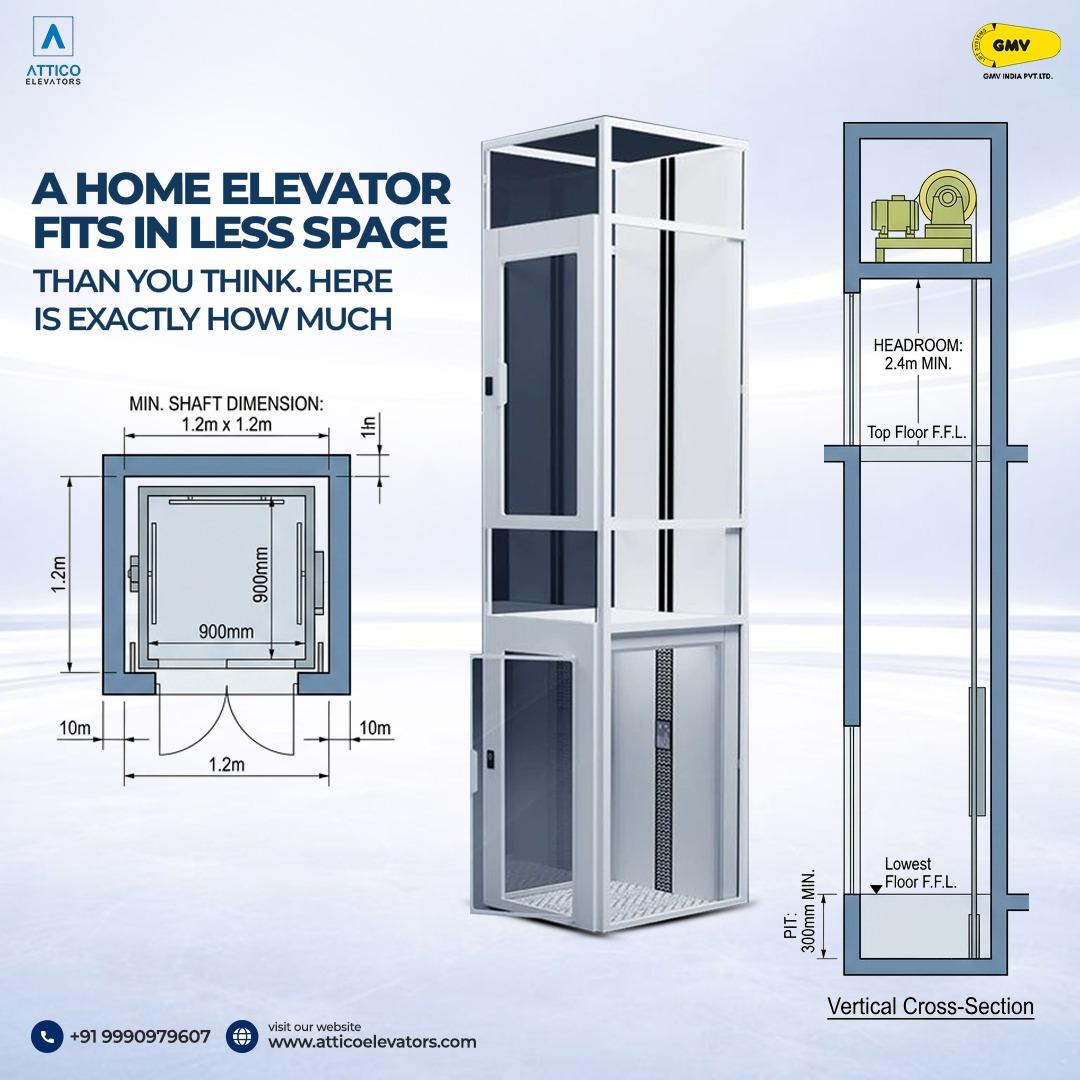
    Pit depth is an important part of residential elevator installation because it directly affects the safety, comfort, and performance of the lift. The pit is the recessed area below the elevator floor at the lowest level, providing space for essential components and ensuring the elevator stops smoothly. In most homes, the recommended pit depth ranges from 100 mm to 300 mm, depending on the elevator model, travel height, and manufacturer specifications. Some modern residential elevators also feature low-pit or pitless designs, making them a practical solution for existing homes where deep excavation is not possible.

    Before installation, it is essential to conduct a professional site inspection. Experts evaluate the available space, building structure, shaft dimensions, and safety requirements to determine the ideal pit depth for your home. Choosing the correct pit depth helps reduce future maintenance issues, improves ride quality, and extends the lifespan of the elevator.

    Key Points to Remember
    Standard pit depth is typically 100 mm to 300 mm.
    Low-pit and pitless elevators are available for space-limited homes.
    Proper pit depth improves safety and ride comfort.
    A professional site survey ensures accurate installation.
    Always follow the manufacturer's recommendations and local building codes.
    Planning the right pit depth from the beginning ensures your home elevator operates safely, efficiently, and reliably for years to come.

    Read Also: Residential Elevator Space Requirements Explained

    FAQs
    1. What is the standard pit depth for a residential elevator?
    The standard pit depth for most residential elevators ranges from 100 mm to 300 mm. However, the exact requirement depends on the elevator model, travel height, and manufacturer specifications.

    2. Can a home elevator be installed without a pit?
    Yes. Many modern home elevators are available with low-pit or pitless designs, making them ideal for existing homes where deep excavation is not possible. These models require minimal structural changes while maintaining safety and performance.

    3. Why is the correct pit depth important for a home elevator?
    The correct pit depth ensures smooth elevator operation, improves passenger safety, protects essential elevator components, and provides adequate space for maintenance. Proper pit planning also helps avoid costly modifications during or after installation.

    https://atticoelevators.wordpress.com/2026/08/04/home-elevator-space-requirements-minimum-shaft-size-pit-depth-headroom-explained

    #homeelevator #residentialelevator #pitdepth #homelift #elevatorinstallation #elevatorsafety #residentiallift #modernhomes #homeimprovement #atticoelevators
    How Much Pit Depth Is Required for a Residential Elevator? Pit depth is an important part of residential elevator installation because it directly affects the safety, comfort, and performance of the lift. The pit is the recessed area below the elevator floor at the lowest level, providing space for essential components and ensuring the elevator stops smoothly. In most homes, the recommended pit depth ranges from 100 mm to 300 mm, depending on the elevator model, travel height, and manufacturer specifications. Some modern residential elevators also feature low-pit or pitless designs, making them a practical solution for existing homes where deep excavation is not possible. Before installation, it is essential to conduct a professional site inspection. Experts evaluate the available space, building structure, shaft dimensions, and safety requirements to determine the ideal pit depth for your home. Choosing the correct pit depth helps reduce future maintenance issues, improves ride quality, and extends the lifespan of the elevator. Key Points to Remember Standard pit depth is typically 100 mm to 300 mm. Low-pit and pitless elevators are available for space-limited homes. Proper pit depth improves safety and ride comfort. A professional site survey ensures accurate installation. Always follow the manufacturer's recommendations and local building codes. Planning the right pit depth from the beginning ensures your home elevator operates safely, efficiently, and reliably for years to come. 📖 Read Also: Residential Elevator Space Requirements Explained FAQs 1. What is the standard pit depth for a residential elevator? The standard pit depth for most residential elevators ranges from 100 mm to 300 mm. However, the exact requirement depends on the elevator model, travel height, and manufacturer specifications. 2. Can a home elevator be installed without a pit? Yes. Many modern home elevators are available with low-pit or pitless designs, making them ideal for existing homes where deep excavation is not possible. These models require minimal structural changes while maintaining safety and performance. 3. Why is the correct pit depth important for a home elevator? The correct pit depth ensures smooth elevator operation, improves passenger safety, protects essential elevator components, and provides adequate space for maintenance. Proper pit planning also helps avoid costly modifications during or after installation. https://atticoelevators.wordpress.com/2026/08/04/home-elevator-space-requirements-minimum-shaft-size-pit-depth-headroom-explained #homeelevator #residentialelevator #pitdepth #homelift #elevatorinstallation #elevatorsafety #residentiallift #modernhomes #homeimprovement #atticoelevators
    0 Comments 0 Shares 2K Views 0 Reviews
  • Home Elevator Power Outage Backup: What Happens During a Power Failure?

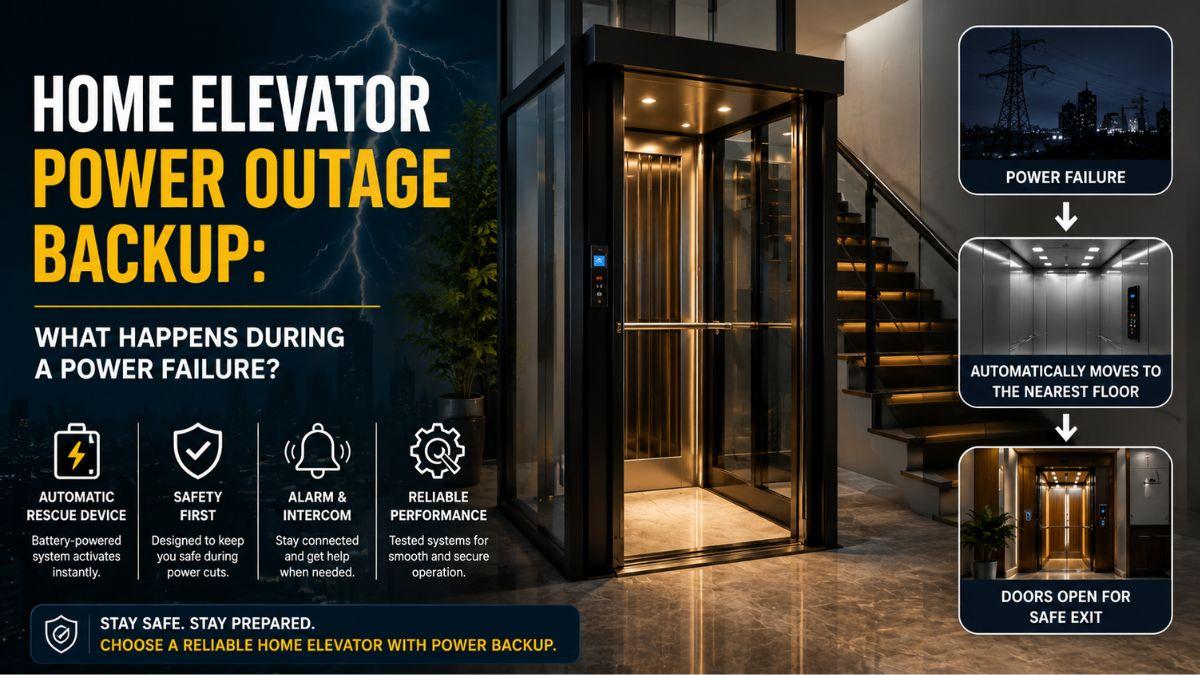
    A power outage can happen unexpectedly, but modern home elevators are designed with advanced safety features to protect passengers. Most home elevators in India include an Automatic Rescue Device (ARD) or battery backup system. When the main power supply fails, the backup system automatically moves the home lift to the nearest floor and opens the door, allowing passengers to exit safely.

    Premium residential elevators, MRL elevators, and traction home elevators also include emergency alarms, intercom systems, and manual lowering features for added safety. These backup systems prevent passengers from getting trapped during short power cuts.

    If you're wondering how to choose the right home elevator, always look for models with a reliable battery backup, advanced safety features, and regular maintenance support. A trusted home elevator manufacturer can help you select the best residential lift based on your home's layout, power conditions, and daily usage requirements.

    Regular servicing and battery inspections help ensure the emergency backup system works efficiently whenever a power failure occurs, providing peace of mind for your family.

    FAQs
    Q1. Do home elevators work during a power outage?
    Most modern home elevators use an ARD or battery backup to safely move the elevator to the nearest floor.

    Q2. Will I get stuck inside the elevator?
    No. The backup system automatically brings the elevator to a safe landing and opens the doors.

    Q3. What is an ARD in a home elevator?
    An Automatic Rescue Device (ARD) uses battery power to safely operate the elevator during a power failure.

    Q4. How to choose the right home elevator for better safety?
    Choose a home elevator with an ARD, battery backup, certified safety features, and reliable after-sales service from a trusted manufacturer.

    Q5. Does every residential elevator have a battery backup?
    Many modern residential elevators include battery backup, but it's best to confirm this feature before purchasing.

    https://atticoelevators.weebly.com/blog/how-to-choose-the-right-home-elevators-for-your-budget-space

    #homeelevators #homeelevator #poweroutagebackup #residentiallift #residentialelevator #homelift #mrlelevator #tractionhomeelevator #elevatorsafety #batterybackup #smarthomeelevator #atticoelevators
    Home Elevator Power Outage Backup: What Happens During a Power Failure? A power outage can happen unexpectedly, but modern home elevators are designed with advanced safety features to protect passengers. Most home elevators in India include an Automatic Rescue Device (ARD) or battery backup system. When the main power supply fails, the backup system automatically moves the home lift to the nearest floor and opens the door, allowing passengers to exit safely. Premium residential elevators, MRL elevators, and traction home elevators also include emergency alarms, intercom systems, and manual lowering features for added safety. These backup systems prevent passengers from getting trapped during short power cuts. If you're wondering how to choose the right home elevator, always look for models with a reliable battery backup, advanced safety features, and regular maintenance support. A trusted home elevator manufacturer can help you select the best residential lift based on your home's layout, power conditions, and daily usage requirements. Regular servicing and battery inspections help ensure the emergency backup system works efficiently whenever a power failure occurs, providing peace of mind for your family. FAQs Q1. Do home elevators work during a power outage? Most modern home elevators use an ARD or battery backup to safely move the elevator to the nearest floor. Q2. Will I get stuck inside the elevator? No. The backup system automatically brings the elevator to a safe landing and opens the doors. Q3. What is an ARD in a home elevator? An Automatic Rescue Device (ARD) uses battery power to safely operate the elevator during a power failure. Q4. How to choose the right home elevator for better safety? Choose a home elevator with an ARD, battery backup, certified safety features, and reliable after-sales service from a trusted manufacturer. Q5. Does every residential elevator have a battery backup? Many modern residential elevators include battery backup, but it's best to confirm this feature before purchasing. https://atticoelevators.weebly.com/blog/how-to-choose-the-right-home-elevators-for-your-budget-space #homeelevators #homeelevator #poweroutagebackup #residentiallift #residentialelevator #homelift #mrlelevator #tractionhomeelevator #elevatorsafety #batterybackup #smarthomeelevator #atticoelevators
    0 Comments 0 Shares 2K Views 0 Reviews
  • Does Humidity Affect the Performance of a Home Elevator System?

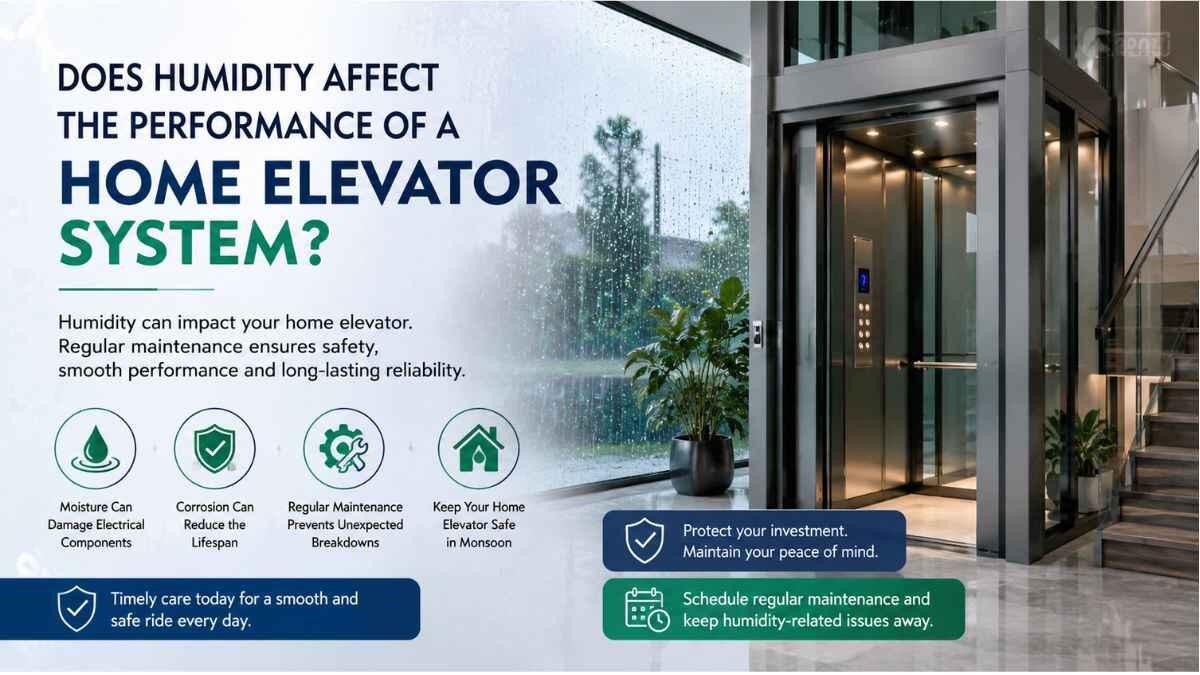
    Yes, humidity can significantly affect the performance of a home elevator system, especially during the monsoon season. Excess moisture in the air can impact electrical components, door sensors, control panels, and metal parts, leading to corrosion, reduced efficiency, and unexpected breakdowns. If water enters the lift pit or elevator shaft, it can create safety risks and increase maintenance requirements.

    Regular inspection and home elevator maintenance during the monsoon are essential to keep your home elevator operating smoothly. Technicians should check electrical wiring, lubricate moving parts, inspect door mechanisms, and ensure the lift pit remains dry. Proper ventilation and waterproofing around the elevator shaft also help minimize the effects of humidity and protect critical components.

    Homeowners using Residential elevators in Delhi should pay special attention during the rainy season, as high humidity levels and occasional water seepage are common in many areas. Scheduling professional servicing before and during the monsoon can prevent costly repairs and extend the lifespan of your elevator.

    Choosing high-quality Residential elevators in Delhi with advanced safety features, corrosion-resistant materials, and reliable electrical systems also helps improve long-term performance. With regular maintenance and timely inspections, your residential elevator will continue to provide safe, smooth, and dependable operation throughout the year, regardless of changing weather conditions.

    https://atticoelevators.com/home-elevator-maintenance-in-monsoon

    #residentialelevatorsindelhi #homeelevator #homeelevatormaintenance #residentiallift #elevatormaintenance #homelift #monsoonmaintenance #elevatorsafety #liftmaintenance #atticoelevators
    Does Humidity Affect the Performance of a Home Elevator System? Yes, humidity can significantly affect the performance of a home elevator system, especially during the monsoon season. Excess moisture in the air can impact electrical components, door sensors, control panels, and metal parts, leading to corrosion, reduced efficiency, and unexpected breakdowns. If water enters the lift pit or elevator shaft, it can create safety risks and increase maintenance requirements. Regular inspection and home elevator maintenance during the monsoon are essential to keep your home elevator operating smoothly. Technicians should check electrical wiring, lubricate moving parts, inspect door mechanisms, and ensure the lift pit remains dry. Proper ventilation and waterproofing around the elevator shaft also help minimize the effects of humidity and protect critical components. Homeowners using Residential elevators in Delhi should pay special attention during the rainy season, as high humidity levels and occasional water seepage are common in many areas. Scheduling professional servicing before and during the monsoon can prevent costly repairs and extend the lifespan of your elevator. Choosing high-quality Residential elevators in Delhi with advanced safety features, corrosion-resistant materials, and reliable electrical systems also helps improve long-term performance. With regular maintenance and timely inspections, your residential elevator will continue to provide safe, smooth, and dependable operation throughout the year, regardless of changing weather conditions. https://atticoelevators.com/home-elevator-maintenance-in-monsoon #residentialelevatorsindelhi #homeelevator #homeelevatormaintenance #residentiallift #elevatormaintenance #homelift #monsoonmaintenance #elevatorsafety #liftmaintenance #atticoelevators
    0 Comments 0 Shares 2K Views 0 Reviews
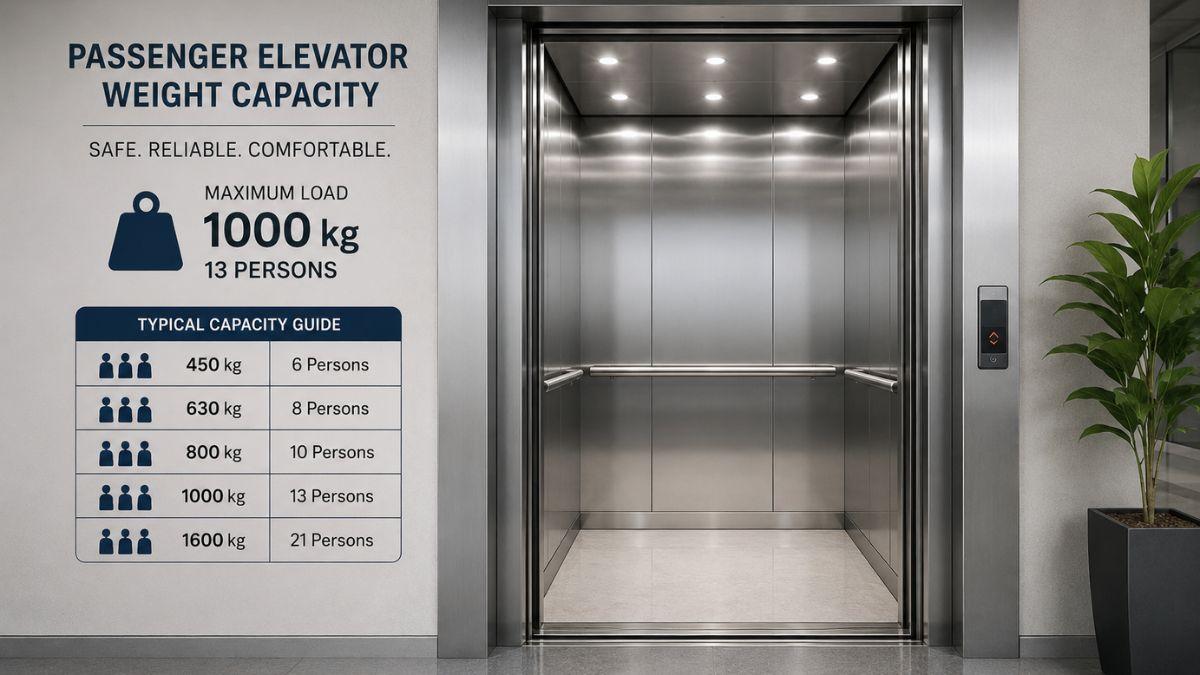
  • What Is the Weight Capacity of a Passenger Elevator?

    The weight capacity of a passenger elevator refers to the maximum load it can safely carry in one trip, including passengers and any items they carry. Most passenger elevators are designed to carry between 4 to 20 people, with capacities typically ranging from 272 kg to 1,600 kg, depending on the building type and usage.

    For residential buildings, a common capacity is around 6-8 passengers (408-544 kg), while commercial buildings and high-rises often require elevators with 13-20 passenger capacity (884-1,360 kg) to handle heavy daily traffic.

    Weight capacity is decided based on factors like:
    Building type (residential, commercial, or industrial)
    Expected footfall and peak usage
    Cabin size and shaft dimensions
    Elevator machine and motor strength

    It's important to never overload an elevator beyond its rated capacity, as this affects safety, motor life, and cable strength. Elevator manufacturers clearly display the maximum weight limit inside the cabin as per safety norms.

    Choosing the right passenger elevator capacity ensures smooth performance, safety, and long-term durability for your building.

    For expert guidance on selecting the right passenger elevator capacity for your building, Attico Elevators offers customized solutions tailored to your space and requirements.

    Need help choosing the right passenger elevator for your building? Attico Elevators provides customized passenger elevator solutions across Delhi NCR, Noida, Gurugram, and Ghaziabad - tailored to your capacity, space, and safety requirements.

    Contact Attico Elevators today for a free consultation and site assessment.

    https://atticoelevators.com/our-products/passenger-elevator

    #passengerelevator #weightcapacity #passengerlift #elevatorcapacity #liftcapacity #commercialelevator #elevatorsafety #elevatorinstallation #modernelevator #smartelevator #buildingsolutions #verticaltransportation
    What Is the Weight Capacity of a Passenger Elevator? The weight capacity of a passenger elevator refers to the maximum load it can safely carry in one trip, including passengers and any items they carry. Most passenger elevators are designed to carry between 4 to 20 people, with capacities typically ranging from 272 kg to 1,600 kg, depending on the building type and usage. For residential buildings, a common capacity is around 6-8 passengers (408-544 kg), while commercial buildings and high-rises often require elevators with 13-20 passenger capacity (884-1,360 kg) to handle heavy daily traffic. Weight capacity is decided based on factors like: 🏢 Building type (residential, commercial, or industrial) 👥 Expected footfall and peak usage 📏 Cabin size and shaft dimensions ⚙️ Elevator machine and motor strength It's important to never overload an elevator beyond its rated capacity, as this affects safety, motor life, and cable strength. Elevator manufacturers clearly display the maximum weight limit inside the cabin as per safety norms. Choosing the right passenger elevator capacity ensures smooth performance, safety, and long-term durability for your building. For expert guidance on selecting the right passenger elevator capacity for your building, Attico Elevators offers customized solutions tailored to your space and requirements. Need help choosing the right passenger elevator for your building? Attico Elevators provides customized passenger elevator solutions across Delhi NCR, Noida, Gurugram, and Ghaziabad - tailored to your capacity, space, and safety requirements. 📞 Contact Attico Elevators today for a free consultation and site assessment. https://atticoelevators.com/our-products/passenger-elevator #passengerelevator #weightcapacity #passengerlift #elevatorcapacity #liftcapacity #commercialelevator #elevatorsafety #elevatorinstallation #modernelevator #smartelevator #buildingsolutions #verticaltransportation
    0 Comments 0 Shares 2K Views 0 Reviews
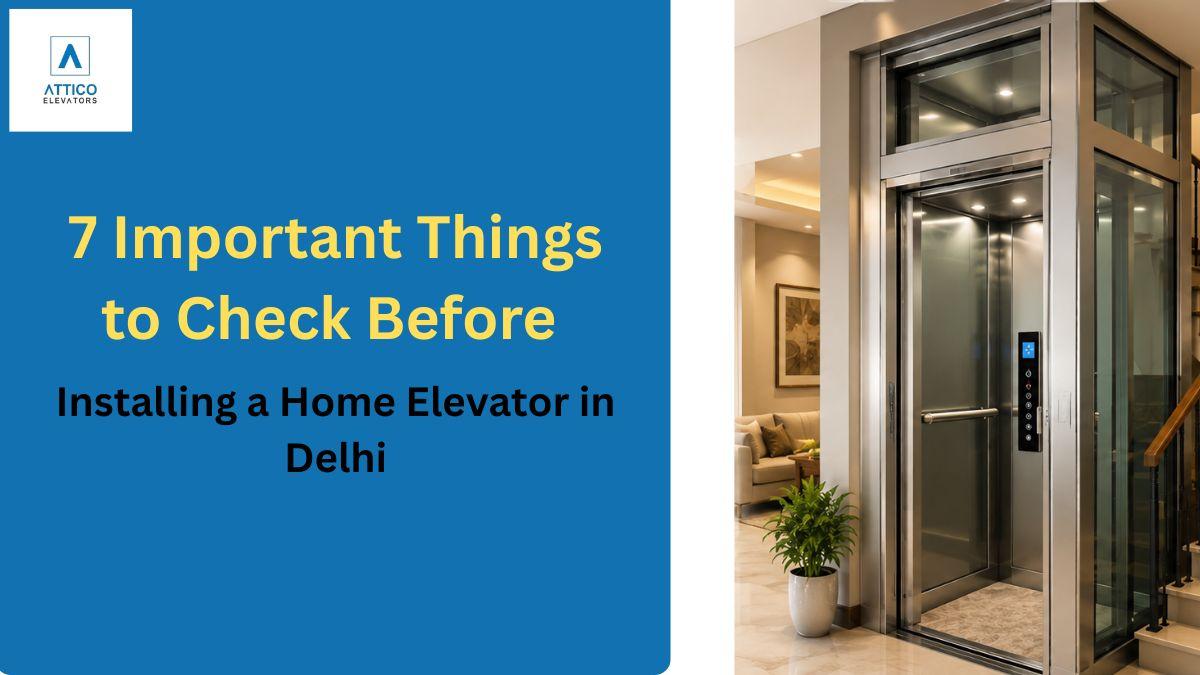
  • 7 Important Things to Check Before Installing a Home Elevator in Delhi

    Installing a home elevator is a smart investment that improves accessibility, comfort, and property value. Before making a decision, homeowners should carefully evaluate several important factors. When planning a home lift installation in Delhi, it is essential to assess the available space for the elevator shaft, cabin, and landing areas.

    You should also consider the number of floors the elevator will serve and choose the appropriate load capacity based on your family's daily requirements. Safety features such as emergency alarms, door sensors, automatic rescue devices, and overload protection are equally important for ensuring safe operation.

    A reliable power backup system is recommended to keep the elevator functional during power outages. Additionally, check the maintenance requirements and after-sales support offered by the elevator provider. Comparing installation costs, features, and long-term maintenance expenses can help you make a cost-effective choice.

    By reviewing these seven factors before Installing a Home Elevator in Delhi, you can select a safe, efficient, and durable solution that enhances convenience, accessibility, and the overall value of your home.

    https://atticoelevators.wordpress.com/2026/06/10/what-should-you-check-before-installing-a-home-elevator-in-delhi

    #homeelevator #homeelevatordelhi #residentialelevator #elevatorinstallation #homeaccessibility #luxuryhomeelevator #elevatorsafety #delhincr #homeimprovement #atticoelevators
    7 Important Things to Check Before Installing a Home Elevator in Delhi Installing a home elevator is a smart investment that improves accessibility, comfort, and property value. Before making a decision, homeowners should carefully evaluate several important factors. When planning a home lift installation in Delhi, it is essential to assess the available space for the elevator shaft, cabin, and landing areas. You should also consider the number of floors the elevator will serve and choose the appropriate load capacity based on your family's daily requirements. Safety features such as emergency alarms, door sensors, automatic rescue devices, and overload protection are equally important for ensuring safe operation. A reliable power backup system is recommended to keep the elevator functional during power outages. Additionally, check the maintenance requirements and after-sales support offered by the elevator provider. Comparing installation costs, features, and long-term maintenance expenses can help you make a cost-effective choice. By reviewing these seven factors before Installing a Home Elevator in Delhi, you can select a safe, efficient, and durable solution that enhances convenience, accessibility, and the overall value of your home. https://atticoelevators.wordpress.com/2026/06/10/what-should-you-check-before-installing-a-home-elevator-in-delhi #homeelevator #homeelevatordelhi #residentialelevator #elevatorinstallation #homeaccessibility #luxuryhomeelevator #elevatorsafety #delhincr #homeimprovement #atticoelevators
    0 Comments 0 Shares 1K Views 0 Reviews
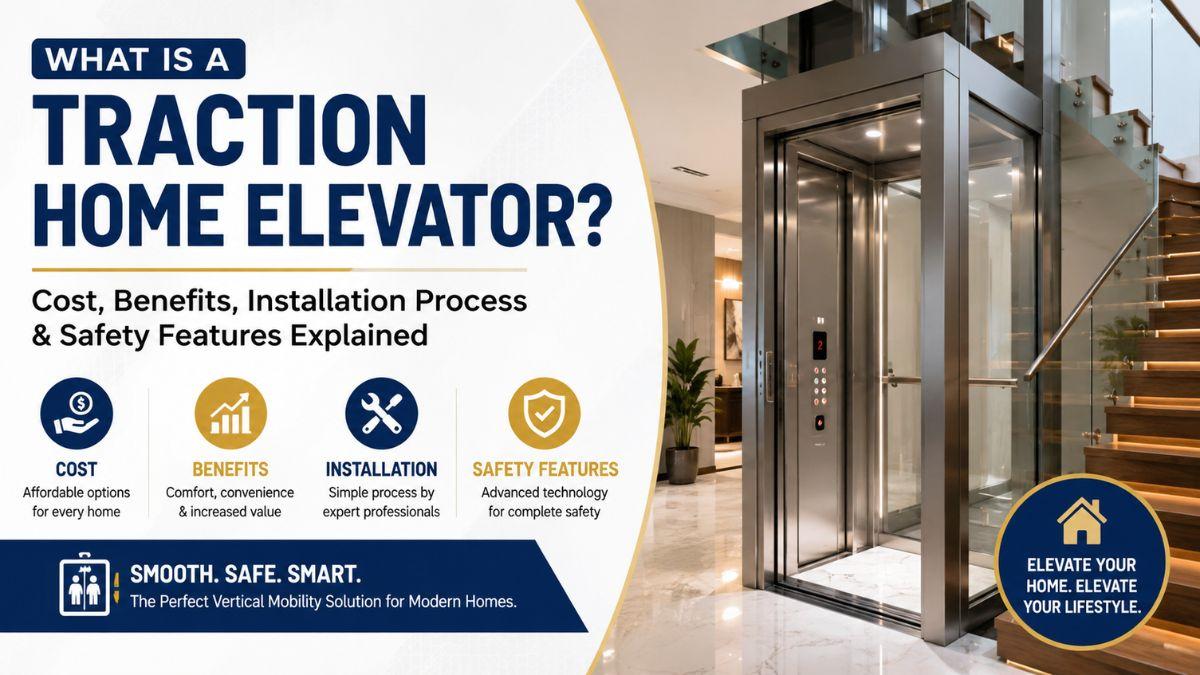
  • Traction Home Elevator: Complete Homeowner's Guide

    A traction home elevator is a modern lift system designed to provide safe, smooth, and convenient transportation between floors in residential buildings. It uses a motor, ropes, and a traction drive mechanism to move the elevator cabin efficiently. These elevators are widely used in villas, duplex homes, and multi-story residences because they offer reliable performance, energy efficiency, and a comfortable riding experience. Their modern design also makes them a popular choice for homeowners looking to improve accessibility and convenience.

    One of the biggest advantages of a traction home elevator is its smooth and quiet operation. It consumes less energy, requires minimal space, and can significantly increase the value of a property. Modern systems are equipped with advanced safety features such as emergency brakes, door safety sensors, battery backup, alarm systems, and automatic rescue devices. These features help ensure passenger safety while providing peace of mind to homeowners.

    Following a proper traction home elevator installation guide is essential before installation. Homeowners should consider space availability, structural requirements, and electrical connections to ensure a successful setup. Professional installation and regular maintenance help keep the elevator operating efficiently and safely for many years. With its combination of comfort, safety, and long-term value, a traction home elevator is an excellent investment for modern homes.

    https://attico-elevators.odoo.com/blog/our-blog-1/traction-home-elevator-complete-homeowner-s-guide-1

    #tractionhomeelevator #homeelevator #residentialelevator #tractionelevator
    #homelift #elevatorinstallation #tractionhomeelevatorinstallationguide
    #elevatorsafety #modernhomes
    Traction Home Elevator: Complete Homeowner's Guide A traction home elevator is a modern lift system designed to provide safe, smooth, and convenient transportation between floors in residential buildings. It uses a motor, ropes, and a traction drive mechanism to move the elevator cabin efficiently. These elevators are widely used in villas, duplex homes, and multi-story residences because they offer reliable performance, energy efficiency, and a comfortable riding experience. Their modern design also makes them a popular choice for homeowners looking to improve accessibility and convenience. One of the biggest advantages of a traction home elevator is its smooth and quiet operation. It consumes less energy, requires minimal space, and can significantly increase the value of a property. Modern systems are equipped with advanced safety features such as emergency brakes, door safety sensors, battery backup, alarm systems, and automatic rescue devices. These features help ensure passenger safety while providing peace of mind to homeowners. Following a proper traction home elevator installation guide is essential before installation. Homeowners should consider space availability, structural requirements, and electrical connections to ensure a successful setup. Professional installation and regular maintenance help keep the elevator operating efficiently and safely for many years. With its combination of comfort, safety, and long-term value, a traction home elevator is an excellent investment for modern homes. https://attico-elevators.odoo.com/blog/our-blog-1/traction-home-elevator-complete-homeowner-s-guide-1 #tractionhomeelevator #homeelevator #residentialelevator #tractionelevator #homelift #elevatorinstallation #tractionhomeelevatorinstallationguide #elevatorsafety #modernhomes
    0 Comments 0 Shares 2K Views 0 Reviews
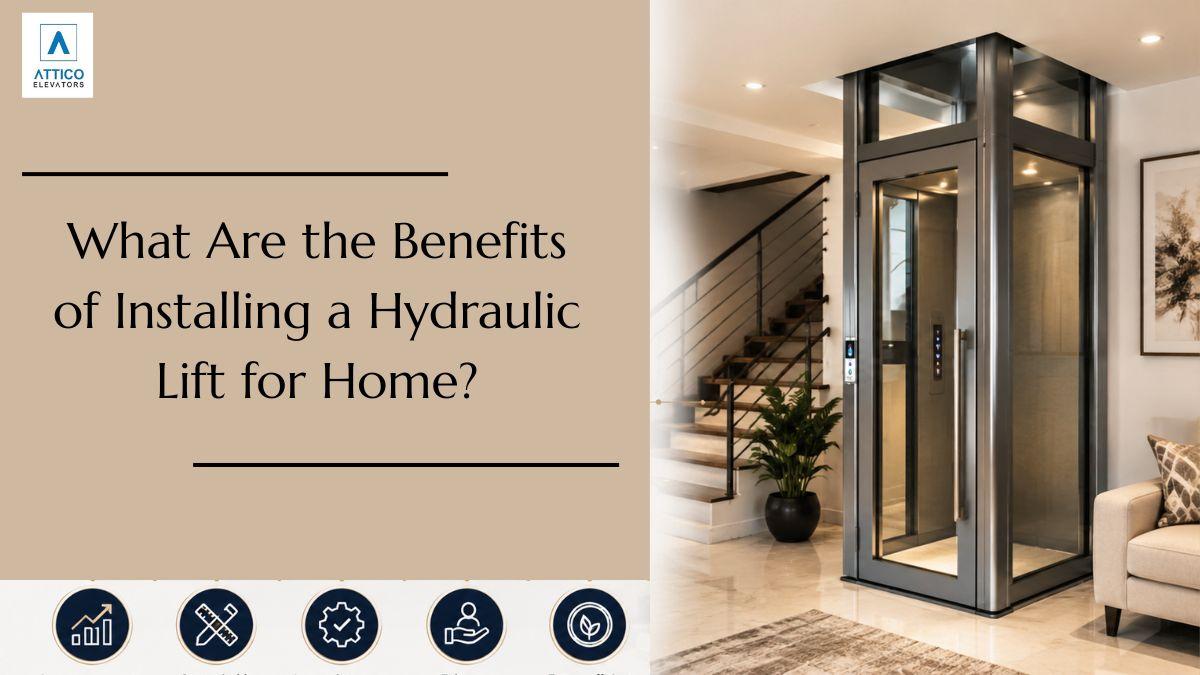
  • What Are the Benefits of Installing a Hydraulic Lift for Home?

    Installing a Hydraulic Lift For Home is an excellent way to improve convenience, accessibility, and comfort in daily life. These lifts are becoming increasingly popular in modern residences because they make movement between floors effortless for all family members. Whether for seniors, children, or individuals with mobility challenges, a home lift provides safe and easy access throughout the house while reducing the physical strain of climbing stairs multiple times a day.

    One of the biggest advantages of a hydraulic home lift is its smooth and quiet operation. It requires minimal structural modifications, making it suitable for both new and existing homes. Modern hydraulic lifts are equipped with advanced safety features such as emergency alarms, backup power systems, automatic door locks, and emergency lowering functions, ensuring a secure and reliable experience. Additionally, homeowners can customize the lift's design, cabin finish, and size to complement their home's interior and available space.

    Beyond convenience, a hydraulic home lift is a long-term investment that enhances property value and future-proofs the home. It offers low maintenance requirements, excellent durability, and greater independence for residents. By combining functionality, safety, and modern aesthetics, a Hydraulic Lift For Home adds both practicality and luxury, making everyday living more comfortable and enjoyable for years to come.

    https://atticoelevators.com/our-products/hydraulic-lift-for-home

    #hydraulicliftforhome #homelift #residentiallift #homeelevator #liftinstallation #accessibilitysolutions #modernhomes #elevatorsafety #verticalmobility #atticoelevators
    What Are the Benefits of Installing a Hydraulic Lift for Home? Installing a Hydraulic Lift For Home is an excellent way to improve convenience, accessibility, and comfort in daily life. These lifts are becoming increasingly popular in modern residences because they make movement between floors effortless for all family members. Whether for seniors, children, or individuals with mobility challenges, a home lift provides safe and easy access throughout the house while reducing the physical strain of climbing stairs multiple times a day. One of the biggest advantages of a hydraulic home lift is its smooth and quiet operation. It requires minimal structural modifications, making it suitable for both new and existing homes. Modern hydraulic lifts are equipped with advanced safety features such as emergency alarms, backup power systems, automatic door locks, and emergency lowering functions, ensuring a secure and reliable experience. Additionally, homeowners can customize the lift's design, cabin finish, and size to complement their home's interior and available space. Beyond convenience, a hydraulic home lift is a long-term investment that enhances property value and future-proofs the home. It offers low maintenance requirements, excellent durability, and greater independence for residents. By combining functionality, safety, and modern aesthetics, a Hydraulic Lift For Home adds both practicality and luxury, making everyday living more comfortable and enjoyable for years to come. https://atticoelevators.com/our-products/hydraulic-lift-for-home #hydraulicliftforhome #homelift #residentiallift #homeelevator #liftinstallation #accessibilitysolutions #modernhomes #elevatorsafety #verticalmobility #atticoelevators
    0 Comments 0 Shares 2K Views 0 Reviews
  • Why Is Elevator Maintenance Essential for Long-Term Performance?

    Regular elevator maintenance is essential to keep your elevator operating safely, efficiently, and reliably for many years. Like any mechanical system, elevators experience wear and tear over time. Routine inspections and servicing help identify minor issues before they become costly repairs.

    Key Benefits of Elevator Maintenance

    Improves Safety: Regular maintenance ensures that safety features, brakes, doors, and control systems function properly, reducing the risk of accidents.

    Prevents Unexpected Breakdowns: Scheduled inspections help technicians detect worn components early, minimizing sudden elevator failures and inconvenience.

    Extends Equipment Life: Proper lubrication, adjustments, and part replacements help elevators perform efficiently and last longer.

    Reduces Repair Costs: Addressing small issues early is usually much more affordable than repairing major system failures.

    Enhances Ride Comfort: Well-maintained elevators provide smoother operation, quieter performance, and improved passenger experience.

    Maintains Energy Efficiency: Clean and properly functioning components help reduce unnecessary energy consumption.

    Conclusion
    Elevator maintenance is not just about fixing problems; it is about preventing them. A regular maintenance schedule helps ensure safety, reliability, and long-term performance while protecting your investment. Whether it is a residential or commercial elevator, routine servicing is the key to dependable operation year after year.

    https://atticoelevator.wixsite.com/blog/post/why-is-elevator-maintenance-essential-for-long-term-performance

    #elevatormaintenance #elevatorservice #homeelevators #residentialelevators #elevatorsafety #elevatorrepair #liftmaintenance #elevatorinspection #modernhomeelevators #elevatormanufacturers
    Why Is Elevator Maintenance Essential for Long-Term Performance? Regular elevator maintenance is essential to keep your elevator operating safely, efficiently, and reliably for many years. Like any mechanical system, elevators experience wear and tear over time. Routine inspections and servicing help identify minor issues before they become costly repairs. Key Benefits of Elevator Maintenance Improves Safety: Regular maintenance ensures that safety features, brakes, doors, and control systems function properly, reducing the risk of accidents. Prevents Unexpected Breakdowns: Scheduled inspections help technicians detect worn components early, minimizing sudden elevator failures and inconvenience. Extends Equipment Life: Proper lubrication, adjustments, and part replacements help elevators perform efficiently and last longer. Reduces Repair Costs: Addressing small issues early is usually much more affordable than repairing major system failures. Enhances Ride Comfort: Well-maintained elevators provide smoother operation, quieter performance, and improved passenger experience. Maintains Energy Efficiency: Clean and properly functioning components help reduce unnecessary energy consumption. Conclusion Elevator maintenance is not just about fixing problems; it is about preventing them. A regular maintenance schedule helps ensure safety, reliability, and long-term performance while protecting your investment. Whether it is a residential or commercial elevator, routine servicing is the key to dependable operation year after year. https://atticoelevator.wixsite.com/blog/post/why-is-elevator-maintenance-essential-for-long-term-performance #elevatormaintenance #elevatorservice #homeelevators #residentialelevators #elevatorsafety #elevatorrepair #liftmaintenance #elevatorinspection #modernhomeelevators #elevatormanufacturers
    0 Comments 0 Shares 2K Views 0 Reviews
  • What questions should you ask an elevator company about their service response time before signing?

    Most people negotiate price and cabin specifications when buying a home elevator. Very few negotiate or even ask about service responsiveness until they are stuck between floors at 10pm and the service line is unmanned.

    Here are the exact questions you should ask any elevator company before signing, and the answers that separate the best elevator company in Delhi from the rest:

    1. What is your guaranteed response time for breakdown calls?- Anything above 8 hours for Delhi NCR is not acceptable. Attico commits to a 4-hour response window.

    2. Do you have a 24/7 emergency line or does it go to voicemail after hours?'- Ask them to call the number with you present. If it goes to voicemail on a weekday afternoon, it will go to voicemail at 11 pm.

    3. How many certified technicians do you have based in Delhi NCR?- A company with one technician servicing 200 elevators cannot provide genuine responsiveness.

    4. What is included in your AMC versus chargeable?- Clarify: Are spare parts covered? Labour for emergency calls? Annual safety inspections?

    5. Can I speak with three existing AMC clients as references?- Any company confident in their service will provide this immediately.

    6. What is your parts availability for my specific model?- If parts are imported, breakdown repair can take weeks. Confirm Indian inventory.

    Attico Elevators' service infrastructure for residential elevators in Delhi NCR includes a dedicated team of 30+ certified technicians across Delhi, Gurugram, Noida, and Faridabad- with a parts warehouse stocked for all models they install. Their response commitment is documented in the AMC agreement, not just verbal.

    https://atticoelevators.com/residential-elevators-in-delhi

    #elevatorservice #homeelevator #elevatormaintenance #elevatorsafety #residentialelevator #luxuryelevator #elevatorcompany #homelift
    What questions should you ask an elevator company about their service response time before signing? Most people negotiate price and cabin specifications when buying a home elevator. Very few negotiate or even ask about service responsiveness until they are stuck between floors at 10pm and the service line is unmanned. Here are the exact questions you should ask any elevator company before signing, and the answers that separate the best elevator company in Delhi from the rest: 1. What is your guaranteed response time for breakdown calls?- Anything above 8 hours for Delhi NCR is not acceptable. Attico commits to a 4-hour response window. 2. Do you have a 24/7 emergency line or does it go to voicemail after hours?'- Ask them to call the number with you present. If it goes to voicemail on a weekday afternoon, it will go to voicemail at 11 pm. 3. How many certified technicians do you have based in Delhi NCR?- A company with one technician servicing 200 elevators cannot provide genuine responsiveness. 4. What is included in your AMC versus chargeable?- Clarify: Are spare parts covered? Labour for emergency calls? Annual safety inspections? 5. Can I speak with three existing AMC clients as references?- Any company confident in their service will provide this immediately. 6. What is your parts availability for my specific model?- If parts are imported, breakdown repair can take weeks. Confirm Indian inventory. Attico Elevators' service infrastructure for residential elevators in Delhi NCR includes a dedicated team of 30+ certified technicians across Delhi, Gurugram, Noida, and Faridabad- with a parts warehouse stocked for all models they install. Their response commitment is documented in the AMC agreement, not just verbal. https://atticoelevators.com/residential-elevators-in-delhi #elevatorservice #homeelevator #elevatormaintenance #elevatorsafety #residentialelevator #luxuryelevator #elevatorcompany #homelift
    0 Comments 0 Shares 1K Views 0 Reviews
More Results
BuzzingAbout https://www.buzzingabout.com