


How Much Pit Depth Is Required for a Residential Elevator?
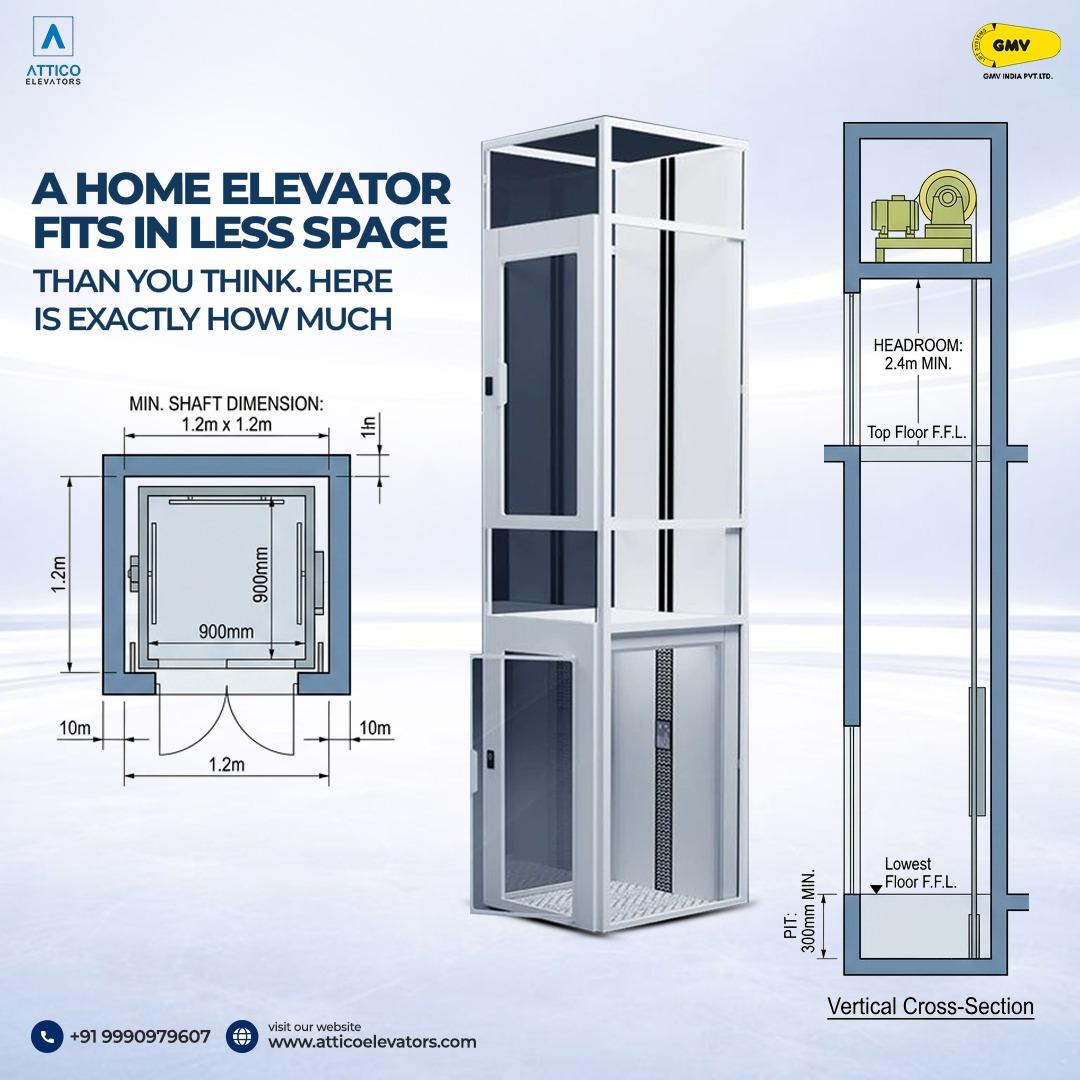
Pit depth is an important part of residential elevator installation because it directly affects the safety, comfort, and performance of the lift. The pit is the recessed area below the elevator floor at the lowest level, providing space for essential components and ensuring the elevator stops smoothly. In most homes, the recommended pit depth ranges from 100 mm to 300 mm, depending on the elevator model, travel height, and manufacturer specifications. Some modern residential elevators also feature low-pit or pitless designs, making them a practical solution for existing homes where deep excavation is not possible.
Before installation, it is essential to conduct a professional site inspection. Experts evaluate the available space, building structure, shaft dimensions, and safety requirements to determine the ideal pit depth for your home. Choosing the correct pit depth helps reduce future maintenance issues, improves ride quality, and extends the lifespan of the elevator.
Key Points to Remember
Standard pit depth is typically 100 mm to 300 mm.
Low-pit and pitless elevators are available for space-limited homes.
Proper pit depth improves safety and ride comfort.
A professional site survey ensures accurate installation.
Always follow the manufacturer's recommendations and local building codes.
Planning the right pit depth from the beginning ensures your home elevator operates safely, efficiently, and reliably for years to come.
Read Also: Residential Elevator Space Requirements Explained
FAQs
1. What is the standard pit depth for a residential elevator?
The standard pit depth for most residential elevators ranges from 100 mm to 300 mm. However, the exact requirement depends on the elevator model, travel height, and manufacturer specifications.
2. Can a home elevator be installed without a pit?
Yes. Many modern home elevators are available with low-pit or pitless designs, making them ideal for existing homes where deep excavation is not possible. These models require minimal structural changes while maintaining safety and performance.
3. Why is the correct pit depth important for a home elevator?
The correct pit depth ensures smooth elevator operation, improves passenger safety, protects essential elevator components, and provides adequate space for maintenance. Proper pit planning also helps avoid costly modifications during or after installation.
https://atticoelevators.wordpress.com/2026/08/04/home-elevator-space-requirements-minimum-shaft-size-pit-depth-headroom-explained
#homeelevator #residentialelevator #pitdepth #homelift #elevatorinstallation #elevatorsafety #residentiallift #modernhomes #homeimprovement #atticoelevators
Pit depth is an important part of residential elevator installation because it directly affects the safety, comfort, and performance of the lift. The pit is the recessed area below the elevator floor at the lowest level, providing space for essential components and ensuring the elevator stops smoothly. In most homes, the recommended pit depth ranges from 100 mm to 300 mm, depending on the elevator model, travel height, and manufacturer specifications. Some modern residential elevators also feature low-pit or pitless designs, making them a practical solution for existing homes where deep excavation is not possible.
Before installation, it is essential to conduct a professional site inspection. Experts evaluate the available space, building structure, shaft dimensions, and safety requirements to determine the ideal pit depth for your home. Choosing the correct pit depth helps reduce future maintenance issues, improves ride quality, and extends the lifespan of the elevator.
Key Points to Remember
Standard pit depth is typically 100 mm to 300 mm.
Low-pit and pitless elevators are available for space-limited homes.
Proper pit depth improves safety and ride comfort.
A professional site survey ensures accurate installation.
Always follow the manufacturer's recommendations and local building codes.
Planning the right pit depth from the beginning ensures your home elevator operates safely, efficiently, and reliably for years to come.
Read Also: Residential Elevator Space Requirements Explained
FAQs
1. What is the standard pit depth for a residential elevator?
The standard pit depth for most residential elevators ranges from 100 mm to 300 mm. However, the exact requirement depends on the elevator model, travel height, and manufacturer specifications.
2. Can a home elevator be installed without a pit?
Yes. Many modern home elevators are available with low-pit or pitless designs, making them ideal for existing homes where deep excavation is not possible. These models require minimal structural changes while maintaining safety and performance.
3. Why is the correct pit depth important for a home elevator?
The correct pit depth ensures smooth elevator operation, improves passenger safety, protects essential elevator components, and provides adequate space for maintenance. Proper pit planning also helps avoid costly modifications during or after installation.
https://atticoelevators.wordpress.com/2026/08/04/home-elevator-space-requirements-minimum-shaft-size-pit-depth-headroom-explained
#homeelevator #residentialelevator #pitdepth #homelift #elevatorinstallation #elevatorsafety #residentiallift #modernhomes #homeimprovement #atticoelevators
How Much Pit Depth Is Required for a Residential Elevator?
Pit depth is an important part of residential elevator installation because it directly affects the safety, comfort, and performance of the lift. The pit is the recessed area below the elevator floor at the lowest level, providing space for essential components and ensuring the elevator stops smoothly. In most homes, the recommended pit depth ranges from 100 mm to 300 mm, depending on the elevator model, travel height, and manufacturer specifications. Some modern residential elevators also feature low-pit or pitless designs, making them a practical solution for existing homes where deep excavation is not possible.
Before installation, it is essential to conduct a professional site inspection. Experts evaluate the available space, building structure, shaft dimensions, and safety requirements to determine the ideal pit depth for your home. Choosing the correct pit depth helps reduce future maintenance issues, improves ride quality, and extends the lifespan of the elevator.
Key Points to Remember
Standard pit depth is typically 100 mm to 300 mm.
Low-pit and pitless elevators are available for space-limited homes.
Proper pit depth improves safety and ride comfort.
A professional site survey ensures accurate installation.
Always follow the manufacturer's recommendations and local building codes.
Planning the right pit depth from the beginning ensures your home elevator operates safely, efficiently, and reliably for years to come.
📖 Read Also: Residential Elevator Space Requirements Explained
FAQs
1. What is the standard pit depth for a residential elevator?
The standard pit depth for most residential elevators ranges from 100 mm to 300 mm. However, the exact requirement depends on the elevator model, travel height, and manufacturer specifications.
2. Can a home elevator be installed without a pit?
Yes. Many modern home elevators are available with low-pit or pitless designs, making them ideal for existing homes where deep excavation is not possible. These models require minimal structural changes while maintaining safety and performance.
3. Why is the correct pit depth important for a home elevator?
The correct pit depth ensures smooth elevator operation, improves passenger safety, protects essential elevator components, and provides adequate space for maintenance. Proper pit planning also helps avoid costly modifications during or after installation.
https://atticoelevators.wordpress.com/2026/08/04/home-elevator-space-requirements-minimum-shaft-size-pit-depth-headroom-explained
#homeelevator #residentialelevator #pitdepth #homelift #elevatorinstallation #elevatorsafety #residentiallift #modernhomes #homeimprovement #atticoelevators
0 Commentaires
0 Parts
57 Vue
0 Aperçu

 English
 Arabic
 Spanish
 Portuguese
 Deutsch
 Turkish
 Dutch
Dutch
 Italiano
 Russian
 Romaian
 Portuguese (Brazil)
 Greek
Greek
