


Water Damage Restoration Service Stops Mold and Saves Costs
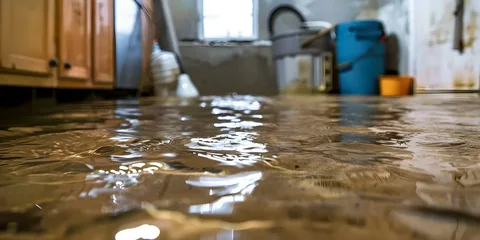
Sarah noticed a damp smell near her hallway closet on an ordinary Tuesday morning. She opened the door and found the carpet soaked through, the water tracing back to a slow leak behind the washing machine. Within a few hours, the smell had spread to two rooms, and the baseboards had already started to swell.
This is how most water problems begin quietly, then all at once. A pipe loosens, a roof seam fails, or a washing machine hose cracks, and water finds its way into places nobody can see. A water damage restoration service exists for exactly this moment, stepping in before a small leak turns into a structural nightmare.
Why Water Spreads Faster Than Most People Expect
Water does not stay where it lands. It moves through drywall, seeps under baseboards, and climbs up wood flooring through a process called wicking. Within a few hours, moisture can travel several feet from the original source, hiding behind walls where nobody thinks to look.
Homeowners often assume that mopping up visible water solves the problem. It rarely does. The surface may look dry within a day, but the subfloor, insulation, and wall cavities can stay wet for weeks without proper equipment. That trapped moisture becomes the starting point for much bigger issues.
What Happens in the First 24 Hours
Timing changes everything once water enters a home. Within the first day, a water damage restoration service typically brings in industrial pumps, air movers, and dehumidifiers to pull water out of carpets, flooring, and wall cavities before it settles in.
Technicians check moisture levels with meters rather than guessing based on appearance. This step matters because dry-looking surfaces can still hold enough moisture to feed mold growth for days.
- Pumps or wet vacuums extract standing water first
- Air movers create strong airflow across wet surfaces
- Dehumidifiers pull excess moisture out of the air
- Moisture meters track drying progress room by room
The Hidden Danger: Mold Growth
Mold spores exist almost everywhere, waiting for the right conditions. Damp drywall, wet insulation, and stagnant air give them exactly what they need. Growth can begin within one to two days, often in spots nobody checks — behind cabinets, under flooring, or inside wall cavities.
Skipping professional help and waiting several days without a water damage restoration service gives mold enough time to establish colonies that spread through ductwork and wall framing. Once that happens, cleanup shifts from a simple drying job to a demolition and rebuild project.
Signs Mold Has Already Started
- A musty smell that returns even after airing out the room
- Dark spots or discoloration along baseboards
- Paint that bubbles or peels near the affected area
- Family members experiencing unexplained coughing or sinus irritation indoors
The Restoration Process, Step by Step
A structured water damage restoration service generally follows five stages, and each one builds on the last. Skipping a step usually means dealing with the same problem again later.
Inspection and Moisture Mapping
Technicians walk through the property with moisture meters and thermal cameras, marking every wet area, even the ones hidden behind walls or under flooring. This map guides the entire restoration job from start to finish.
Extraction and Drying
Pumps remove standing water first. Then air movers and dehumidifiers run continuously, sometimes for several days, until moisture readings return to normal levels throughout the affected area.
Cleaning, Sanitizing, and Repair
Once everything dries out, crews clean and sanitize surfaces to remove bacteria and lingering odor sources. Crews then replace damaged drywall, flooring, or insulation, restoring the space to its original condition.
Why DIY Cleanup Often Falls Short
Fans and open windows can dry visible surfaces, but they rarely reach water trapped inside walls or under subflooring. Homeowners who rely on this approach often assume the problem is solved, only to discover soft flooring or a musty smell weeks later.
That gap between what looks dry and what actually is dry explains why insurance adjusters and contractors both point homeowners toward a water damage restoration service rather than a DIY fix. Professional drying equipment reaches moisture that towels and box fans simply cannot.
Comparing Early Action to Delayed Repairs
Addressing water intrusion within the first day or two usually limits damage to flooring, drywall, and paint. Waiting even a week can turn that same job into a bigger project involving subfloor replacement, structural drying, and mold remediation — work that takes longer and costs more at every stage.
This pattern shows up again and again in older homes with hidden leaks. A slow drip under a sink, ignored for months, quietly rots cabinet framing and subflooring long before anyone notices a smell strong enough to investigate.
Choosing the Right Team for the Job
Not every cleanup crew brings the same training or equipment. Homeowners searching for a dependable water damage restoration service should look past price alone and check a few practical details first.
- IICRC certification, which confirms proper training in water damage protocols
- A genuine 24-hour emergency response line, not just a voicemail
- Direct experience documenting damage for insurance claims
- Clear communication about drying timelines and expected costs
Frequently Asked Questions
How quickly should I call for help after a leak? Call within the first few hours if possible. Mold risk increases significantly after 24 to 48 hours of standing moisture, so early action limits both damage and cost.
Can I stay in my home during the restoration process? In most cases, yes. Larger jobs involving sewage backups or extensive mold growth may require temporary relocation, but standard water extraction and drying rarely force homeowners out.
Will my insurance cover the cost of restoration? Coverage depends on the policy and the source of the water. Insurance often covers sudden pipe bursts, but many policies exclude gradual leaks caused by neglect. Ask the provider directly and keep documentation from the restoration crew.
How long does the drying process usually take? Most rooms dry within three to five days with proper equipment running continuously. Larger areas or dense materials like hardwood flooring can take longer.
Conclusion
Water damage rarely announces itself loudly. It starts small, hides behind walls, and grows quietly until someone notices a smell or a soft spot in the floor. Acting fast, checking credentials, and trusting trained professionals over guesswork makes the difference between a manageable repair and a much larger renovation project down the road.

 English
 Arabic
 French
 Spanish
 Portuguese
 Turkish
 Dutch
Dutch
 Italiano
 Russian
 Romaian
 Portuguese (Brazil)
 Greek
Greek
