Introduction
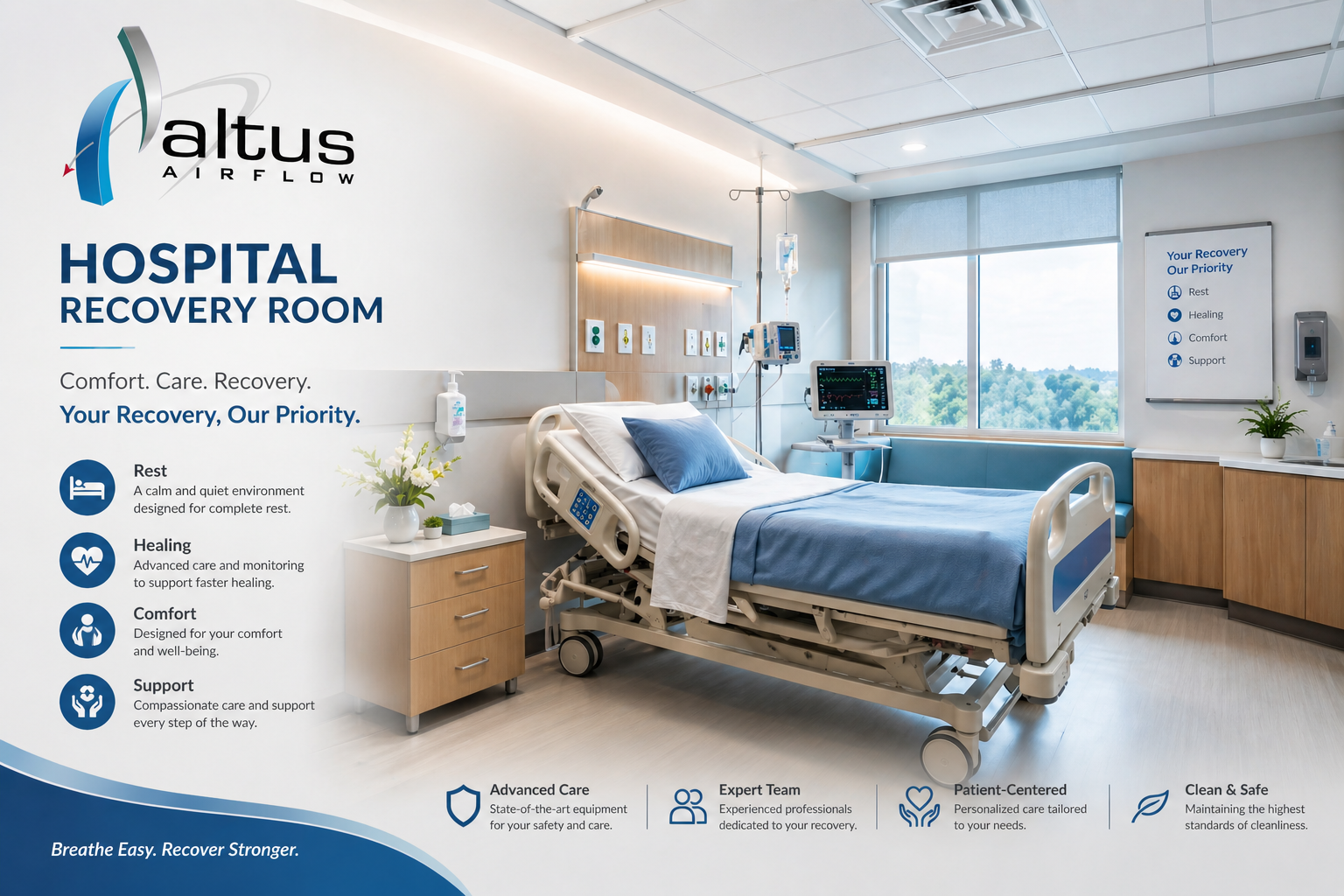
A Hospital Recovery Room plays an important role in post-operative care by providing a controlled environment where patients can be observed as they recover from anesthesia and procedures. It allows healthcare professionals to monitor vital functions, identify changes early, manage immediate discomfort, and determine when a patient is ready for further care. Standard post-anesthesia guidance recommends assessment of breathing, oxygen saturation, pulse, blood pressure, mental status, temperature, pain, nausea, hydration, and other relevant recovery factors.
Continuous Patient Monitoring
One of the main functions of a recovery room is close observation after surgery. Patients may still experience the effects of anesthesia, so trained healthcare professionals monitor their condition and respond when changes occur. Appropriate monitoring equipment can help assess oxygen saturation, heart rate, blood pressure, respiratory status, and other important parameters. Regular observation helps the care team understand whether the patient is progressing normally or requires additional attention.
Emergency Preparedness
A Hospital Recovery Room should provide convenient access to essential emergency equipment and medical support. Clear pathways, suitable electrical connections, oxygen and suction provisions, patient beds, monitoring systems, and resuscitation equipment can help staff respond efficiently when required. The exact facilities should be determined according to the hospital's clinical services, procedures performed, and patient requirements.
Pain and Comfort Management
Patient comfort is another important part of recovery. Healthcare professionals can assess pain and address symptoms such as nausea, vomiting, chills, or discomfort when appropriate. Effective post-operative pain management can support patient comfort during the transition from anesthesia. Recovery staff can also monitor temperature and hydration and provide suitable interventions based on the patient's clinical condition.
Organized Workflow and Staff Access
A properly planned Hospital Recovery Room allows nurses and other healthcare professionals to move easily between patients, equipment, storage areas, and support facilities. Recovery beds should be positioned to provide sufficient working space and visibility. Organized layouts can reduce unnecessary movement and help staff maintain efficient observation. Clearly arranged equipment also makes commonly required supplies easier to locate during routine care or urgent situations.
Hygiene and Patient Privacy
Cleanable surfaces, organized storage, appropriate waste-management arrangements, and regular maintenance contribute to a hygienic care environment. Privacy should also be considered through suitable curtains or partitions while maintaining necessary staff visibility. Comfortable lighting, temperature control, and reduced unnecessary noise can further improve the recovery environment. These design considerations help create a more organized space for patients who may be tired, disoriented, or uncomfortable after a procedure.
Safe Transfer and Discharge
Patients should not simply leave the recovery area based on a fixed amount of time. Appropriate discharge criteria are used to determine whether the patient has recovered sufficiently and is no longer at increased risk from post-anesthetic effects. Depending on the patient's condition, the next step may be transfer to a ward, intensive-care area, or discharge with appropriate instructions.
Importance of Proper Recovery Room Design
The physical design of a Hospital Recovery Room can directly influence how efficiently healthcare professionals perform their responsibilities. Adequate space between beds, accessible medical services, suitable lighting, storage, and clear circulation routes can support smoother workflow. The room should also be planned according to patient volume and the types of procedures performed. A flexible design can make it easier for hospitals to adapt equipment and infrastructure as clinical requirements change.
Conclusion
A well-designed Hospital Recovery Room supports patient care by combining monitoring, safety, emergency readiness, comfort, hygiene, privacy, and efficient staff workflow. With suitable equipment, trained professionals, organized infrastructure, and clearly defined recovery procedures, the room provides an important transition between surgery and the patient's next stage of care. Careful planning can also help hospitals create a recovery environment that is practical for healthcare staff while remaining safe and supportive for patients.
FAQs
1. What is the main purpose of a Hospital Recovery Room?
It provides close observation and support while patients recover from anesthesia and the immediate effects of surgery or procedures.
2. What should be monitored in a recovery room?
Depending on clinical needs, staff may monitor breathing, oxygen saturation, pulse, blood pressure, mental status, temperature, pain, nausea, and other relevant conditions.
3. Why is emergency equipment important?
Immediate access to appropriate emergency equipment allows trained healthcare professionals to respond quickly if a patient's condition changes.
4. How does the recovery room improve patient comfort?
It provides a controlled environment where staff can assess and manage pain, nausea, temperature, and other common post-operative concerns.
5. When can a patient leave the recovery room?
Transfer or discharge should follow appropriate clinical criteria confirming that the patient has recovered sufficiently and can safely proceed to the next stage of care.
Read Our Previous Blog----------->What Should You Look for in a Patient Recovery Room?




 English
 Arabic
 French
 Spanish
 Portuguese
 Deutsch
 Turkish
 Dutch
Dutch
 Italiano
 Russian
 Romaian
 Greek
Greek
