


What Is Finasteride and How Does It Work?
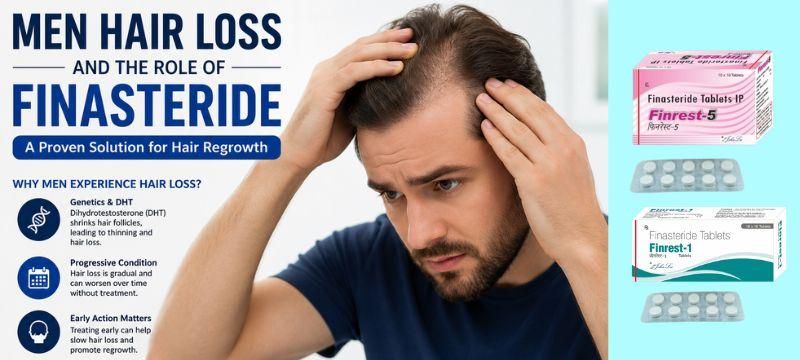
Finasteride is a prescription medicine commonly used to treat male pattern hair loss and, at a different strength, symptoms of an enlarged prostate. It belongs to a group of medicines called 5-alpha-reductase inhibitors. Finasteride works by reducing the amount of dihydrotestosterone (DHT), a hormone involved in the development of male pattern hair loss.
For people researching Finasteride 1 or Finasteride 5, it is important to understand that these strengths are generally used for different medical purposes. Finasteride 1 mg is commonly associated with male pattern hair loss, while finasteride 5 mg is primarily used for benign prostatic hyperplasia (BPH).
What Is Finasteride?
Finasteride is a medicine that blocks an enzyme called 5-alpha-reductase. This enzyme converts testosterone into DHT.
DHT plays an important role in prostate growth and is also involved in androgenetic alopecia, commonly known as male pattern hair loss. In genetically susceptible men, DHT can cause hair follicles on the scalp to gradually become smaller. This process is called follicular miniaturization.
As the follicles become smaller, hairs may grow thinner, shorter, and less noticeable over time.
By lowering DHT levels, finasteride can help slow this process and, in some men, support the growth of thicker scalp hair.
How Does Finasteride Work?
The mechanism is relatively straightforward:
Testosterone → 5-alpha-reductase → DHT
Finasteride inhibits 5-alpha-reductase, which reduces the conversion of testosterone into DHT.
Lower DHT levels can reduce the hormonal effect on susceptible hair follicles. With continued treatment, this may help slow further hair loss and improve hair growth in some men.
Finasteride does not work by immediately stimulating new hair growth. Instead, its main benefit is reducing the hormonal process that contributes to male pattern hair loss.
Finasteride 1 mg for Hair Loss
Finasteride 1 mg is commonly prescribed for men with male pattern hair loss. It is generally taken once daily, according to a healthcare professional's instructions.
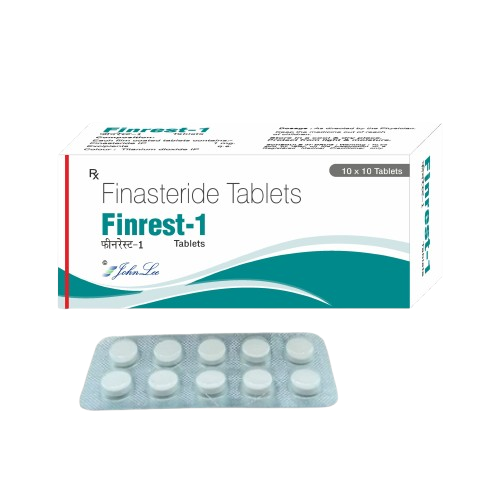
The goal of treatment is to slow hair loss and potentially improve hair density. Results are gradual, so it may take several months before noticeable changes occur.
It is also important to understand that stopping treatment can allow the underlying hair-loss process to continue again.
What Is Finasteride 5 mg Used For?
Finasteride 5 mg is primarily used to treat benign prostatic hyperplasia (BPH), a condition in which the prostate becomes enlarged.
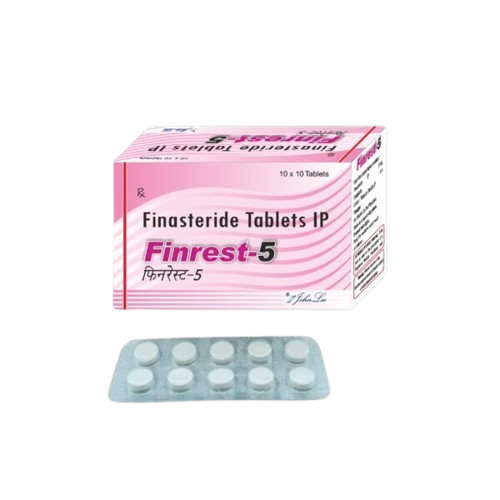
By reducing DHT, finasteride can gradually decrease prostate size and may improve urinary symptoms associated with BPH.
Finasteride 5 mg should not simply be substituted for the 1 mg strength for hair loss. The appropriate strength depends on the condition being treated and should be determined by a qualified healthcare professional.
Finasteride vs. Minoxidil Pills
Finasteride and minoxidil work in different ways.
Finasteride primarily works by reducing DHT, which addresses an important hormonal pathway involved in male pattern hair loss.
Minoxidil works through a different mechanism and can promote hair growth or help maintain existing hair in certain situations. Minoxidil pills, also called oral minoxidil, are sometimes used off-label for hair loss under medical supervision. Oral minoxidil can affect blood pressure and may cause cardiovascular or fluid-related side effects, so it should not be started without appropriate medical advice.
The choice between treatments depends on the person's medical history, type of hair loss, other medicines, and professional assessment.
How Long Does Finasteride Take to Work?
Finasteride does not usually produce instant results. Hair growth is a slow biological process, and improvements may take several months of consistent treatment.
Some people notice that hair shedding stabilizes before they see obvious new growth. The response varies from person to person.
A healthcare professional can help determine whether continuing treatment is appropriate if changes are not noticeable after several months.
What Are the Possible Side Effects?
Like all medicines, finasteride can cause side effects, although not everyone experiences them.
Reported side effects can include:
- Decreased sexual desire
- Erectile difficulties
- Changes in ejaculation
- Reduced semen volume
- Breast tenderness or enlargement
- Mood changes in some individuals
Anyone experiencing persistent, troublesome, or concerning symptoms should speak with a healthcare professional.
Finasteride can also affect prostate-specific antigen (PSA) levels. People taking finasteride should tell their healthcare provider before having PSA testing so the result can be interpreted appropriately.
Who Should Not Take Finasteride?
Finasteride is not appropriate for everyone. It is generally intended for adult men for its approved indications.
Women who are pregnant or may become pregnant should not handle crushed or broken finasteride tablets because exposure to the active ingredient can pose a risk to a developing male fetus.
Children should not use finasteride unless specifically directed by a qualified healthcare professional.
Before taking finasteride, discuss your medical history and current medicines with your healthcare provider.
Finasteride 1 vs. Finasteride 5: What Is the Difference?
|
Feature |
Finasteride 1 mg |
Finasteride 5 mg |
|
Common use |
Male pattern hair loss |
Enlarged prostate/BPH |
|
Drug class |
5-alpha-reductase inhibitor |
5-alpha-reductase inhibitor |
|
Main hormonal effect |
Lowers DHT |
Lowers DHT |
|
Typical treatment population |
Adult men with androgenetic alopecia |
Adult men with BPH |
|
Should you choose the strength yourself? |
No |
No |
The strength should be selected according to the diagnosed condition and professional medical advice.
Finasteride and Long-Term Hair Management
Male pattern hair loss is a progressive condition influenced by genetics and hormones. Because finasteride addresses the DHT pathway, continued treatment is generally needed to maintain its benefits.
It is also useful to have realistic expectations. Finasteride may slow hair loss and improve hair density, but it cannot guarantee complete restoration of previously lost hair.
Early evaluation can be helpful because follicles that have been miniaturized for a long time may be less likely to respond fully.
Frequently Asked Questions
What is finasteride used for?
Finasteride is used to treat male pattern hair loss at the 1 mg strength and benign prostatic hyperplasia at the 5 mg strength.
Does finasteride regrow hair?
Finasteride can help some men maintain existing hair and may improve hair growth. Its response varies, and it generally takes several months to evaluate its effect.
Is Finasteride 1 the same medicine as Finasteride 5?
Yes. Both contain finasteride, but they contain different amounts of the active ingredient and are commonly prescribed for different conditions.
Can I take finasteride with minoxidil pills?
These medicines have different mechanisms, but combining treatments is a medical decision. Oral minoxidil can have important effects on blood pressure and the cardiovascular system, so a healthcare professional should determine whether it is appropriate.
What happens if I stop finasteride?
If finasteride is stopped, the DHT-related hair-loss process can resume. Hair gained or maintained because of treatment may gradually be lost over time.
Key Takeaway
Finasteride is a 5-alpha-reductase inhibitor that lowers DHT levels. For male pattern hair loss, the 1 mg strength is commonly used, while the 5 mg strength is primarily used for enlarged prostate symptoms.
Understanding the difference between Finasteride 1, Finasteride 5, and treatments such as minoxidil pills can help people have a more informed discussion with a healthcare professional. Because finasteride is a prescription medicine and can cause side effects or interact with individual health considerations, it should be used according to professional medical advice.

 English
 Arabic
 French
 Spanish
 Portuguese
 Deutsch
 Turkish
 Dutch
Dutch
 Italiano
 Russian
 Romaian
 Greek
Greek
