


A Guide to Choosing Solar EPC Companies in India
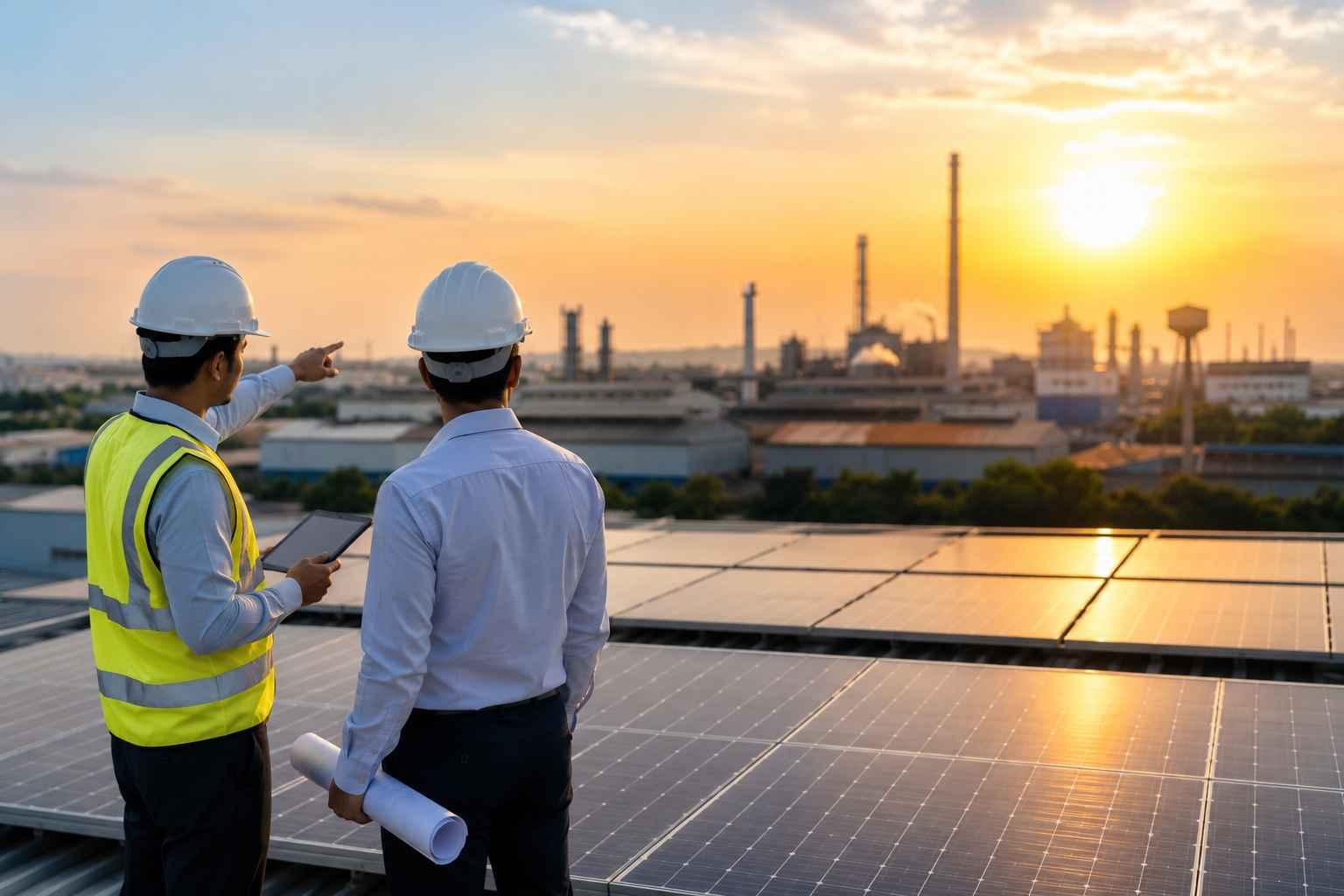
More and more people in India are putting solar panels on their homes, shops, and factories these days. And honestly, it makes sense. Electricity bills keep going up, and solar helps bring them down. But here's something a lot of first-time buyers don't realize. The panels are only one part of the job. The company that plans, buys the equipment, and actually installs everything matters just as much, maybe even more.
This is where solar EPC companies come in. If you've started looking into solar even a little bit, you've probably heard the word EPC already, without really knowing what it means. So let's break it down in simple terms.
What Does EPC Mean
EPC stands for Engineering, Procurement, and Construction. In plain words, it means one company takes care of your whole solar project from start to finish. They study your rooftop or land, design the system, buy the panels and inverters, and then install everything and get it running. So when people talk about a solar EPC company in India, they simply mean one team that handles the full job instead of you running around to five different people.
And that matters a lot. Solar isn't just about fixing panels on a roof and walking away. There's proper planning involved, electrical wiring, safety checks, and paperwork with your local electricity board for net metering. A good EPC company handles all of this smoothly. A bad one leaves you stuck halfway, not knowing who to call.
Why This Choice Actually Matters
A solar system usually runs for twenty years or more. That's a long time to live with a bad installation if something goes wrong early. Rushed work by people who don't really know what they're doing can mean less power output, more breakdowns, and sometimes even safety issues. That's why choosing the right solar EPC companies in India matters. A properly installed system from a good company just quietly works in the background for years, without giving you much trouble. So really, this one decision who you pick to design and build your system shapes your whole solar experience going forward.
What to Look For Before You Choose
1. Ask About Their Real Experience
Don't just ask how many years they've been around. Ask how many actual projects they've completed. It could be homes, shops, or factories; it doesn't matter. What matters is that they've handled real sites and real problems before. A company that's seen different types of rooftops and setups will usually deal with surprises much better than someone new to the field.
2. Check What Equipment They Actually Use
Here's something people often miss. Not every solar panel or inverter is the same, even if they look similar. Some companies use cheaper, lower-quality parts just to keep their price low. It might look like a good deal at first, but you'll likely see lower output and shorter equipment life later on. Just ask them directly which brands they install and whether those brands are known for being reliable in India.
3. See If They Actually Visit Your Site
If a company gives you a price without ever coming to check your rooftop or land, that's a warning sign. A proper visit means checking shading, roof strength, and how much power you actually use before suggesting a system size. Skipping this step usually means they care more about closing the sale than fitting the system to your actual needs.
4. Ask for Clear Pricing
A good company will break down the cost for you, panels, inverters, structure, wiring, labor, everything, instead of just giving you one number and hoping you don't ask questions.
5. Find Out What Happens After Installation
Solar systems sometimes need small repairs or checkups, even good ones. So ask how fast they respond when you call for service, and whether they actually honor the warranty without giving you the runaround. This is the part people forget to check until they actually need help, and by then it's too late to switch.
6. Check Their Certifications
Make sure they follow proper safety rules and have the certifications needed to install solar systems in India. If you're planning to apply for any government subsidy, this becomes even more important.
7. Talk to Their Past Customers
Sales talk always sounds good, that's their job. What actually helps is hearing from someone who's had the system running for a year or two already. Look up reviews online, ask for references, and if you can, go visit a site they've already finished.
Important Questions to Consider Before Signing Any Agreement
Before you finalize anyone, ask how long the installation will actually take, what warranty covers the equipment and their own work, how they'll handle your net metering paperwork, and what they'll do if the system doesn't perform as promised. Pay attention to how clearly and confidently they answer. That tells you a lot on its own.
Why Local Knowledge Matters
Sometimes working with a company that knows your area well, the local weather, how the electricity board usually works, the common rooftop types nearby, makes things a lot easier. They work closely within their local markets and often understand these small regional details better than bigger companies that operate everywhere at once.
Final Thoughts
Don't rush this decision. Take a few extra days to compare companies, ask the small annoying questions, and check what real customers are actually saying. The cheapest quote isn't always the best one, and a smooth sales pitch doesn't always mean good work behind it. Take your time, do your research properly, and pick someone who treats your project seriously. Get this one decision right, and you'll have years of quiet, reliable solar power without much to worry about.

 English
 Arabic
 French
 Spanish
 Portuguese
 Turkish
 Dutch
Dutch
 Italiano
 Russian
 Romaian
 Portuguese (Brazil)
 Greek
Greek
