


Physical Therapy San Ramon for Shoulder Impingement Care
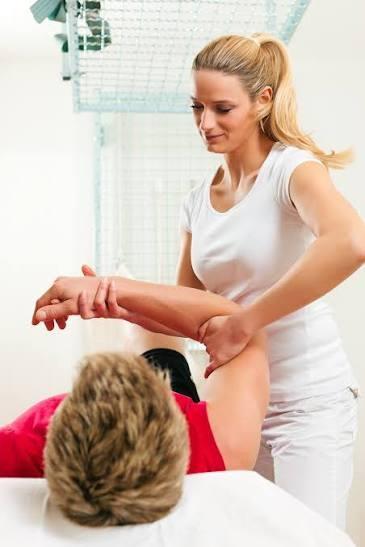
Reaching into an overhead cabinet, putting on a jacket, or lifting weights at the gym should never produce sharp, catching pain in the shoulder. Shoulder impingement syndrome is one of the most frequent causes of upper body pain and limited mobility in adults. It occurs when the tendons of the rotator cuff muscles or the subacromial bursa become compressed and irritated as they pass through the narrow bony space beneath the acromion of the shoulder blade. Without appropriate clinical care, repetitive friction can lead to tendon inflammation, micro-tears, and progressive rotator cuff damage. Through specialized Physical Therapy San Ramon, individuals suffering from shoulder impingement can decompress joint structures, restore smooth shoulder blade movement, and regain full overhead arm mobility without discomfort.
Understanding shoulder mechanics helps individuals take proactive steps toward restoring smooth arm movement and lasting shoulder power.
Mechanics of Shoulder Impingement and Joint Stability
The shoulder is a ball-and-socket joint designed for remarkable freedom of movement, relying heavily on dynamic muscle balance rather than deep bony sockets for structural stability.
Anatomical Causes of Subacromial Space Narrowing
The head of the upper arm bone sits inside a shallow socket on the shoulder blade. Directly above this joint lies a bony roof called the acromion process. The narrow passage between the arm bone and the acromion process is known as the subacromial space, housing the rotator cuff tendons and a protective bursa sac. When the arm is raised overhead, this space naturally narrows. If the shoulder blade fails to rotate upward correctly, or if the head of the arm bone shifts upward due to rotator cuff weakness, the tendons become pinched against the bone, causing sharp shoulder pain. Choosing specialized Physical Therapy San Ramon helps identify structural and functional drivers of subacromial compression.
The Critical Role of the Rotator Cuff and Scapular Muscles
Four small rotator cuff muscles work continuously to keep the ball centered within the shallow socket during arm movements. Simultaneously, upper back muscles control shoulder blade movements, ensuring the acromion tilts upward out of the way when you lift your arm overhead. Weakness in the rotator cuff or poor coordination among shoulder blade muscles results in abnormal joint mechanics and subacromial impingement. Participating in targeted Physical Therapy San Ramon allows individuals to re-educate these stabilizing muscles and restore smooth joint alignment.
Clinical Protocols for Shoulder Impingement Rehabilitation
Overcoming shoulder impingement requires a phased clinical treatment plan that reduces local inflammation while addressing root mechanical issues.
Reducing Tissue Inflammation and Restoring Range of Motion
The first phase of shoulder rehabilitation focuses on easing subacromial inflammation and relieving soft tissue tightness around the joint capsule. Specialized practitioners utilize manual therapy, soft tissue release, posterior capsule stretches, and gentle joint mobilizations to expand subacromial space, relieve pain, and restore basic arm mobility.
Progressive Rotator Cuff and Scapular Stabilization
As acute shoulder pain diminishes, rehabilitation focuses on strengthening the rotator cuff and scapular stabilizing muscles. Patients perform isometric and low-load resistance exercises targeting the infraspinatus, subscapularis, supraspinatus, and serratus anterior muscles. Working with a skilled Physical Therapy San Ramon professional ensures exercises are introduced safely without pinching inflamed tendons.
Combining Pilates for Optimal Upper Body Function
Integrating clinical rehabilitation with Pilates training offers a comprehensive method for rebuilding shoulder strength, posture, and kinetic chain integration.
Restoring Thoracic Extension and Chest Mobility
A rounded upper back rotates the shoulder blades forward and down, significantly narrowing the subacromial space and increasing impingement risks. Exercises performed on the Pilates Reformer help open tight chest muscles and promote mid-back extension, creating a roomier subacromial space for pain-free arm movements.
Rebuilding Scapular Control and Upper Body Balance
Pilates exercises emphasize controlled shoulder blade placement during upper body movements. Performing strap exercises and pulling routines on the Reformer teaches patients to move their arms without elevating or shrugging their shoulders, reducing stress on the upper trapezius and subacromial structures. Utilizing integrated Physical Therapy San Ramon alongside Pilates conditioning provides a solid foundation for long-term shoulder strength.
Daily Habit Modifications for Shoulder Longevity
Maintaining healthy shoulder function requires adopting smart movement habits and protecting your joints during daily activities.
Modifying Sleep Postures to Avoid Tendon Compression
Sleeping directly on an painful shoulder compresses inflamed subacromial tissues and restricts local blood flow, delaying healing. Try sleeping on your back with a pillow supporting your arm, or sleep on your uninjured side while hugging a pillow to keep your shoulder in a neutral position overnight.
Practicing Proper Ergonomics and Overhead Mechanics
When reaching for objects overhead, step closer to the shelf rather than reaching forward with an outstretched arm. Avoid heavy lifting or repetitive overhead pressing exercises until full rotator cuff strength and shoulder blade mechanics are restored.
Taking Action Before Minor Tendon Irritation Worsens
Ignoring early catching sensations or shoulder aches often causes individuals to alter their movement patterns, leading to secondary neck or upper back pain. Scheduling a physical screen with a provider of Physical Therapy San Ramon at the first sign of shoulder pain ensures timely care and prevents long-term tendon damage.
Your Path to Complete Shoulder Freedom and Strength
A structured shoulder rehabilitation process guides you step-by-step from painful arm movement back to full physical capability.
Comprehensive Shoulder and Postural Evaluation
Your recovery process begins with a detailed physical evaluation. A clinical specialist tests your shoulder range of motion, rotator cuff strength, shoulder blade mechanics, thoracic mobility, and movement patterns to pinpoint the causes of impingement.
Personalized Rehabilitation Plan
Following your assessment, a customized rehabilitation plan is established. This strategy includes manual joint mobilizations, targeted rotator cuff strengthening, posture correction, and task-specific movement retraining tailored to your lifestyle.
Long-Term Joint Longevity and Performance
As your shoulder pain resolves and full mobility returns, care transitions toward high-level resistance training, sports conditioning, and injury prevention strategies. Partnering with Physical Therapy San Ramon equips you with functional tools, home exercise plans, and movement habits to keep your shoulders strong, stable, and pain-free.
Conclusion
Shoulder impingement syndrome and catching pain do not have to compromise your active lifestyle, gym workouts, or daily productivity. By restoring proper shoulder blade rotation, strengthening rotator cuff stabilizers, and improving upper back posture, you can eliminate joint compression and enjoy pain-free arm movements. Partnering with specialized Physical Therapy San Ramon provides you with expert clinical instruction, tailored exercise programs, and hands-on care needed for complete shoulder health. Take charge of your upper body strength today and move with renewed power and ease.

 Arabic
 French
 Spanish
 Portuguese
 Deutsch
 Turkish
 Dutch
Dutch
 Italiano
 Russian
 Romaian
 Portuguese (Brazil)
 Greek
Greek
