


Hospital Medical Billing Services: Improve Revenue and Reduce Claim Denials
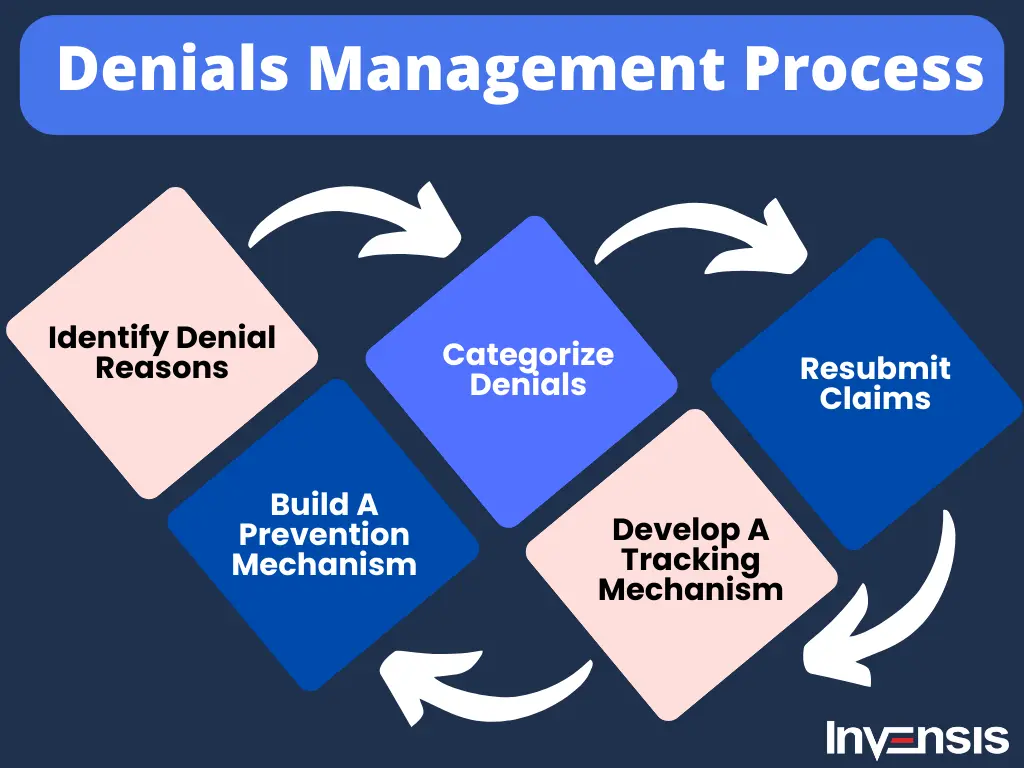
Hospital medical billing services help hospitals manage the financial side of patient care, from registration and coding to claims, payments, denials, and follow-up. In simple terms, hospital medical billing services turn documented patient services into accurate insurance claims and help ensure the hospital receives appropriate reimbursement.
Effective hospital medical billing services can reduce preventable errors, improve clean-claim rates, strengthen cash flow, and give revenue cycle teams better visibility. Medical billing services for hospitals are especially useful because hospital billing involves multiple departments, payers, coding rules, contracts, and patient account types.
Why Hospital Medical Billing Services Matter for Revenue
Hospital revenue depends on more than sending claims. Every stage of the revenue cycle can affect whether a claim is paid correctly and on time. Hospital medical billing services coordinate these stages so financial problems can be identified before they become expensive.
A well-managed process typically includes:
-
Patient registration and insurance verification
-
Charge capture and medical coding
-
Claim creation and electronic submission
-
Payment posting and account reconciliation
-
Denial management and appeals
-
Patient billing and account follow-up
Hospital medical billing services also help connect clinical documentation with billing requirements. When information is incomplete or inconsistent, a claim may be delayed, denied, or underpaid.
For hospitals, small errors can become large financial problems because of high claim volumes. Strong hospital medical billing services create consistent workflows, monitor accounts, and help staff address issues earlier.
How Hospital Medical Billing Services Reduce Claim Denials
Claim denials are often caused by preventable problems such as incorrect patient information, eligibility issues, coding mistakes, missing documentation, authorization gaps, or payer-specific requirements. Hospital medical billing services can reduce these risks by building checks into the revenue cycle.
The goal is not simply to work denials after they happen. Better hospital medical billing services focus on identifying patterns and correcting the process that caused the denial.
For example, a hospital may discover that one payer frequently rejects claims because of authorization requirements. Instead of repeatedly appealing those claims, the billing team can strengthen pre-service verification and authorization workflows.
Practical denial-reduction steps include:
-
Verify eligibility and coverage before services when possible.
-
Confirm authorization requirements for applicable procedures.
-
Review coding and documentation for consistency.
-
Submit clean claims with complete information.
-
Track denial reasons by payer, department, and service.
-
Appeal valid denials with supporting documentation.
-
Measure recurring problems and correct their root causes.
Medical billing services for hospitals can also use denial reports to identify trends. This turns billing data into operational information that leaders can use to improve processes.
Medical Billing Services for Hospitals: Key Benefits and Use Cases
Medical billing services for hospitals can support organizations of different sizes, including community hospitals, specialty facilities, outpatient departments, and multi-location health systems. The right approach depends on the hospital's payer mix, specialty services, technology, staffing model, and financial goals.
One major benefit is improved workflow consistency. Hospital medical billing services can standardize routine billing activities while allowing internal teams to focus on complex accounts and patient-facing responsibilities.
Another benefit is better visibility. Hospital medical billing services can provide reports on outstanding accounts, denial categories, aging balances, payment trends, and collection performance. These insights can help management determine where attention is needed.
Common use cases include:
-
High-volume claims processing
-
Complex inpatient and outpatient billing
-
Insurance verification and authorization support
-
Denial follow-up and appeals
-
Payment posting and reconciliation
-
Aged accounts receivable follow-up
-
Coding and documentation review
-
Revenue cycle performance reporting
Hospitals should also consider how billing services interact with existing EHR and practice-management systems. Efficient workflows depend on accurate data transfer, defined responsibilities, and timely communication.
Choosing Hospital Medical Billing Services: Practical Tips and Common Mistakes
Choosing hospital medical billing services should involve more than comparing prices. Hospitals need to evaluate experience, processes, reporting, security practices, technology compatibility, communication, and measurable performance.
Before selecting a provider, ask how hospital medical billing services handle complex claims, payer rules, denials, appeals, and aging accounts. Ask what metrics are reported and how often results are reviewed.
A reliable partner should be able to explain its workflow clearly and identify where responsibilities remain with the hospital. Clear accountability helps prevent gaps between registration, coding, billing, and collections.
Avoid these common mistakes:
-
Choosing a provider based only on the lowest fee
-
Failing to define reporting and performance expectations
-
Ignoring payer-specific billing requirements
-
Treating denial management as only a back-end task
-
Overlooking system integration and data security
-
Failing to review recurring denial patterns
-
Expecting billing changes to produce instant results
Strong hospital medical billing services should be transparent about what they can improve and what depends on clinical documentation, payer decisions, contracts, and internal processes.
For hospitals considering outsourcing, start with a review of current denial rates, accounts receivable aging, clean-claim performance, and workflow bottlenecks. This creates a useful baseline for measuring improvement. Regular audits help hospitals verify billing workflows remain accurate as payer policies, regulations, and service lines change.
Hospital Medical Billing Services FAQs
What are hospital medical billing services?
Hospital medical billing services manage billing and revenue cycle tasks connected with hospital care. They may include eligibility checks, coding, claims submission, payment posting, denial management, and account follow-up.
How do hospital medical billing services reduce denials?
Hospital medical billing services reduce denials by checking patient information, authorization, coding, documentation, and payer requirements. They also analyze denial trends so recurring problems can be corrected.
Are medical billing services for hospitals suitable for small hospitals?
Yes. Medical billing services for hospitals can support smaller facilities that have limited billing staff or need specialized revenue cycle expertise. Services can often be structured around the hospital's workload and operational needs.
What should hospitals look for in billing services?
Hospitals should evaluate billing experience, reporting, technology integration, communication, security processes, denial management, and performance metrics. A clear workflow and defined accountability are also important.
Can hospital medical billing services improve cash flow?
Hospital medical billing services can support healthier cash flow by improving claim accuracy, reducing avoidable delays, following up on unpaid accounts, and addressing denials. Results depend on payer behavior, documentation, contracts, and internal processes.
Hospitals do not need to change every billing process at once. A practical starting point is to identify the largest revenue leaks, measure current performance, and improve the highest-impact workflows first. The right hospital medical billing services partner can provide structured support while keeping hospital leaders informed and in control.

 English
 Arabic
 French
 Spanish
 Portuguese
 Deutsch
 Dutch
Dutch
 Italiano
 Russian
 Romaian
 Portuguese (Brazil)
 Greek
Greek
