


Georgia In-Home Daycare Requirements: What Families and Providers Should Know
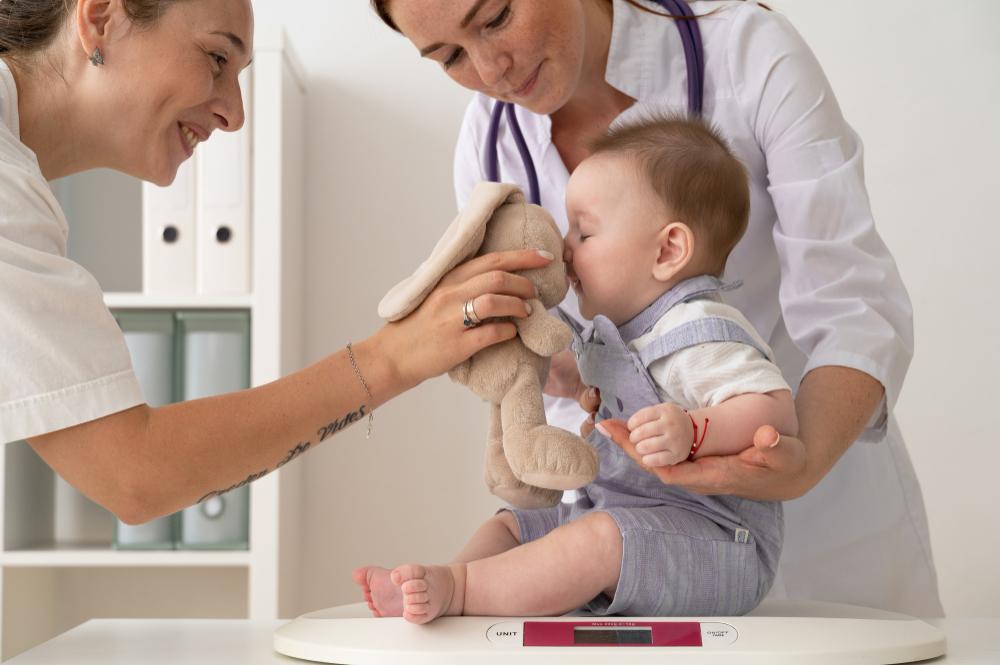
Opening a daycare in a private home can be an appealing way to build a childcare business while creating a smaller, more personal environment for children. At the same time, operating childcare from a residence comes with important licensing, training, safety, background-check, and local approval requirements.
In Georgia, what many people casually call an “in-home daycare” is generally regulated as a Family Child Care Learning (FCCLH) when it provides paid care for eligible children in a private residence. Georgia's Department of Early Care and Learning (DECAL) oversees the licensing process and publishes the applicable rules and guidance.
For families, understanding these requirements can make it easier to choose a legitimate provider. For prospective providers, knowing the rules before opening can help avoid costly delays or compliance problems.
What Is a Family Child Care Learning Home?
A Family Child Care Learning Home is a private residence that provides childcare for less than 24 hours per day. Georgia DECAL describes this type of program as caring for three to six unrelated children under age 13 for pay, subject to the state's licensing requirements.
The distinction matters because an in-home provider is not automatically free from regulation simply because care takes place inside a house.
Georgia's current licensing guidance states that a person cannot operate a Family Child Care Learning Home without obtaining the required license from DECAL.
Who Regulates In-Home Daycare in Georgia?
The Georgia Department of Early Care and Learning, commonly known as DECAL, administers licensing and regulatory requirements for Family Child Care Learning Homes and Child Care Learning Centers.
DECAL publishes the applicable rules, application materials, training information, and compliance guidance for childcare programs.
Providers should always check the current DECAL requirements before opening because regulations, forms, and application procedures can change.
Georgia In-Home Daycare Licensing Requirements
One of the most important Georgia in-home daycare requirements is obtaining the appropriate license before operating.
Prospective providers generally need to complete the required orientation, training, application, background checks, education documentation, and property-related approvals.
DECAL's current FCCLH application information includes requirements such as:
- Licensing orientation
- Required pre-service training
- Criminal background checks
- Education credentials
- CPR and First Aid certification
- Zoning approval
- Floor plans
- Proof of residence ownership or lease
- Applicable fire inspection
- Water and sewer documentation
- Other required application materials
Missing documentation can delay the application review.
Education Requirements for Providers
Education and professional preparation are another major consideration.
DECAL states that new Family Child Care Learning Home providers must possess a qualifying education credential. Acceptable credentials can include a Child Development Associate (CDA), certain early childhood education technical credentials, an associate or bachelor's degree in early childhood education, or other credentials identified by the department.
In certain circumstances, an applicant may request a variance that allows time to obtain a qualifying credential after licensure, subject to applicable requirements.
Prospective providers should verify the current credential options directly with DECAL before applying.
Training Before Opening
Training is an important part of the licensing process.
DECAL's current training guidance states that new FCCLH providers must complete 20 hours of pre-service training before applying for licensure and before receiving a license. The training includes the required licensing orientation.
DECAL's application guidance also identifies approved training areas for the pre-service requirement, including subjects related to early learning, communication, leadership and professional development, business management, and advocacy.
After the first year, providers must complete at least 10 hours of state-approved training each calendar year.
CPR and First Aid
Childcare providers need appropriate emergency-response preparation.
DECAL requires current CPR and First Aid training for FCCLH providers, with the application materials specifying infant and child CPR and First Aid.
For parents, asking whether a provider maintains current certifications can be a useful part of evaluating a home childcare program.
Background Checks and Household Members
Because childcare takes place inside a residence, background checks can extend beyond the primary provider.
Georgia DECAL's current guidance states that adults age 17 and older who reside in the home must undergo a national fingerprint background check and receive a satisfactory determination. Other individuals who routinely have access to children may also be subject to required checks.
This requirement is particularly important for families considering care in a private residence.
How Many Children Can an In-Home Daycare Have?
Capacity is another key consideration among Georgia in-home daycare requirements.
A licensed Family Child Care Learning Home generally cares for no more than six unrelated children under age 13 at one time. DECAL also identifies circumstances under which a provider may request approval to care for two additional children age three or older during designated periods.
Parents should ask providers about their licensed capacity and confirm that the number of children being cared for is consistent with the applicable rules.
Home, Zoning, and Property Requirements
The residence itself must meet applicable requirements.
DECAL's application checklist includes documentation such as:
- Proof of home ownership or an acceptable lease
- Homeowner association documentation when applicable
- Zoning approval
- Floor plans
- Applicable fire inspection
- Water and sewer verification
- Septic or well documentation when applicable
Local requirements can also matter. DECAL notes that FCCLH providers must follow city and county ordinances, including business licensing requirements when applicable.
Someone renting a home or living in a community with specific restrictions should verify permission before proceeding.
Outdoor Play Space
Children need opportunities for safe physical activity and outdoor play.
Georgia DECAL states that an outdoor play area is required for Family Child Care Learning Homes. The area must meet applicable safety requirements, including an appropriate fence or approved barrier.
The current guidance also indicates that an FCCLH outdoor play area does not have a fixed size requirement, but it must provide enough space for children to move freely without overcrowding.
Providers should review the current rules carefully when planning their outdoor area.
Why Families Should Verify Licensing
For parents, checking licensing status is one of the simplest ways to begin evaluating an in-home childcare provider.
A licensed provider has gone through the state's regulatory process and is expected to comply with applicable childcare rules.
Families can also ask about:
- Current license status
- Licensed capacity
- CPR and First Aid certification
- Background-check compliance
- Daily schedule
- Emergency procedures
- Outdoor play arrangements
- Meals and snacks
- Communication with parents
- Policies for illness and medication
These questions can help parents understand how a home childcare environment operates.
What Providers Should Prepare Before Applying
Prospective operators can make the process more efficient by preparing documentation before submitting an application.
A useful checklist may include:
- Complete the required orientation.
- Review current FCCLH rules.
- Complete required pre-service training.
- Confirm education credentials.
- Complete required background checks.
- Obtain CPR and First Aid certification.
- Verify zoning requirements.
- Prepare the floor plan.
- Gather proof of residence or lease authorization.
- Collect applicable fire, water, sewer, septic, or well documentation.
- Submit the required application through DECAL's current system.
DECAL currently states that FCCLH applications are submitted through DECAL KOALA and that all required documents must be uploaded before submission.
How Long Does Licensing Take?
Families and providers should plan ahead rather than assuming a license can be issued immediately.
DECAL currently lists a minimum processing period of 45 days for Family Child Care Learning Home applications after the application has been received, screened, and the confirmation process has occurred.
Its FAQ notes that the overall licensing process can typically take between one and six months depending on the applicant and completeness of the submission.
Providers should not begin operating simply because an application has been submitted. DECAL states that permission to operate must be granted before a childcare program opens for business.
A Note for Parents Comparing Home Daycares
When families search for they are often trying to answer a more practical question: “How do I know whether this home daycare is appropriate for my child?”
Licensing is an important starting point, but parents should also visit the home when possible and observe the environment.
Consider asking:
- How many children are enrolled?
- What are the provider's hours?
- What is the daily routine?
- How are naps handled?
- What happens if a child becomes sick?
- How are emergencies handled?
- Is outdoor play available?
- How does the provider communicate with parents?
- What happens when the provider is unavailable?
A warm, organized environment combined with appropriate licensing and safety practices can give parents greater confidence.
A Safe Start Begins With Knowing the Rules
An in-home childcare setting can offer children a smaller environment and families a more personal alternative to larger childcare centers. But the comfort of a residential setting should never replace proper licensing, training, safety procedures, and professional accountability.
For anyone researching Georgia in-home daycare requirements, the most reliable approach is to start with current DECAL rules and then evaluate individual providers based on licensing, qualifications, safety, communication, and the overall environment.
Providers should treat compliance as an ongoing responsibility rather than a one-time hurdle. Parents, meanwhile, should feel more comfortable asking questions and verifying important details before enrolling a child.
Ultimately, quality home childcare is built on more than a welcoming house. It depends on preparation, responsible supervision, regulatory compliance, and a genuine commitment to children's safety and development.
Frequently Asked Questions
1. Do I need a license to operate an in-home daycare in Georgia?
Generally, a person providing paid care for the applicable number of unrelated children in a private residence must obtain a Family Child Care Learning Home license from DECAL. Current rules should be checked before beginning operations.
2. How many children can a Georgia Family Child Care Learning Home care for?
A licensed FCCLH generally provides care for no more than six unrelated children under age 13, with limited additional-child provisions available under specific circumstances and approval.
3. What training does an in-home daycare provider need?
New FCCLH providers must meet applicable education requirements and complete required pre-service training. DECAL currently states that new providers need 20 hours of pre-service training and, after the first year, at least 10 hours of approved training annually.
4. Can parents check whether an in-home daycare is properly licensed?
Parents can use Georgia DECAL's childcare resources to research licensed programs and should ask providers for their current licensing information. Families can also ask about qualifications, background checks, CPR and First Aid certification, capacity, and safety procedures.

 English
 Arabic
 French
 Spanish
 Portuguese
 Deutsch
 Turkish
 Dutch
Dutch
 Italiano
 Russian
 Romaian
 Greek
Greek
