


Hormonal Skin Ageing Treatment: Causes, Signs and Effective Treatments
Skin can change surprisingly quickly when hormones shift. One year it feels comfortable and springy; the next, it’s dry before lunchtime, and your usual moisturiser does almost nothing. A suitable hormonal skin ageing treatment can help, but only when it targets what’s actually happening beneath the surface.
For many UK women, these changes become noticeable during perimenopause or menopause. Men can experience them too, especially as testosterone levels fall. This isn’t simply “getting older”. Hormones affect collagen, oil production, hydration and healing, so the difference can feel quite sudden.
What causes hormonal skin ageing?
Oestrogen plays a big role in maintaining collagen, skin thickness and moisture. As oestrogen declines, the skin produces less collagen and holds less water. It may also produce fewer natural oils. That combination often creates dryness, fine lines, and a slightly fragile texture.
Research suggests women can lose a noticeable amount of skin collagen during the first few years after menopause. The rate won’t be identical for everyone. Genetics, sun exposure, smoking, alcohol, sleep and nutrition all affect what happens next.
Lower testosterone can influence male skin as well. Skin may become thinner, slower to repair and less firm. Stress hormones add another layer. Long periods of raised cortisol can disturb sleep and aggravate inflammation, which sometimes shows up as breakouts or sensitivity.
I’d look at the timing first. If several skin changes appeared within six or twelve months of disrupted periods, hot flushes or poor sleep, hormones could be part of the picture. Not the whole story, perhaps, but a fairly loud part of it.
What are the signs of hormonally ageing skin?
Dryness is usually one of the first complaints. Skin can feel tight after cleansing, even when the cleanser hasn’t changed. Makeup may settle differently. Fine lines around the eyes and mouth start looking deeper because dehydrated skin doesn’t reflect light in the same way.
Other common signs include:
· Reduced firmness around the jaw and cheeks
· A thinner or more delicate texture
· Slower healing after spots or minor scratches
· Increased redness and sensitivity
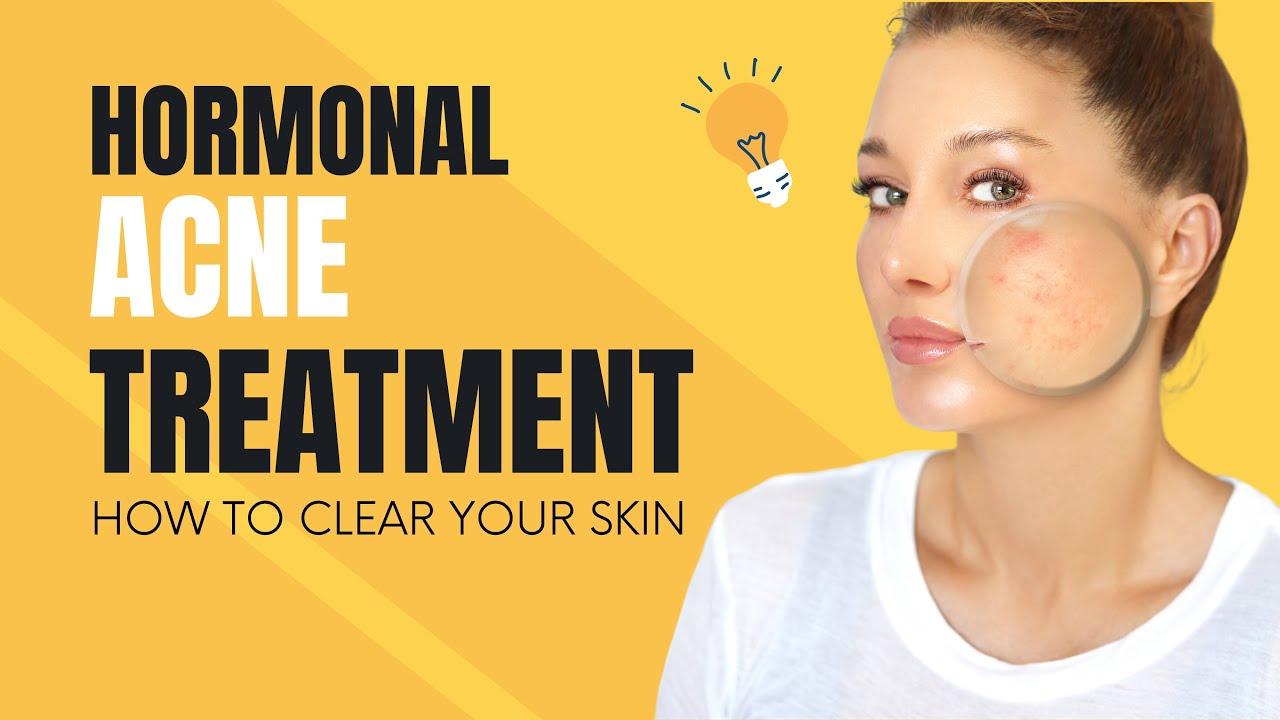
· Adult acne, often around the chin
· Uneven tone or more visible pigmentation
· Bruising more easily than before
The odd part is that oiliness and dryness can happen together. Someone may have flaky cheeks but recurring chin spots. That’s why buying a harsher acne wash often makes things worse. The skin barrier was already struggling and then…
Which hormonal skin ageing treatment actually works?
There isn’t one universal hormonal skin ageing treatment. A sensible plan often combines barrier support, collagen-focused ingredients, sun protection and, where appropriate, medical assessment.
Start with daily broad-spectrum SPF 30 or 50. Yes, even in the UK. UVA passes through cloud and contributes to collagen breakdown throughout the year. Sunscreen won’t reverse hormonal changes, but it helps protect the collagen you still have.
A gentle cleanser and moisturiser containing ceramides, glycerine or hyaluronic acid can reduce tightness. Retinoids may improve fine lines, texture and collagen production, although stronger isn’t automatically better. Begin slowly. Twice a week is enough for some people.
Vitamin C, niacinamide and peptides can be useful, but don’t introduce four active products on Sunday night. I’ve seen routines containing nine separate steps when three well-chosen products would have been easier to tolerate. My practical pick would be cleanser, moisturiser and sunscreen first. Add one active after two or three weeks.
Prescription tretinoin may suit certain patients after professional assessment. It can cause irritation and isn’t suitable during pregnancy. A clinician should also check persistent rashes, sudden pigmentation changes or wounds that won’t heal rather than assuming they’re hormonal.
Can a Longevity clinic UK service test your hormones?
A reputable Longevity clinic UK service may assess symptoms alongside blood results, medical history, lifestyle and current medication. Testing can be helpful when skin changes appear with irregular periods, fatigue, reduced libido, hot flushes or changes in body composition.
Blood tests are only part of the picture. Hormone levels can fluctuate during perimenopause, meaning one “normal” result doesn’t always explain how somebody feels. Thyroid problems, iron deficiency and certain medicines may produce overlapping symptoms too.
Personally, I’d be cautious of any clinic selling a large testing package before asking basic questions about sleep, menstrual changes, sun exposure and skincare. Forty biomarkers look impressive on a report. They don’t automatically create a useful treatment plan.
Does HRT improve ageing skin?
Hormone replacement therapy may improve hydration, skin thickness or collagen in some menopausal women. It isn’t prescribed solely as a cosmetic hormonal skin ageing treatment, though. The decision should be based on wider menopausal symptoms, personal preferences and individual health risks.
Speak with a GP or menopause specialist. They’ll consider factors such as migraine history, blood pressure, unexplained bleeding and certain cancers. Don’t buy unregulated hormone products online. “Bioidentical” on a label doesn’t prove that a product is safer.
For someone already considering HRT because of disruptive menopausal symptoms, skin improvement might be a welcome side effect. It shouldn’t be the only reason.
What treatments can a Longevity clinic UK offer?
Depending on its clinical team, a Longevity clinic UK provider may combine hormone assessment with dermatologist-led skincare, nutrition guidance or non-surgical procedures.
Microneedling and some laser treatments can stimulate collagen. Chemical peels may improve uneven tone and texture. Injectable treatments address particular concerns but won’t fix dehydration, inflammation or a damaged skin barrier. A good practitioner should say when a procedure isn’t needed. That matters quite a lot.
Choose a properly regulated clinic and check the qualifications of the person carrying out treatment. Ask about downtime, side effects, expected results and what happens if there’s a complication. Be wary of dramatic promises based on a single before-and-after photograph.
How long does hormonal skin ageing treatment take?
A topical hormonal skin ageing treatment rarely produces meaningful change in ten days. Barrier dryness may improve within two to four weeks. Retinoids and collagen-stimulating treatments generally need several months.
Take photographs in the same room and lighting once every four weeks. Daily mirror-checking makes progress almost impossible to judge. Skin also has good weeks and bad ones; sleep, weather and stress can throw it around.
Consistency usually beats an expensive routine used occasionally.
FAQs
Can hormonal skin ageing be reversed?
It can’t be completely reversed, but dryness, texture, firmness and pigmentation may improve with consistent treatment. Results depend on age, hormone status, sun damage and general health.
What age does hormonal skin ageing begin?
There’s no fixed age. Many women notice changes during their forties, although perimenopause may begin earlier. Men often experience a slower, less obvious shift.
Is hormonal acne part of skin ageing?
It can be. Fluctuating hormones may trigger chin or jawline spots while the rest of the face feels dry. Treatment needs to protect the skin barrier as well as manage breakouts.
If your skin has changed suddenly, book an assessment with a qualified GP, dermatologist or menopause clinician. The right hormonal skin ageing treatment should fit your health, symptoms and skin—not somebody else’s trending routine.

 English
 Arabic
 French
 Spanish
 Portuguese
 Deutsch
 Dutch
Dutch
 Italiano
 Russian
 Romaian
 Portuguese (Brazil)
 Greek
Greek
