


Smoking and Hair Loss- Is There a Connection?
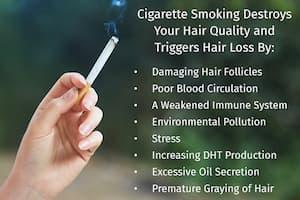
Hair loss affects millions of people and can result from genetics, hormonal changes, stress, poor nutrition, and lifestyle habits. One often-overlooked factor is smoking. While smoking is widely known for harming the heart and lungs, it can also negatively impact your hair and scalp.
If you've noticed excessive shedding or thinning hair, smoking may be contributing to the problem. Understanding the connection can help you make informed choices to protect your hair and overall health.
How Smoking Affects Your Overall Health
Harmful Chemicals Found in Cigarettes
Cigarettes contain thousands of harmful chemicals, including nicotine, carbon monoxide, and toxic free radicals. These substances damage cells throughout the body and interfere with normal blood circulation. Over time, this damage affects organs, skin, and even the hair follicles responsible for healthy hair growth.
Why Healthy Blood Circulation Matters
Hair follicles require a continuous supply of oxygen and nutrients to produce strong, healthy strands. Smoking narrows blood vessels, reducing blood flow to the scalp. As a result, follicles receive fewer essential nutrients, weakening hair and slowing its natural growth cycle.
Can Smoking Cause Hair Loss?
Reduced Blood Flow to Hair Follicles
One of the primary ways smoking contributes to hair loss is by restricting blood circulation. When the scalp receives less oxygen and fewer nutrients, hair follicles become weaker and produce thinner, more fragile hair. Over time, this can increase hair shedding and reduce hair density.
Increased Oxidative Stress
Smoking generates harmful free radicals that cause oxidative stress. These unstable molecules damage healthy cells, including those in the scalp and hair follicles. Oxidative stress accelerates the ageing process and may shorten the life cycle of hair follicles, leading to premature hair thinning.
Hormonal Changes Linked to Smoking
Research suggests that smoking may influence hormone levels associated with hair growth. Hormonal imbalance can worsen genetic hair loss, particularly in individuals already predisposed to male or female pattern baldness. Combined with poor circulation, these hormonal changes can speed up the progression of hair loss.
The Science Behind Smoking and Hair Loss
What Research Says
Several scientific studies have found a significant association between smoking and increased hair loss. Researchers believe reduced blood flow, oxidative stress, DNA damage, and inflammation collectively contribute to weakened hair follicles. While smoking may not be the sole cause, it is considered an important risk factor that can worsen existing hair conditions.
Who Is Most at Risk?
Heavy smokers, long-term smokers, and individuals with a family history of hair loss face a higher risk of noticeable hair thinning. People with unhealthy diets, chronic stress, or underlying medical conditions may experience even greater damage because multiple factors work together to weaken hair health. Visit Us honneteaesthetics.com
Signs That Smoking May Be Affecting Your Hair
Increased Hair Shedding
Finding excessive hair on your pillow, shower drain, or hairbrush may indicate that your follicles are under stress. Although some daily shedding is normal, consistent excessive shedding deserves attention.
Thinning Hair and Reduced Density
Hair may gradually lose volume, making the scalp more visible. This thinning often develops slowly, making it difficult to notice until significant changes have occurred.
Dry, Dull, and Brittle Hair
Smoking reduces the body's ability to deliver nutrients that maintain healthy hair. As a result, hair can become dry, rough, brittle, and more prone to breakage, giving it a lifeless appearance.
Can Hair Grow Back After Quitting Smoking?
Benefits of Quitting
Quitting smoking improves blood circulation, allowing more oxygen and nutrients to reach the scalp. The body also experiences lower levels of inflammation and oxidative stress, creating a healthier environment for hair growth. While results vary, many people notice improvements in hair quality after adopting healthier habits.
How Long Does Recovery Take?
Hair grows in natural cycles, so recovery takes time. Visible improvements may take several months depending on age, genetics, nutrition, and overall health. Consistency with healthy lifestyle choices can support stronger hair growth over time.
Tips to Protect Your Hair if You Smoke
Eat a Hair-Friendly Diet
A balanced diet rich in protein, iron, zinc, biotin, vitamins, and omega-3 fatty acids helps nourish hair follicles from within. These nutrients support stronger hair and may reduce excessive shedding.
Follow a Healthy Hair Care Routine
Use a mild shampoo, avoid excessive heat styling, and protect your scalp from environmental damage. Gentle hair care helps reduce breakage and keeps existing hair healthier.
Stay Hydrated and Manage Stress
Drinking enough water and managing stress through exercise, meditation, or quality sleep can improve overall scalp health. Since stress itself contributes to hair loss, controlling it is an important part of maintaining healthy hair.
Seek Professional Hair Treatment Early
If hair thinning continues despite lifestyle improvements, consult a qualified hair specialist for an accurate diagnosis. Early intervention often improves outcomes, and a hair loss treatment plan can address the underlying cause before significant damage occurs. Likewise, timely hair fall treatment can help slow progression and encourage healthier hair growth.
When Should You See a Hair Specialist?
Warning Signs You Shouldn't Ignore
Consult a hair specialist if you experience sudden hair loss, patchy bald spots, rapid thinning, persistent scalp irritation, or hair shedding that lasts for several months. Early evaluation can identify medical conditions that require prompt attention.
Available Treatment Options
Modern clinics offer several solutions depending on the cause of hair loss. These may include medications, Platelet-Rich Plasma (PRP) therapy, nutritional guidance, low-level laser therapy, and advanced hair loss treatment options.
Your hair specialist may also recommend a personalised hair fall treatment plan based on your scalp condition, medical history, and lifestyle.
Conclusion
Smoking affects far more than your lungs—it can also weaken hair follicles, reduce blood flow, increase oxidative stress, and accelerate hair thinning. While quitting smoking cannot reverse every form of hair loss, it significantly improves the environment needed for healthier hair growth.
Combined with proper nutrition, good hair care, and professional guidance, positive lifestyle changes can make a noticeable difference. If you experience persistent hair thinning, seeking expert advice early offers the best chance of preserving healthy, stronger hair.

 English
 Arabic
 French
 Spanish
 Portuguese
 Deutsch
 Turkish
 Dutch
Dutch
 Italiano
 Russian
 Portuguese (Brazil)
 Greek
Greek
