


Morpheus Treatment vs Traditional Skin Tightening: What's Different?
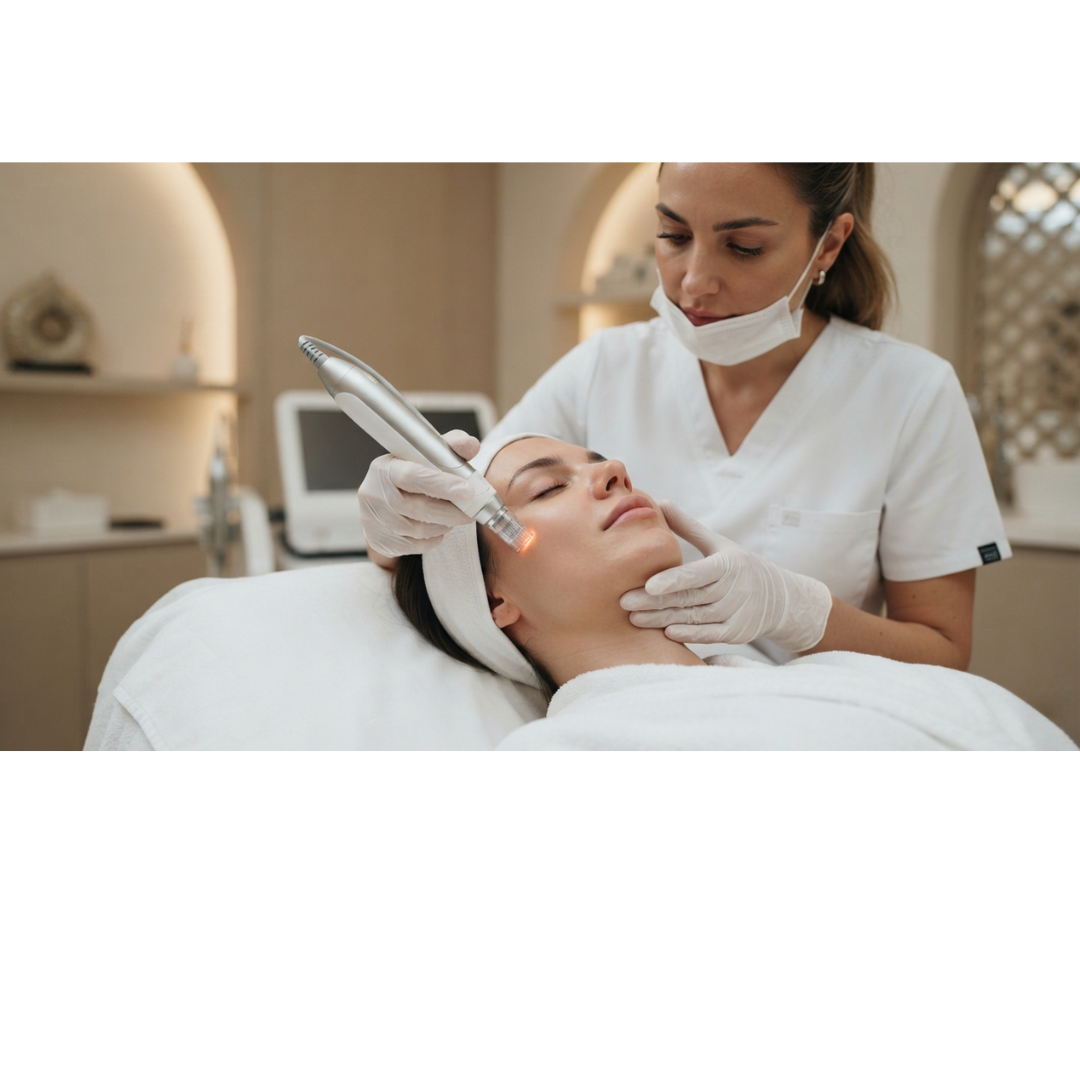
If you are comparing Morpheus treatment with older skin tightening methods, here is the short answer: Morpheus works deeper, with more precision, and without the recovery time that surgical or older RF treatments typically require. The difference is not just about technology. It is about how each method reaches the skin, what it actually does at a tissue level, and how long the results last.
This blog breaks down both approaches honestly so you can make an informed decision.
What Traditional Skin Tightening Actually Does
Traditional skin tightening covers a wide range of procedures, including radiofrequency (RF) devices, ultrasound-based treatments like Ultherapy, laser resurfacing, and surgical facelifts.
Each of these works differently, but they share one common goal: stimulating collagen production or physically tightening the skin. Here is how they generally work:
Laser resurfacing removes the outer skin layer to trigger new skin growth. Results can be good, but downtime is significant, and it is not suitable for all skin tones.
Ultrasound-based treatments target the SMAS layer (the tissue layer surgeons lift during facelifts). They work at depth but can feel uncomfortable and results vary widely between patients.
Surface RF treatments heat the skin from outside to stimulate collagen. They are non-invasive but often limited in depth, which means they work better for mild laxity rather than moderate or significant sagging.
Surgical facelifts deliver the most dramatic results but come with anaesthesia, incisions, longer recovery, and higher risk.
Most traditional non-surgical options either work superficially or require significant downtime. That is the core limitation.
How Morpheus Works Differently
Morpheus 8 combines two things: microneedling and radiofrequency energy. But what separates it from surface-level RF is that the RF energy is delivered directly into the dermis and subdermal tissue through tiny insulated needles.
This matters because the heat reaches the fat layer beneath the skin, which is where actual tissue remodelling happens. Surface devices cannot get there without risking burns on the outer skin layer.
The depth is adjustable. A practitioner can target between 1mm and 8mm depending on the treatment area and what the skin needs. This level of control is not possible with most traditional non-surgical options.
Because the needles are insulated, the surface of the skin stays protected while the energy works at the right depth. This also makes it safer for a wider range of skin tones compared to laser-based treatments, which can cause pigmentation issues on darker skin.
Morpheus Treatment Dubai: Who Is Getting It and Why
In Dubai, where the climate, sun exposure, and lifestyle all play a role in how skin ages, many people are looking for treatments that deliver visible results without significant downtime.
Morpheus treatment Dubai has seen consistent demand because it fits a specific gap: people who want real improvement in skin laxity, jawline definition, or texture but are not ready for surgery and do not want weeks of recovery.
It is commonly used for:
-
Jawline and neck tightening
-
Reducing the appearance of jowls
-
Improving skin texture and fine lines
-
Addressing mild to moderate skin laxity on the face and body
-
Acne scarring and stretch marks
The treatment typically takes 45 to 90 minutes depending on the area, and most people return to normal activity within a few days.
Side-by-Side: Key Differences That Actually Matter
Depth of treatment: Morpheus reaches subdermal tissue. Most traditional non-surgical options stay closer to the surface.
Downtime: Morpheus causes redness and mild swelling for 2 to 4 days. Laser resurfacing can take 1 to 2 weeks. Surgery takes much longer.
Skin tone compatibility: Morpheus is safe for Fitzpatrick skin types I through VI. Lasers carry higher risk for darker skin tones.
Result timeline: Collagen remodelling takes time. Most people see improvement over 3 to 6 months after Morpheus, with results continuing to improve. This is similar to other collagen-stimulating treatments.
Sessions needed: One to three sessions is common for Morpheus, depending on skin condition. Some traditional RF treatments require more sessions with less dramatic results per session.
Is Morpheus the Right Choice?
It depends on what you are dealing with. If you have mild skin laxity and just want general skin quality improvement, surface RF or light-based treatments might be enough. If you are dealing with moderate laxity, loss of definition along the jaw, or texture irregularities, Morpheus is likely to deliver more noticeable results.
At Athena Derma, the focus is on matching the treatment to what the skin actually needs rather than applying the same solution to every patient. Their approach to morpheus treatment Dubai considers skin type, depth of concern, and realistic expectations before recommending a protocol.
Conclusion
Traditional skin tightening works, but it comes with trade-offs: either limited depth, significant downtime, or risk for certain skin types. Morpheus bridges that gap by reaching deeper tissue safely with a faster recovery.
If you are in Dubai and weighing your options, understanding this difference is the first step to choosing what will actually work for your skin.
FAQs
Q.1 How many Morpheus 8 sessions are usually needed?
Most patients need one to three sessions, spaced four to six weeks apart. This depends on the severity of skin laxity and the area being treated. Your practitioner will assess this during consultation.
Q.2 Is Morpheus 8 painful?
A topical numbing cream is applied before the procedure. Most people describe the sensation as mild pressure or warmth during treatment. It is generally well tolerated.
Q.3 How long do Morpheus 8 results last?
Results typically last one to three years, depending on skin condition, age, and lifestyle. Collagen production continues for several months after the final session, so results improve gradually over time.
Q.4 Can Morpheus be done on the body, not just the face?
Yes. It is commonly used on the neck, abdomen, arms, thighs, and knees. Body treatments often require different depth settings compared to facial treatments.
Q.5 Is Morpheus treatment safe for all skin tones?
Yes. Because the RF energy is delivered through insulated needles below the skin surface, the risk of post-inflammatory hyperpigmentation is significantly lower compared to laser-based treatments. This makes it suitable for a broader range of skin tones.

 English
 Arabic
 Spanish
 Portuguese
 Deutsch
 Turkish
 Dutch
Dutch
 Italiano
 Russian
 Romaian
 Portuguese (Brazil)
 Greek
Greek
