


Steel in the Philippines for Shipbuilding: Requirements and Suppliers
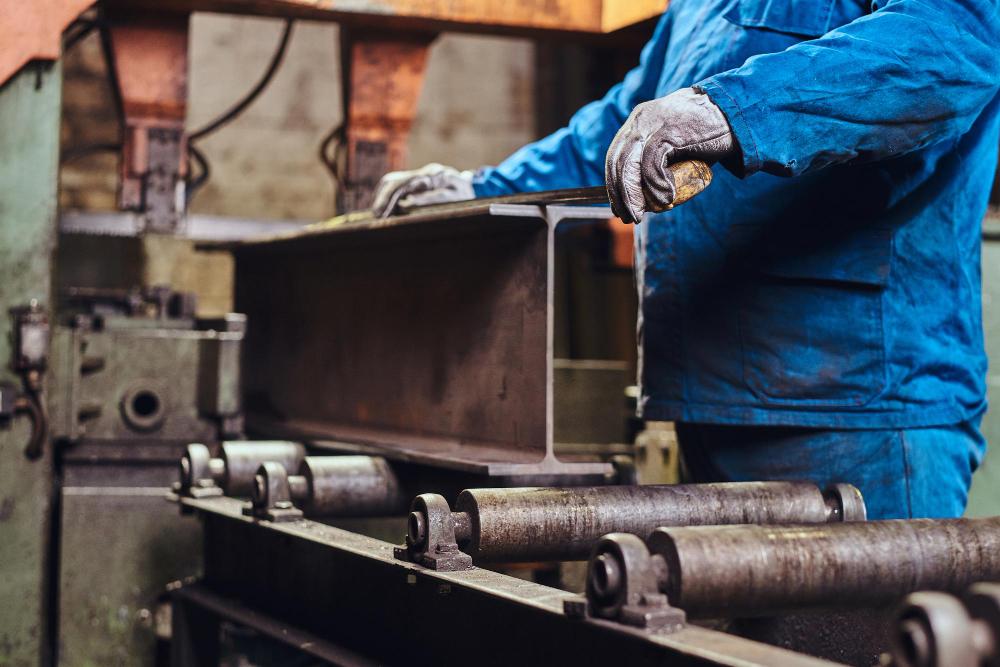
Shipbuilding industries across Southeast Asia continue sourcing specialized steel products engineered for marine environments and load standards. Sourcing steel in the Philippines requires matching global quality standards while handling local shipping constraints. Suppliers within the country provide materials that combine long-term strength with cost-effective sourcing methods. Aligning regional material standards with trusted distribution channels supports project goals for performance and regulatory compliance.
Material Standards and Compliance
Shipbuilding-grade steel requires certifications aligning with global frameworks like ASTM, JIS, and ISO. Structural grades such as A36, SS400, and S235 dominate maritime applications due to their corrosion resistance and tensile strength. Philippine suppliers often prioritize compliance with Philippine National Standards (PNS) to align with local vessel code requirements. Specific marine-grade certifications like ASTM A131/A131M for structural steel and JIS G 3101 for SS400 help compatibility with international shipping regulations.
Supplier Selection Criteria
Evaluating steel in the Philippines for marine projects demands due diligence on supplier capabilities. Key factors include inventory reliability, lead times for large-volume orders, and documentation verification for marine certifications. Companies sourcing materials should confirm whether distributors maintain partnerships with certified mills and provide traceability for each batch. A structured evaluation framework involves reviewing a supplier's ISO 9001 compliance, delivery history, and capacity to handle specialized requests like AH32/DH32 grade sourcing.
Procurement Challenges and Solutions
Import-dependent supply chains in the Philippines create vulnerabilities during global steel price volatility. Regional delivery timelines may extend due to port constraints or island-specific logistics. Mitigating these risks involves selecting suppliers with inland storage facilities and multi-modal transportation networks to maintain consistent material availability. Pre-stock agreements during off-peak seasons also buffer against price escalation and supply gaps during peak shipbuilding cycles.
Application-Specific Grade Selection
Ship construction requires specialized steel types beyond standard structural grades. Hull plating often uses ABS-certified AH32 or DH32 grades, while deck structures might use lighter S235 profiles. Local distributors typically stock these grades but require advance planning to avoid lead-time delays critical for phased construction timelines. The selection depends on mechanical properties: AH32 offers 315 MPa minimum yield strength and enhanced weldability, whereas DH32 provides higher impact resistance at low temperatures for vessels operating in colder waters.
Cost Management Strategies
Budgetary concerns in Philippine shipbuilding projects necessitate balancing material quality with competitive pricing. Buyers should request detailed comparisons between domestic and imported steel options, factoring in freight and customs duty impacts. Establishing long-term supply agreements can stabilize pricing while providing priority inventory allocation during high-demand periods. Comparative analysis of total delivered cost (TDC) often reveals that locally produced steel, despite higher unit pricing, reduces overall expenses due to lower transportation complexity.
Corrosion Resistance and Marine Coatings
Marine environments accelerate steel degradation, making corrosion protection critical. Shipbuilders address this by specifying coatings like hot-dip galvanization (Z100 or higher) or epoxy-based paints for submerged hull sections. Structural steels like SS400 must also meet weathering specifications under ISO 9223 to resist chloride exposure. Local suppliers often collaborate with coating specialists to offer pre-treated steel plates, which reduce on-site processing time. For Philippine waters, where humidity averages 75–85%, dual-phase coatings combining sacrificial anodes (zinc-rich primers) with sealing topcoats enhance durability without increasing weight penalties.
Transportation Infrastructure Across the Archipelago
The Philippines’ fragmented geography complicates large-volume steel shipments. Main shipping terminals in Manila, Cebu, and Davao face periodic cargo backlogs, pushing back inter-island delivery timelines by 5 to 10 days. Mitigation strategies include partnering with logistics providers offering vessel tracking systems and pre-clearance documentation to expedite customs. Regional suppliers with decentralized warehouses, such as those in Batangas or Iloilo, enable staggered just-in-time (JIT) deliveries for shipyards. For example, a 500-metric-ton steel order for a Palawan-based project might split transport into 200-ton batches via Ro-Ro ships and coastal freighters to minimize storage overhead.
Quality Assurance Testing Protocols
Certified mills and distributors follow rigorous testing to validate steel properties before dispatch. Common procedures include tensile testing (ASTM A370) for yield strength, Charpy V-notch (CVN) impact tests at -20°C for low-temperature resilience, and ultrasonic inspection (ASTM A578) for internal defects. Local suppliers often share test results digitally, allowing shipbuilders to verify compliance remotely. In-plant audits, mandated by ISO 17025-certified third parties, maintain consistency across batches. For marine-grade steels, non-destructive testing (NDT) is prioritized to validate weld integrity in fabricated components before vessel assembly.
Welding and Fabrication Considerations
Shipbuilding's complex structures demand steels compatible with submerged arc welding (SAW), flux-cored arc welding (FCAW), and gas metal arc welding (GMAW). Grades like A36 and S235 have carbon equivalence values below 0.45%, allowing weldability without preheating. Local fabrication shops often adopt AWS D1.1 welding codes to standardize joint quality. For thicker AH32/DH32 plates, pre-welding heat treatment and post-weld hydrogen baking prevent cracking. Philippine steel suppliers recommend welding consumables with Ni-Cr-Mo alloys for high-strength applications, maintaining mechanical properties that match base material specifications even under dynamic loading.
Key Takeaway
Steel in the Philippines remains a foundational element for shipbuilding, with compliance standards and supplier capabilities directly impacting project success. Prioritizing certified distributors, understanding marine-grade specifications, and proactively managing procurement risks contribute to reliable steel sourcing for maritime construction. Evaluating material test reports, delivery arrangements, and coating compatibility contributes to long-term project performance.

 English
 Arabic
 French
 Spanish
 Portuguese
 Deutsch
 Turkish
 Dutch
Dutch
 Russian
 Romaian
 Portuguese (Brazil)
 Greek
Greek
