


Niche Construction Supplies in the Philippines for Specialized Projects
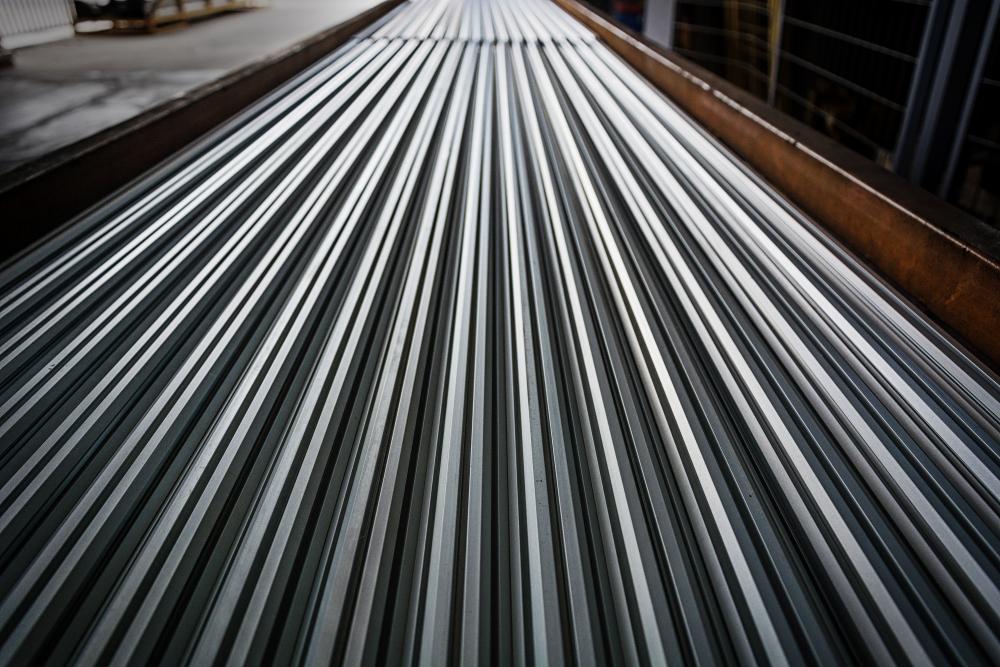
Construction projects in the Philippines require customized materials to fulfill specific structural requirements. To meet these needs safely, sourcing reliable construction supplies in the Philippines is necessary to keep buildings durable and fully compliant with local safety codes. Whether tackling infrastructure in seismic zones or marine-grade developments, sourcing the right steel and alloy components requires expertise in both material properties and supply chain logistics.
Evaluating Supplier Reliability in Niche Steel Procurement
To assess steel supplier reliability, check technical skills, available stock, and compliance history. Look for clear certifications like ISO 9001 or ASTM standards, along with proven experience in coastal or seismic zones. Independent test reports verify material strength, while quick execution of custom orders directly affects project success.
Cost Management Strategies for Imported Construction Materials
Balancing cost and quality is a persistent challenge when sourcing imported construction supplies in the Philippines. Developers should adopt a lifecycle cost-analysis framework, comparing initial price tags against long-term durability and maintenance expenses. Epoxy-coated rebar, for example, may carry higher upfront costs but reduce corrosion-related replacements in humid climates. Negotiating bulk pricing or staggered delivery contracts can also mitigate currency fluctuation risks tied to imported steel. Collaborating with suppliers to identify locally available alternatives for non-critical components—like structural bolts or secondary supports—can further optimize budgets without compromising safety.
Diverse Demands of Specialized Construction
Building types like high-rise frameworks, bridge reinforcements, and industrial facilities require distinct material specifications. Structural steel must balance tensile strength with corrosion resistance, while coastal projects demand alloys capable of withstanding saltwater exposure. These niche requirements necessitate suppliers with global partnerships and inventory depth, providing access to materials suited to the Philippines' varied environmental conditions and engineering standards.
Technology-Driven Inventory Solutions in Steel Distribution
Digital tools are transforming inventory management for specialized steel products. Real-time tracking systems allow developers to monitor stock levels and shipping status, reducing overstocking or shortages. For instance, cloud-based platforms can integrate with supplier warehouses to forecast lead times for critical components like pre-engineered steel beams. Just-in-time delivery models, enabled by GPS and IoT sensors, minimize storage costs while confirming materials arrive precisely when needed. Partnerships with tech-savvy importers who implement these systems can significantly streamline procurement workflows for complex projects.
Sourcing Challenges and Supply Chain Solutions
Procuring specialized construction materials in the Philippines often involves managing fragmented supplier networks and import regulations. Long lead times for custom-finished steel products can disrupt project timelines, especially for remote developments. Effective logistics management—such as strategic warehousing and multi-modal transport coordination—helps mitigate delays. Importers with established regional distribution channels play a pivotal role in maintaining consistent material flow across islands.
Regional Compliance and Custom Documentation Complexities
Managing customs regulations is a critical yet often overlooked aspect of importing steel products. Familiarize yourself with tariff classifications for specific steel grades, such as ASTM A36 or SS400, to avoid unexpected duties. Engaging a local customs broker with experience in heavy industrial goods can expedite clearance processes. Documentation errors—like incomplete bill of lading or inconsistent product codes—are common sources of port congestion, particularly for shipments from multiple international mills. Pre-shipment inspections by recognized agencies can preempt compliance-related delays.
Quality Standards in Steel Products
Meeting international certification benchmarks like ASTM and JIS is non-negotiable for structural integrity. Reputable importers prioritize mills with third-party testing protocols to verify mechanical properties, including yield strength and weldability. On-site inspections and documentation audits further confirm compliance with local building codes, reducing risks of substandard materials entering the supply chain. This rigorous approach safeguards investor confidence and public safety.
Strategic Logistics and Delivery
Precision in delivery scheduling remains important for time-sensitive projects like modular construction. Challenges such as port congestion and last-mile distribution inefficiencies demand contingency planning. Seasonal weather disruptions—typhoons or monsoon rains—necessitate buffer stock management and alternative routing strategies. Active communication between suppliers and project managers minimizes downtime caused by material shortages.
Collaboration Between Suppliers and Project Professionals
Close coordination between engineers and suppliers improves material optimization at the design phase. Technical consultations help identify cost-effective alternatives without compromising performance thresholds. Likewise, substituting conventional rebar with epoxy-coated variants in coastal infrastructure extends asset lifespan. Trustworthy partnerships built on transparent communication and consistent supply reliability reduce procurement complexities for developers.
Sustainability Considerations in Steel Importation
Environmental responsibility is increasingly influencing procurement decisions. While steel production inherently carries a heavy carbon footprint, prioritize suppliers employing energy-efficient smelting techniques or using recycled scrap in their production. Some mills offer environmental product declarations (EPDs), which quantify material lifecycle impacts to support green building certifications like LEED. Reducing excess packaging and consolidating shipments to minimize transportation emissions are additional steps builders can take without sacrificing supply quality.
Key Takeaway
Access to specialized construction supplies in the Philippines hinges on understanding material science, logistics resilience, and quality assurance. Prioritizing certified suppliers with proven international shipping expertise streamlines project execution, particularly for niche builds requiring precise material tolerances and timely delivery across challenging geographies. Thorough vetting of supplier credentials and proactive supply chain management reduce project risks and support long-term infrastructure performance.

 English
 Arabic
 French
 Spanish
 Portuguese
 Deutsch
 Turkish
 Dutch
Dutch
 Italiano
 Russian
 Portuguese (Brazil)
 Greek
Greek
