


Future Trends in Custom Soap Box Packaging
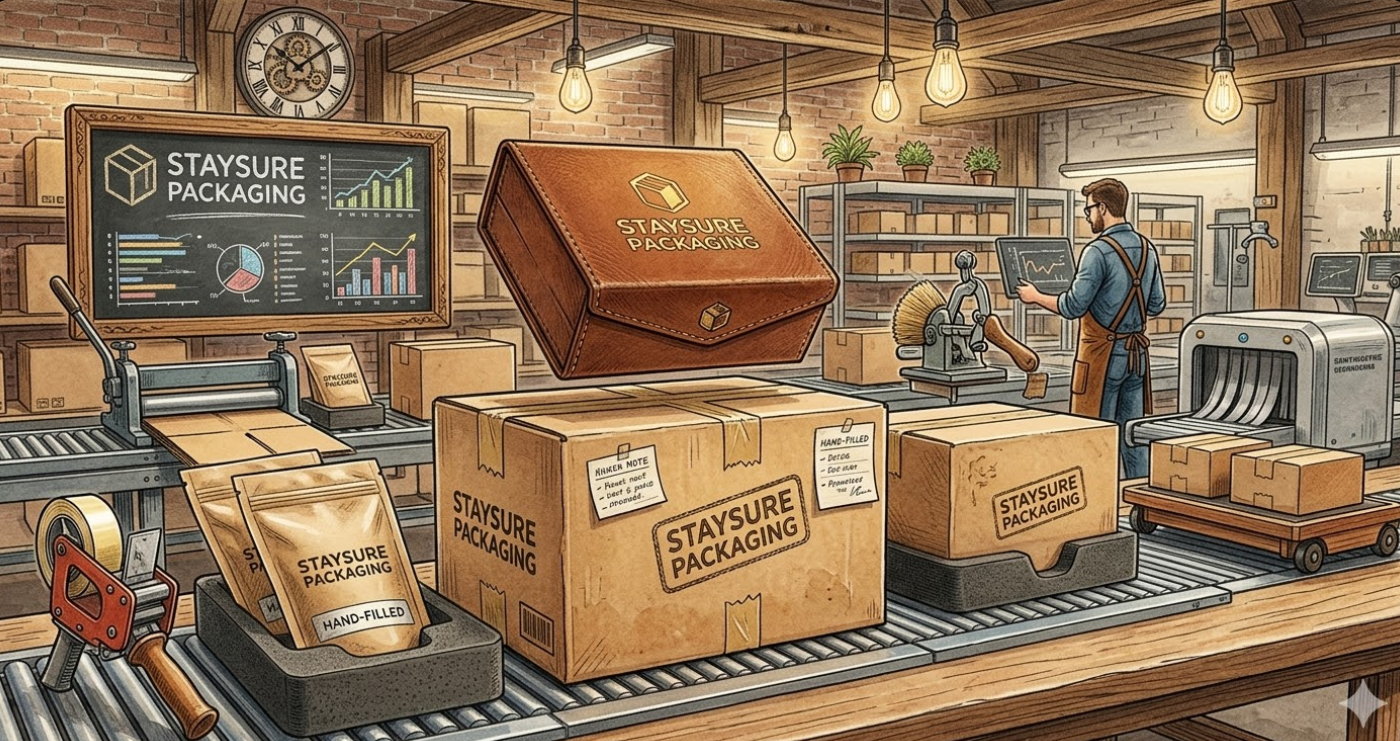
Packaging for soap is shifting fast. Brands face new rules, new materials, and new customer tastes.
This piece walks through market signals, ten trends, and clear steps brands can take next.
Abstract
The landscape around soap packaging is changing because of regulation, materials, and consumer expectation.
Key drivers include sustainability rules, supply chain shifts, printing advances, and demand for clarity on end-of-life.
Readers will get market context, trend breakdowns, practical checklists, and rollout advice they can use.
Global market insights
The soap packaging market shows steady growth with small-format packaging expanding fastest.
Emerging regions in Southeast Asia and Latin America are adding demand for premium and sustainable boxes.
Cosmetics and soap packaging are converging. Many cosmetic brands now use similar finishes and structures.
Trend 1: Sustainability and materials
Recycled board and FSC-certified papers are becoming default choices for soap boxes.
Brands experiment with compostable polymers and rigid cardboard blends for longer shelf life.
Plant-based inks and water-based coatings cut solvents and lower VOCs in production.
Lightweighting reduces transport emissions without losing strength. It saves cost as well.
Some brands have set zero-waste packaging goals and publicly report progress.
Implementation checklist:
- Choose substrate with known recycled content or certification.
- Confirm end-of-life path with local recyclers.
- Validate suppliers for consistent test batches.
Trend 2: Circularity and end-of-life clarity
Designing for recyclability means avoiding mixed materials that are hard to separate.
Take-back and refill programs reduce single-use waste and extend product life.
Barcodes and clear labels guide consumers to recycle correctly.
Designs that encourage reuse create added value. Reusable boxes or tins work well.
Partnerships with waste managers help close the loop and confirm practical recyclability.
Trend 3: Design for consumer experience and branding
A minimalist look serves many natural soap brands. Some prefer maximalist art for gift markets.
Textures, embossing, and foiling create tactile appeal while staying eco-friendly if materials match.
Custom shapes and 3D-printed mockups speed design testing and user feedback loops.
Story-driven packaging that explains scent, origin, and craft builds trust with buyers.
Multi-use packaging that becomes storage or a keepsake increases perceived value.
Trend 4: Printing technologies and visual differentiation
Digital printing makes small batches affordable. It supports personalization and seasonal runs.
Short-run color accuracy has improved. Metallic effects can be simulated without foil in some cases.
Brands use printing to show diverse skin tones across product lines and imagery.
QR codes and AR can embed stories, usage tips, or traceability details on the pack.
Security features can include tamper evidence and simple authenticity marks.
Trend 5: Form, fit, and protection
Structural design must prevent crushing in transport while keeping shelf appeal.
Inner liners and corrugate choices protect against moisture and oil contact.
Water resistance matters for wet environments. Choose coatings that match recyclability goals.
Ergonomics such as easy opening and tidy storage improve daily use.
Trend 6: Regulatory landscape and compliance
Packaging waste directives differ by region and affect material choices and labeling.
Ingredient, allergen, and origin labels are increasingly enforced at retail level.
Child-resistance rules apply for certain soap additives or liquid products.
Reporting on sustainability often ties into corporate filings and public claims.
Trend 7: Supply chain resilience and sourcing
Nearshoring reduces lead times and risk from global transport delays.
Alternative fiber sources help avoid single-supplier dependence.
Digital supplier networks improve visibility into bills of materials and costs.
Hedging materials and multi-sourcing soften the impact of volatile paper and ink prices.
Trend 8: Sustainability metrics and lifecycle assessment
Life-cycle assessment helps compare board, polymer, and mixed options using real data.
Common KPIs include recyclability rate and post-consumer recycled content.
Carbon footprint for a box can guide material and transport choices.
Transparent reporting builds consumer trust and clarifies trade-offs.
Trend 9: Customization at scale
Configurators let customers add names or messages to boxes for special runs.
Variable data printing supports personalized campaigns and loyalty rewards.
Mass customization balances cost and speed. Limited editions keep costs manageable.
Co-creation with customers drives excitement and repeat purchases.
Trend 10: Market shifts and consumer expectations
Buyers want clean labels and ingredient transparency on soap packaging.
Many consumers prefer brands that commit publicly to sustainability targets.
Different generations pick different aesthetics. Gen Z leans toward bold, responsive design.
Implementation strategies for soap brands
Start with a packaging audit that maps current materials and end-of-life flows.
Select materials that meet both performance and recycling goals.
Design for recyclability and make consumer disposal clear on the pack.
Build testing for drop, moisture, and shelf life into each launch plan.
Run pilot programs and scale after pilot validation.
Work closely with suppliers for continuous improvement and innovation.
Case studies and lessons learned
Example brand A moved to 100% recycled board and soy-based inks. Costs rose briefly, then fell.
Example brand B used digital printing for small-batch personalization and saw higher repeat sales.
Example brand C launched a take-back program tied to refill stations in local stores.
Key takeaways: test first, measure real recycling rates, and train retail partners.
Future forecast and roadmap
Over 3–5 years, expect more recycled-content mandates and better compostable options.
Printing will become cheaper for short runs. Personalization will scale up.
Roadmap for brands: audit, pilot materials, measure results, then scale production.
Plan investments across testing, supplier partnerships, and small-batch capabilities.
Practical guidelines and checklists
Material selection decision tree should weigh recyclability, cost, and performance.
Supplier checklist: certifications, minimum order quantities, and delivery reliability.
Testing protocol must include drop, moisture exposure, and accelerated shelf life.
End-of-life communication should be simple and visual on the box.
Budget for testing, tooling, and initial higher per-unit costs during pilots.
Common pitfalls and risk management
Do not overestimate how much consumers will sort and recycle without clear guidance.
Balance looks with material choice. Some premium finishes block recycling.
Plan for supply shocks in raw materials and keep backup sources ready.
Check regional labeling rules carefully to avoid fines or recalls.
Conclusion
Soap packaging will center on clearer end-of-life paths and better material matches.
Brands that test, measure, and partner locally will move faster and cut risk.
Practical steps now can reduce cost and build brand trust over time.
Appendices
Glossary: Post-consumer recycled content (PCR), FSC, LCA, VOCs.
Resources: Look for certified board suppliers and local recyclers listed by region.
Templates: Create simple spec sheets and testing checklists before ordering.
Practical links and supplier note
If you need examples of vendors, explore options for modern custom soap packaging that match these trends.
FAQs
How long does a packaging switch usually take?
Plan for 6 to 12 months from design to full production. Simple swaps can finish faster.
What is the most impactful change for sustainable soap boxes?
Switching to recycled or certified board usually reduces footprint the most. It also keeps recycling systems intact.
Can tactile finishes be sustainable?
Yes. Embossing and blind debossing add texture without extra coatings. Choose compatible inks and adhesives.
How do I validate recyclability in my market?
Test with local material recovery facilities. Run small batches and ask recyclers for feedback.
Is digital printing cost-effective for small soap brands?
Digital printing cuts setup costs and supports short runs. It suits personalization and seasonal packaging.

 English
 French
 Spanish
 Portuguese
 Deutsch
 Turkish
 Dutch
Dutch
 Italiano
 Russian
 Romaian
 Portuguese (Brazil)
 Greek
Greek
