


Eco-Friendly Wooden Trays: Why They're Worth Buying
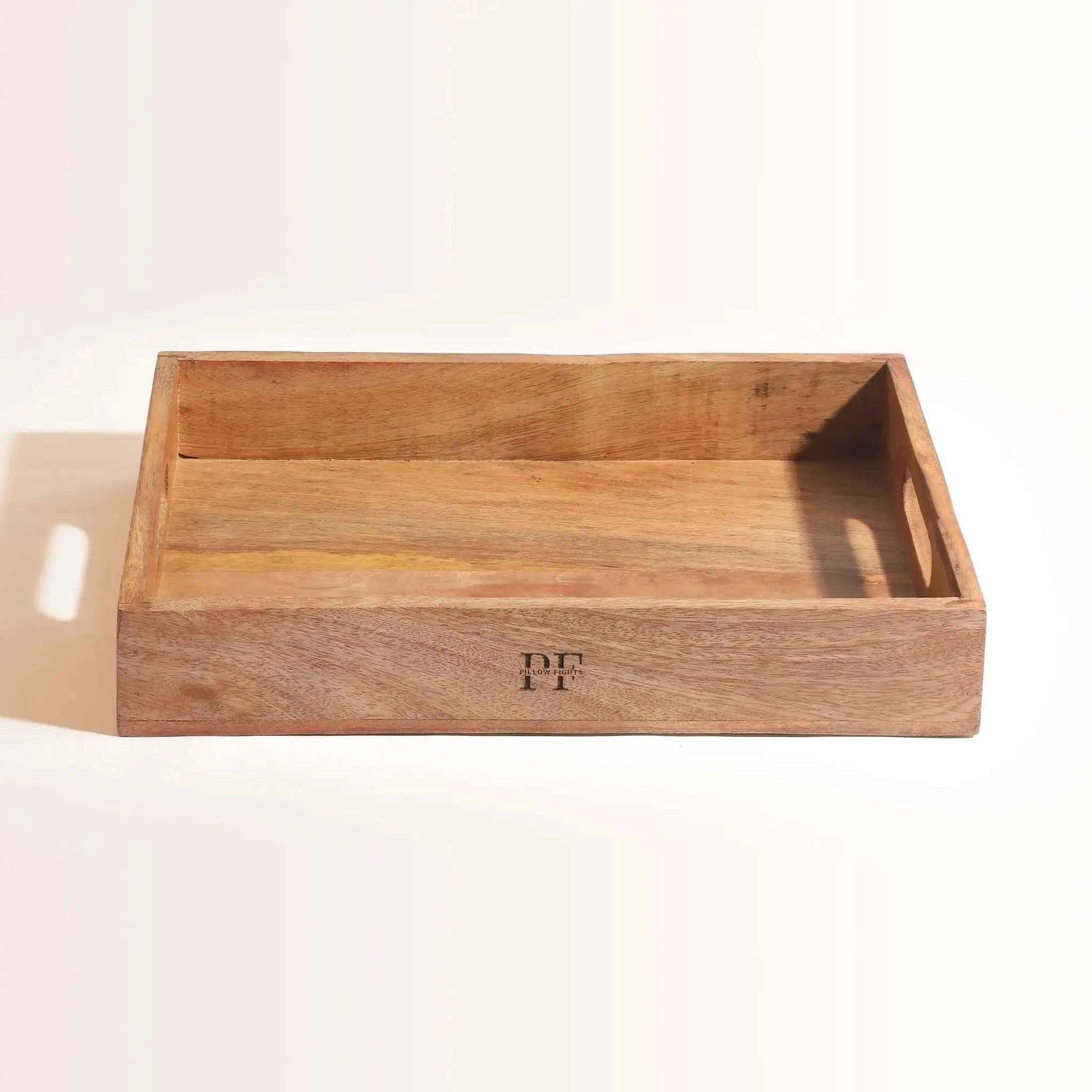
As more people rethink the environmental impact of the products they bring into their homes, wooden trays have emerged as a genuinely sustainable alternative to plastic and synthetic serveware. But not all wooden trays are created with sustainability in mind, and understanding what actually makes a tray eco-friendly can help you shop more thoughtfully.
Why Wood Is a Naturally Sustainable Choice
Wood is a renewable resource, particularly when sourced responsibly from trees that regenerate over manageable timeframes. Unlike plastic, which is derived from fossil fuels and takes hundreds of years to break down in landfills, a wooden tray is biodegradable and, at the end of its long life, returns to the earth without leaving behind the kind of persistent waste plastic products do.
Choosing a wooden tray over a plastic or melamine alternative also tends to support better indoor air quality, since natural wood doesn't off-gas the volatile compounds sometimes associated with synthetic materials, particularly when finished with natural oils or water-based sealants rather than heavy chemical lacquers.
The Sustainability Story Behind Mango and Acacia Wood
Two of the most common woods used in tray-making — mango and acacia — carry particularly strong sustainability credentials. Mango wood is typically harvested from trees that have already completed their productive fruit-bearing life, meaning the timber comes from what would otherwise be a byproduct of agricultural cycles rather than newly cleared forest. This makes mango wood trays a genuinely responsible choice that repurposes existing resources rather than depleting new ones.
Acacia trees, meanwhile, grow quickly and are often cultivated specifically for timber, which reduces pressure on slow-growing, old-growth forests. Both options allow manufacturers to create beautiful, durable trays without relying on unsustainable logging practices.
Why Longevity Matters for Sustainability
One of the most overlooked aspects of eco-friendly shopping is durability. A cheaply made tray that cracks or warps within a year and ends up in a landfill is far less sustainable than a well-made one that lasts for a decade or longer, even if the materials themselves were sourced responsibly. This is why investing in quality construction matters just as much as the wood type itself when shopping with sustainability in mind.
Well-crafted serving trays built with proper joinery and a durable, food-safe finish will naturally outlast poorly constructed alternatives, reducing the frequency of replacement and, by extension, your overall environmental footprint over time.
Choosing Natural and Low-Impact Finishes
The finish applied to a wooden tray also plays a role in its overall environmental impact. Natural oil finishes, such as beeswax or food-grade mineral oil, tend to have a much lower environmental footprint than synthetic lacquers, while still offering reasonable protection against moisture and daily wear. If sustainability is a top priority, look specifically for trays labeled as finished with natural oils or water-based sealants rather than solvent-heavy varnishes.
That said, there's a practical tradeoff to consider — natural oil finishes typically require more frequent reapplication to maintain their protective qualities, so factor in a bit of ongoing maintenance if you choose this route.
Supporting Ethical and Artisanal Production
Beyond the material itself, sustainability also extends to how a tray is made and who makes it. Trays produced by artisan communities using traditional woodworking techniques often involve significantly less energy consumption compared to large-scale industrial manufacturing. Supporting these artisans also has a broader positive impact, helping sustain traditional craft skills and local economies alongside the environmental benefits.
When shopping, look for brands that are transparent about their sourcing and manufacturing processes, since this transparency is usually a good indicator of genuine commitment to sustainable practices rather than surface-level marketing.
Rounding Out an Eco-Conscious Table Setting
If sustainability matters to you across your whole home, consider extending that thinking to your other serveware as well. Pairing your wooden tray with natural material pieces, such as a handi made from copper and steel, creates a table setting built around durable, long-lasting materials rather than disposable alternatives, reinforcing a genuinely sustainable approach to how you eat and entertain at home.
Final Thoughts
Eco-friendly wooden trays offer a rare combination of genuine environmental responsibility, timeless style, and everyday practicality. By paying attention to wood sourcing, finish, and overall build quality, you can make a purchase that's not just good for your home, but genuinely better for the planet in the long run.

 Arabic
 French
 Spanish
 Portuguese
 Deutsch
 Turkish
 Dutch
Dutch
 Italiano
 Russian
 Romaian
 Portuguese (Brazil)
 Greek
Greek
