


Racking System in the Philippines: 10 Common Mistakes Warehouses Make
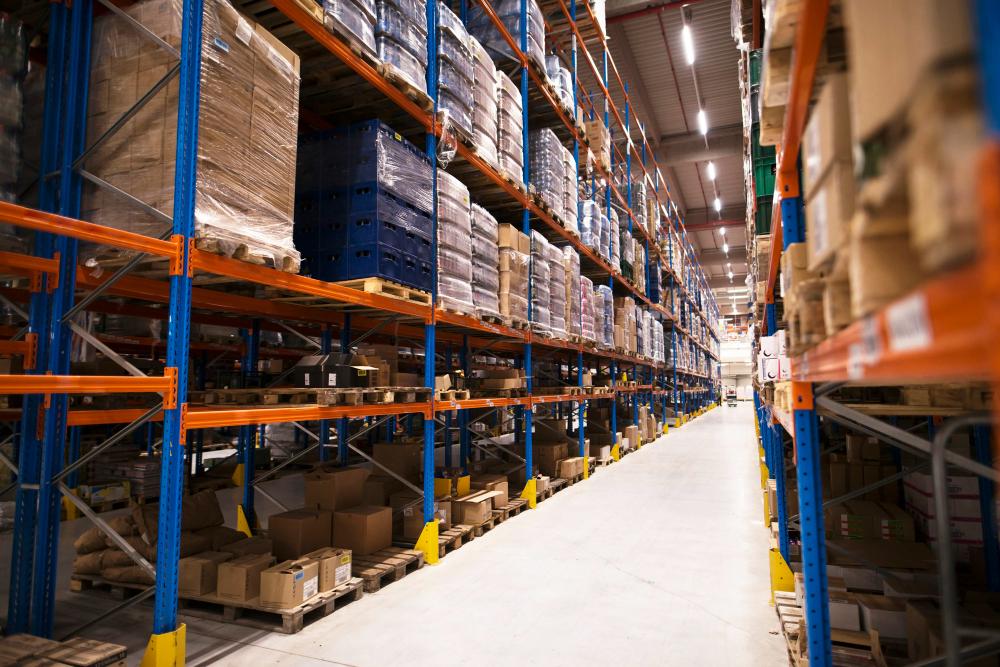
Directly stacking inventory on storage floors not only makes inefficient use of vertical space but also poses physical risks to floor employees. To solve this space issue, businesses can use a racking system in the Philippines to organize their heavy inventory and safely maximize indoor capacity. However, making minor setup errors can cause structural damage or lead to severe workplace accidents. But common storage mistakes can be avoided while protecting warehouse staff and keeping daily operations running without delay.
What Causes Racking System Hazards?
Understanding Structural Weight Limits
Exceeding specified load limits causes metal beams to bend out of shape permanently over time. Operators often stack extra pallets on higher levels without checking official capacity plates first. This extra weight puts heavy stress on vertical uprights and increases the risk of collapse.
Recognizing Floor Rating Problems
Installing heavy steel racks on uneven or weak concrete floors creates dangerous stability issues across rows. Floor slabs must support the combined weight of steel frames and fully loaded pallets without cracking. Ignoring floor capacity ratings leads to sagging bases and loose anchor bolts.
Identifying Physical Impact Damage
Forklift drivers occasionally strike rack uprights while backing out of tight aisle spaces quickly. Minor dents weaken the structural integrity of steel columns and reduce their load capacity significantly. Unnoticed impact damage can cause whole storage frames to buckle under normal loads.
Misunderstanding Frame Design Choices
Selecting selective pallet racks for high-density bulk storage often creates spatial clutter and organization confusion. Different inventory types require specific frame configurations like drive-in racks or push-back systems. Choosing wrong frame styles forces workers to overload single beam levels unnecessarily.
Why Do These Common Storage Mistakes Happen?
Skipping Regular Facility Inspections
Busy operations often delay routine checks to focus entirely on daily shipping quotas and order fulfillment. Skipping weekly visual checks allows minor frame damage to go unnoticed for several months. Unaddressed structural issues slowly turn into expensive repairs or sudden equipment failures.
Ignoring Proper Driver Training Routines
Untrained forklift operators frequently misjudge distances when lifting heavy loads into high rack bays. Careless driving leads to frequent collisions with lower uprights and cross-beam supports. Proper training teaches operators to maneuver safely around tight aisle corners.
Neglecting Correct Loading Patterns
Placing heavy pallets on upper shelves while leaving lower levels empty makes the structure top-heavy. Unbalanced weight distribution puts uneven pressure on vertical columns and base plates. Always place the heaviest loads on the bottom levels to maintain a stable center of gravity.
Overlooking Earth Movement Support Braces
Many facility managers forget to add sway braces to hold upright frames steady during ground tremors. Strong sway braces absorb vibrations and stop heavy steel frames from twisting during sudden movements. Leaving out diagonal support braces causes entire rack structures to lean permanently over time.
How to Prevent Common Storage Errors?
How to Prevent Weight Capacity Oversights
Attach clear load capacity labels to every beam level so workers see weight limits easily. Train warehouse staff to weigh incoming pallets before lifting them onto upper storage shelves. Keeping accurate weight records prevents accidental overloading across all storage bays.
How to Stop Impact Damage from Machinery
Install heavy-duty steel column protectors around the base of every outer rack upright. These protective guards absorb hits from forklift forks and keep metal columns straight. Adding end-of-aisle barriers shields vulnerable row corners from turning machinery.
How to Correct Poor Floor Anchoring Methods
Anchor every vertical upright directly into the concrete floor using rated mechanical expansion bolts. Check anchor bolts during monthly maintenance checks to fix loose fittings promptly. Solid floor anchoring prevents racks from shifting or tipping when loads move.
How to Avoid Improper Pallet Placement
Slide pallets all the way back onto support beams so weight rests evenly on both sides. Avoid using broken or damaged wooden pallets that might sag through steel support beams. Inspecting wooden pallets before loading keeps inventory secure on high shelves.
How to Maintain Proper Overhead Clearance Space
Leave adequate empty space between top pallet items and ceiling water sprinkler systems. Blocking ceiling sprinklers prevents water from spreading properly during emergency fire situations. Maintaining clear vertical space protects stored inventory and meets local facility safety standards.
How to Enforce Worker Safety Equipment Rules
Require all warehouse workers to wear hard hats and steel-toe boots near high storage bays. Personal protective gear protects workers from falling debris or accidental foot injuries during loading operations. Enforcing daily safety gear rules builds a cautious working environment for every team member.
Key Takeaway
Correcting daily operational habits prevents severe storage accidents and keeps facility workflows moving without interruption. Maintaining a racking system in the Philippines correctly provides long-term safety benefits for workers and protects valuable inventory items. Routine inspections and proper staff training guarantee a safe storage space for many years ahead.

 English
 Arabic
 French
 Spanish
 Portuguese
 Deutsch
 Turkish
 Dutch
Dutch
 Italiano
 Russian
 Romaian
 Greek
Greek
