


How does a Modular Ophthalmic OT Setup Company ensure infection control and sterility?
INTRODUCTION
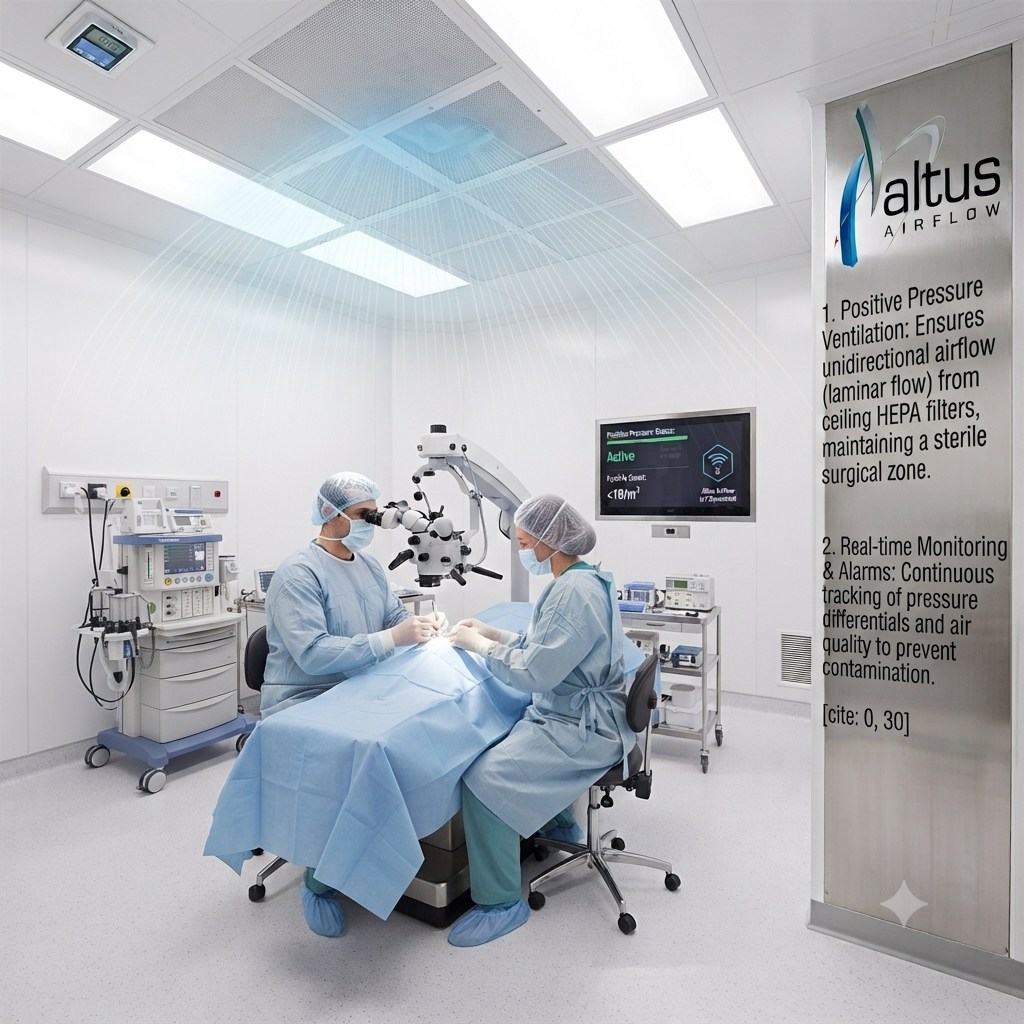
Infection prevention is one of the highest priorities in ophthalmic surgery because eye procedures involve delicate tissues that are highly susceptible to contamination. A Modular Ophthalmic OT Setup Company plays a vital role in designing and constructing operation theatres that maintain the highest standards of cleanliness, sterility, and environmental control. Through advanced cleanroom engineering, modular construction, laminar airflow technology, HEPA filtration, intelligent HVAC systems, and strict validation procedures, these companies create surgical environments that significantly reduce the risk of airborne and surface contamination.
Modern ophthalmic operation theatres are far more than standard surgical rooms. They are carefully engineered spaces where every element—from the walls and ceilings to the airflow system and lighting—is designed to support infection control. This blog explains how a Modular Ophthalmic OT Setup Company ensures infection control and sterility while helping healthcare facilities achieve safe, compliant, and efficient surgical environments.
Why Infection Control Is Critical in Ophthalmic Operation Theatres
Eye surgeries such as cataract removal, glaucoma treatment, corneal transplantation, LASIK, and retinal procedures require an exceptionally sterile environment. Even microscopic airborne particles or bacterial contamination can lead to complications, prolonged recovery, or serious postoperative infections.
Effective infection control helps:
- Reduce surgical site infections
- Protect patients and healthcare professionals
- Improve surgical outcomes
- Maintain regulatory compliance
- Enhance operating theatre efficiency
- Support long-term patient safety
For these reasons, infection prevention is integrated into every stage of modular OT planning and construction.
Understanding a Modular Ophthalmic Operation Theatre
A modular ophthalmic operation theatre is a purpose-built surgical facility that combines modular construction with advanced environmental control systems.
Its infrastructure typically includes:
- Modular wall panels
- Modular ceiling systems
- Laminar airflow units
- HEPA filtration
- HVAC systems
- Medical gas pipelines
- LED surgical lighting
- Automatic sliding doors
- Environmental monitoring systems
These components work together to maintain sterile operating conditions.
1. Laminar Airflow Technology
One of the most important infection control measures is the installation of laminar airflow systems.
Laminar airflow provides:
- Uniform airflow
- Continuous HEPA-filtered air supply
- Removal of airborne particles
- Reduced microbial contamination
- Stable clean air circulation
The airflow moves contaminants away from the surgical field, reducing the risk of infection.
2. High-Efficiency HEPA Filtration
HEPA filters are designed to remove up to 99.97% of airborne particles measuring 0.3 microns.
Benefits include:
- Cleaner indoor air
- Reduced bacterial contamination
- Improved air quality
- Consistent filtration performance
HEPA filtration is essential for maintaining sterile ophthalmic operating environments.
3. Positive Pressure Ventilation
Positive pressure prevents contaminated air from entering the operation theatre.
This system works by:
- Maintaining higher room pressure
- Preventing inward airflow
- Protecting sterile surgical zones
- Supporting clean air circulation
Positive pressure significantly reduces contamination from adjacent areas.
4. Advanced HVAC Systems
A specialized HVAC system controls environmental conditions throughout the operation theatre.
Functions include:
- Temperature regulation
- Humidity control
- Air exchange management
- Pressure control
- Air purification
Stable environmental conditions improve both infection control and surgeon comfort.
5. Antimicrobial Modular Wall Panels
Modern modular wall panels are manufactured using materials that resist microbial growth.
Features include:
- Smooth surfaces
- Antibacterial coatings
- Chemical resistance
- Moisture resistance
- Easy cleaning
These panels reduce dust accumulation and simplify routine disinfection.
6. Seamless Modular Ceiling Systems
Ceiling systems are designed without exposed joints that may trap dust or microorganisms.
Advantages include:
- Smooth finishes
- Easy maintenance
- Integrated airflow diffusers
- Lighting integration
- Utility access
Seamless construction contributes to cleaner surgical environments.
7. Seamless Conductive Flooring
Specialized flooring helps maintain hygiene while improving safety.
Key features include:
- Joint-free installation
- Chemical resistance
- Anti-static properties
- Slip resistance
- Easy cleaning
Seamless flooring minimizes dirt accumulation and bacterial growth.
8. Automatic Hermetically Sealed Doors
Automatic sliding doors improve contamination control by reducing unnecessary contact.
Benefits include:
- Airtight sealing
- Reduced air leakage
- Contact-free operation
- Controlled room access
These doors help preserve positive pressure inside the OT.
9. Hands-Free Scrub Stations
Scrub stations positioned outside the OT support proper surgical hand hygiene.
Features include:
- Sensor-operated water flow
- Hands-free controls
- Stainless steel construction
- Easy sanitation
Proper hand preparation is an essential component of infection prevention.
10. Medical Gas Pipeline Integration
Medical gas systems are installed using clean installation practices to maintain sterility.
Typical gas supplies include:
- Oxygen
- Medical air
- Vacuum
- Nitrous oxide
Reliable gas delivery supports uninterrupted surgical procedures.
11. Advanced LED OT Lighting
Modern LED surgical lights generate significantly less heat than traditional lighting systems.
Advantages include:
- Lower heat production
- Shadow-free illumination
- Adjustable brightness
- Improved visibility
Reduced heat helps maintain stable operating room conditions.
12. Environmental Monitoring Systems
Digital monitoring continuously measures environmental parameters.
Typical monitoring includes:
- Temperature
- Humidity
- Air pressure
- Particle count
- Filter performance
Continuous monitoring allows immediate corrective action when required.
13. Controlled Equipment Integration
Proper placement of ophthalmic equipment minimizes unnecessary movement inside the OT.
Equipment typically includes:
- Operating microscopes
- Phacoemulsification systems
- Patient monitors
- Surgical pendants
- Anesthesia workstations
Organized layouts reduce workflow interruptions and contamination risks.
14. Cleanroom Engineering Principles
Professional setup companies follow cleanroom engineering practices throughout the project.
These include:
- Controlled zoning
- Airflow planning
- Pressure differentials
- Utility segregation
- Material compatibility
Proper engineering creates a contamination-controlled environment.
15. Air Change Management
Adequate air exchange helps remove airborne contaminants efficiently.
Benefits include:
- Improved air cleanliness
- Reduced microbial load
- Consistent environmental conditions
- Better surgical safety
Proper air changes are essential for maintaining sterile conditions.
16. Routine Validation and Testing
Before project handover, the operation theatre undergoes comprehensive validation.
Testing includes:
- HEPA filter integrity testing
- Airflow testing
- Air velocity measurement
- Pressure testing
- Particle count verification
- HVAC performance evaluation
Validation confirms that all systems perform according to design specifications.
17. Maintenance Programs
Long-term infection control depends on regular maintenance.
Professional setup companies provide:
- HEPA filter replacement
- HVAC servicing
- Airflow balancing
- Equipment inspection
- Preventive maintenance
Routine servicing ensures continued system reliability.
18. Staff Training
Healthcare personnel receive training on maintaining sterile environments.
Training includes:
- Infection control protocols
- Equipment operation
- Cleaning procedures
- Emergency response
- Routine inspections
Well-trained staff contribute significantly to long-term infection prevention.
Benefits of Professional Infection Control Measures
A professionally designed modular ophthalmic OT provides numerous advantages:
- Lower infection rates
- Better patient outcomes
- Enhanced surgeon confidence
- Improved workflow efficiency
- Reduced maintenance requirements
- Easier cleaning
- Compliance with healthcare standards
- Long-term operational reliability
These benefits improve both patient care and hospital performance.
Future Trends in Infection Control
Technology continues to improve infection prevention in ophthalmic operation theatres.
Emerging innovations include:
- AI-enabled environmental monitoring
- Smart airflow management
- IoT-based HVAC controls
- Predictive maintenance systems
- Advanced antimicrobial materials
- Automated environmental reporting
These technologies further strengthen sterility and operational efficiency.
Conclusion
A Modular Ophthalmic OT Setup Company ensures infection control and sterility through advanced cleanroom engineering, laminar airflow systems, HEPA filtration, intelligent HVAC design, positive pressure ventilation, antimicrobial modular construction, seamless flooring, environmental monitoring, routine validation, and preventive maintenance. Every component is carefully integrated to create a contamination-controlled environment that supports precise ophthalmic surgeries while protecting patients and healthcare professionals. Healthcare facilities seeking reliable modular ophthalmic operation theatre solutions can benefit from the comprehensive expertise and turnkey services provided by Altus Airflow.
Frequently Asked Questions
1. How does a Modular Ophthalmic OT Setup Company maintain infection control?
A Modular Ophthalmic OT Setup Company maintains infection control by installing laminar airflow systems, HEPA filtration, positive pressure ventilation, antimicrobial wall panels, seamless flooring, advanced HVAC systems, and environmental monitoring equipment.
2. Why is laminar airflow important in a Modular Ophthalmic OT Setup Company project?
Laminar airflow installed by a Modular Ophthalmic OT Setup Company delivers HEPA-filtered air in a uniform flow, reducing airborne contaminants and helping maintain sterile surgical conditions.
3. Does a Modular Ophthalmic OT Setup Company perform validation after installation?
Yes, a Modular Ophthalmic OT Setup Company performs airflow testing, HEPA filter integrity testing, particle count verification, pressure testing, HVAC evaluation, and commissioning before handing over the operation theatre.
4. What materials does a Modular Ophthalmic OT Setup Company use to improve sterility?
A Modular Ophthalmic OT Setup Company typically uses antimicrobial modular wall panels, seamless ceilings, chemical-resistant finishes, anti-static flooring, and hermetically sealed doors to improve hygiene and reduce contamination.
5. Does a Modular Ophthalmic OT Setup Company provide maintenance services?
Yes, a Modular Ophthalmic OT Setup Company usually offers preventive maintenance, HEPA filter replacement, HVAC servicing, airflow balancing, technical support, and Annual Maintenance Contracts to ensure long-term infection control.
Read Our Previous Blog------>How long does a Laminar Airflow System Setup Company take to complete a project?

 English
 Arabic
 French
 Spanish
 Deutsch
 Turkish
 Dutch
Dutch
 Italiano
 Russian
 Romaian
 Portuguese (Brazil)
 Greek
Greek
