


Property Inspection Guide: Process, Benefits & Tips
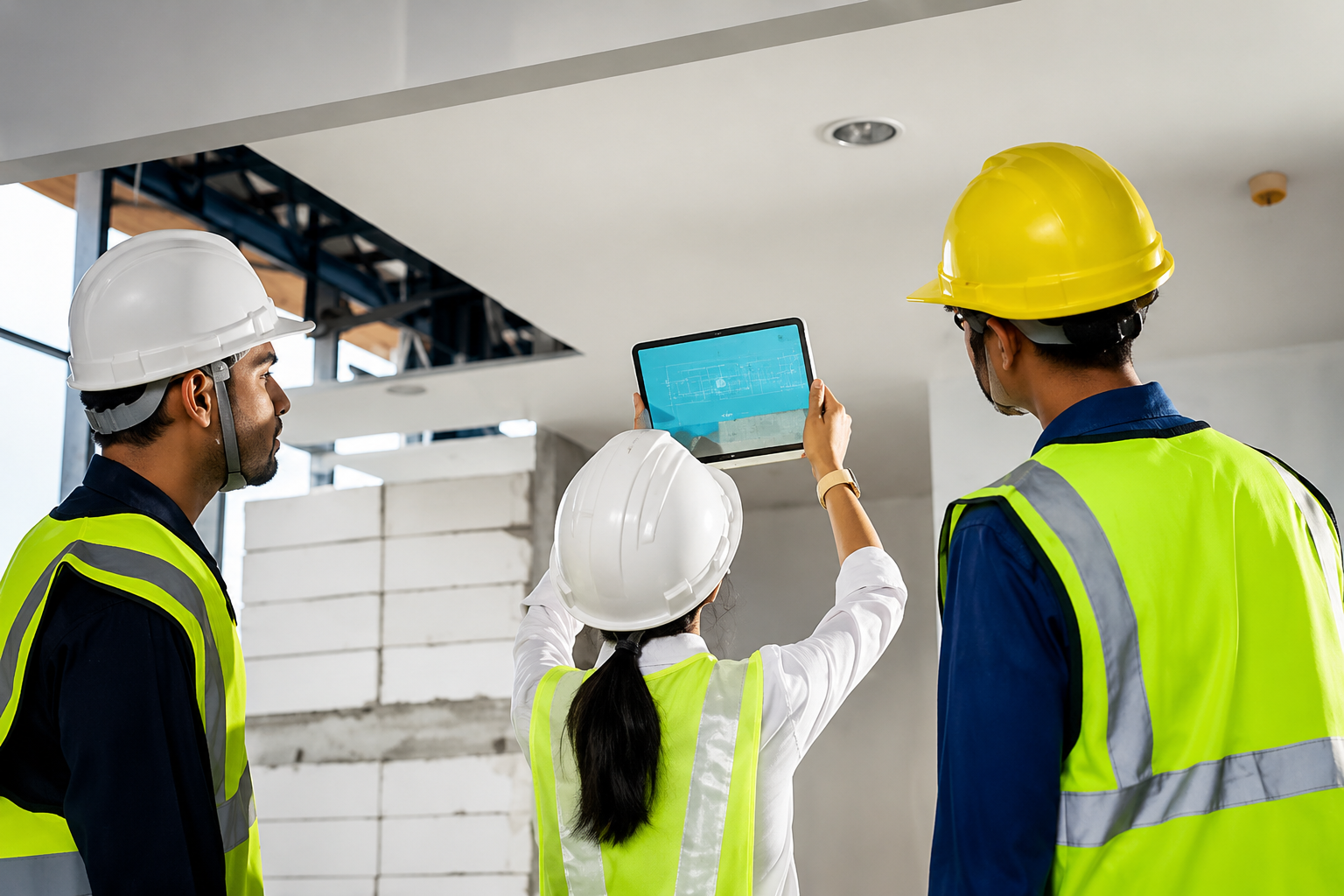
Property inspection is an important process in real estate that helps buyers, sellers, and homeowners understand the actual condition of a property. It involves a detailed examination of a building’s structure, systems, and overall condition to identify any defects, safety issues, or maintenance needs. Whether you are buying a new home or selling an old one, a property inspection ensures transparency and helps in making informed decisions.
What Is Property Inspection?
Property inspection is a professional evaluation of a building’s physical condition. A qualified inspector checks various parts of the property, including the roof, walls, plumbing, electrical systems, flooring, and foundation. The purpose is to detect problems that may not be visible during a normal visit. This process helps buyers avoid unexpected repair costs and ensures that the property is safe and worth its price.
Importance of Property Inspection
Property inspection is important because it protects both buyers and sellers from future risks. For buyers, it provides a clear picture of the property’s condition before making a financial commitment. For sellers, it helps identify issues that can be fixed before listing the property, increasing its value and marketability. It also reduces the chances of disputes after the sale is completed.
Types of Property Inspection
There are different types of property inspections depending on the purpose and stage of the transaction. Residential inspection focuses on homes and apartments, while commercial inspection is used for office buildings and business spaces. New construction inspection checks whether a newly built property meets safety standards, and pre-purchase inspection is done before buying a property to ensure there are no hidden issues.
Process of Property Inspection
The property inspection process begins with scheduling an appointment with a certified inspector. The inspector then visits the property and examines all major components step by step. This includes structural elements, roofing, plumbing, electrical wiring, heating and cooling systems, and interior conditions. After the inspection, a detailed report is prepared highlighting any issues, risks, and recommended repairs.
Structural Inspection
Structural inspection focuses on the strength and stability of the building. The inspector checks the foundation, walls, ceilings, beams, and roof structure for cracks, moisture damage, or signs of weakness. A strong structure is essential for safety, and any structural issues must be addressed immediately to prevent serious damage in the future.
Electrical System Inspection
Electrical inspection ensures that all wiring, circuits, switches, and outlets are functioning safely. Faulty electrical systems can lead to fire hazards or power failures. The inspector checks for outdated wiring, overloaded circuits, and proper grounding to ensure the system meets safety standards.
Plumbing System Inspection
Plumbing inspection involves checking water supply lines, drainage systems, pipes, faucets, and water heaters. The inspector looks for leaks, corrosion, blockages, and water pressure issues. Proper plumbing is essential for hygiene, water efficiency, and overall property functionality.
Roof Inspection
Roof inspection is a key part of property inspection because the roof protects the entire building. The inspector checks for missing shingles, leaks, water damage, insulation problems, and overall roof condition. A damaged roof can lead to serious structural issues if not repaired on time.
Interior Inspection
Interior inspection includes checking walls, ceilings, floors, doors, and windows. The inspector looks for cracks, dampness, mold, and poor finishing. Proper insulation, ventilation, and interior condition play an important role in comfort and property value.
Exterior Inspection
Exterior inspection focuses on the outside structure of the property, including walls, paint, drainage, driveway, and landscaping. The inspector ensures that there are no cracks, water pooling, or structural damage that could affect the building’s durability.
Benefits of Property Inspection
Property inspection offers many benefits, such as identifying hidden problems, saving repair costs, improving negotiation power, and ensuring safety. It also gives peace of mind to buyers and helps sellers present their property in better condition. Overall, it is a valuable step in any real estate transaction.
Property Inspection for Buyers
For buyers, property inspection is essential before finalizing a purchase. It helps them understand the true condition of the property and avoid expensive surprises in the future. Buyers can also use the inspection report to negotiate a better price or request repairs from the seller.
Property Inspection for Sellers
Sellers can also benefit from property inspection by identifying issues before listing their property. Fixing these problems in advance increases the property’s value and makes it more attractive to potential buyers. It also speeds up the selling process and builds trust with buyers.
Common Issues Found in Property Inspection
During property inspection, inspectors often find issues such as water leakage, electrical faults, structural cracks, poor insulation, and plumbing problems. Identifying these issues early helps prevent further damage and reduces repair costs.
Cost of Property Inspection
The cost of property inspection depends on the size, location, and type of property. Larger properties or commercial buildings usually cost more to inspect. However, the cost of inspection is small compared to the potential savings from avoiding major repairs in the future.
How to Choose a Property Inspector
Choosing the right property inspector is important for accurate results. Always select a certified and experienced inspector with good reviews and industry knowledge. A professional inspector provides a detailed and reliable report that helps in decision-making.
Property Inspection Report
After completing the inspection, the inspector provides a detailed report that includes findings, photographs, and recommendations. This report helps buyers and sellers understand the condition of the property clearly and plan necessary actions accordingly.
Property Inspection Tips
Before a property inspection, it is important to prepare the property by cleaning, fixing minor issues, and ensuring access to all areas. Buyers should attend the inspection if possible to understand the findings directly. Reading the report carefully helps in making informed decisions.
Conclusion
Property inspection is a crucial step in any real estate transaction. It ensures transparency, safety, and financial security for both buyers and sellers. By identifying hidden issues and providing a clear assessment of the property’s condition, it helps people make smart and confident decisions. Whether you are buying, selling, or maintaining a property, inspection plays an essential role in protecting your investment and avoiding future problems.

 English
 Arabic
 French
 Spanish
 Portuguese
 Deutsch
 Turkish
 Italiano
 Russian
 Romaian
 Portuguese (Brazil)
 Greek
Greek
