


How Pediatric Home Health Services Help Medically Fragile Children Thrive at Home
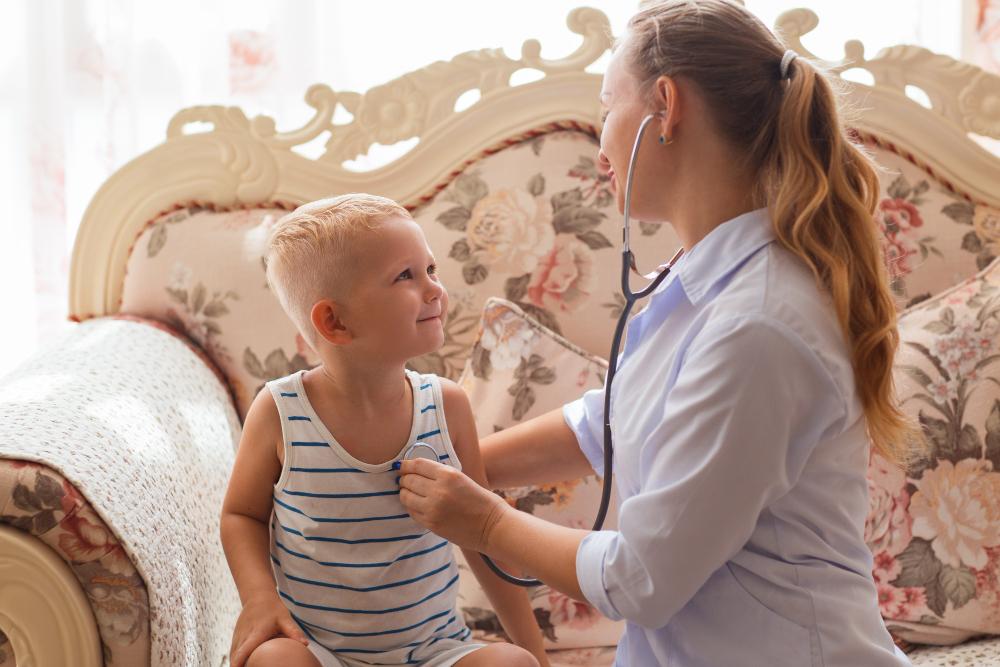
When a child is medically fragile, every day can bring a mix of hope, concern, and constant medical responsibility. Families often navigate complex care routines, specialized equipment, and frequent communication with healthcare providers—all while trying to preserve a sense of normal childhood experiences.
This is where pediatric home health services play a transformative role. By delivering skilled medical care directly into the home, these services allow children with complex health conditions to receive consistent, compassionate, and clinically guided support in the environment where they feel safest.
More than just a healthcare model, pediatric home-based services represent a shift toward comfort-centered, family-integrated care that helps children truly thrive.
Understanding What “Pediatric Home Health” Really Means
The term pediatric home health refers to specialized medical and supportive care provided to children in their homes rather than in hospitals or long-term facilities. These services are designed for children who require ongoing medical attention due to chronic illnesses, developmental conditions, post-surgical recovery, or congenital disorders.
Care may include:
- Skilled nursing support
- Respiratory therapy assistance
- Medication administration and monitoring
- Feeding tube and nutritional care
- Vital sign tracking and health assessments
- Post-hospital recovery support
- Chronic condition management
Unlike general caregiving, pediatric home health is delivered by trained healthcare professionals who follow physician-directed care plans tailored to each child’s specific medical needs.
Why Home-Based Care Makes a Meaningful Difference
For medically fragile children, the environment in which care is delivered can significantly influence both physical and emotional outcomes. Hospitals are essential for acute treatment, but long-term healing and stability often improve when care transitions into the home.
Familiar Environments Encourage Stability
Children tend to respond positively when surrounded by familiar sights, sounds, and people. Being at home reduces stress, which can support better overall health outcomes and emotional well-being.
Reduced Exposure to Hospital Settings
Minimizing frequent hospital visits helps reduce exposure to infections and unnecessary disruptions, especially for children with weakened immune systems.
Greater Family Involvement
Parents and caregivers are actively involved in daily care routines, which improves understanding, confidence, and long-term consistency in treatment.
Continuity of Care
With pediatric home health, care is continuous and personalized, allowing healthcare professionals to closely monitor changes and adjust treatment plans promptly.
Supporting the Whole Child, Not Just the Condition
One of the most powerful aspects of pediatric home healthcare is its holistic approach. It does not only focus on treating a diagnosis—it also supports the child’s emotional development, comfort, and daily life experience.
Children receiving home care are still able to:
- Spend more time with family
- Participate in age-appropriate activities
- Maintain familiar daily routines
- Engage in learning and development at home
- Experience reduced anxiety compared to hospital stays
This balance between medical care and normal childhood experiences is essential for long-term well-being.
The Role of Skilled Nurses in Pediatric Home Health
At the core of pediatric home health services are highly trained pediatric nurses and healthcare professionals. Their role extends beyond clinical tasks—they become consistent figures in a child’s care journey.
Their responsibilities may include:
Ongoing Health Monitoring
Tracking vital signs, symptoms, and medical progress to ensure stability.
Medication and Treatment Administration
Ensuring accuracy in dosage, timing, and response to treatment plans.
Medical Equipment Management
Assisting with ventilators, oxygen systems, feeding tubes, and other essential devices.
Emergency Preparedness
Recognizing early warning signs and responding quickly to prevent complications.
Family Education and Training
Helping parents understand procedures, equipment usage, and daily care routines.
This level of professional involvement provides families with reassurance and consistent medical oversight.
Empowering Families Through Education and Support
Raising a medically fragile child can feel overwhelming without proper guidance. Pediatric home healthcare teams help bridge this gap by empowering caregivers with knowledge and confidence.
Families learn how to:
- Manage daily care tasks safely
- Respond to health changes effectively
- Use medical equipment correctly
- Communicate with healthcare providers
- Support emotional well-being at home
This shared responsibility reduces caregiver stress and builds stronger, more capable family care systems.
Building Trust Through Long-Term Care Relationships
One of the most meaningful aspects of pediatric home health services is the development of trust between families and caregivers. Unlike short-term hospital interactions, home healthcare often involves ongoing relationships.
This continuity allows caregivers to better understand:
- A child’s personality and comfort needs
- Subtle changes in health or behavior
- Family routines and preferences
- Long-term medical goals
Over time, this trust creates a stable care environment that supports both medical success and emotional comfort.
The Future of Pediatric Care Is Home-Based
Healthcare systems are increasingly recognizing the benefits of treating children in environments that support both healing and emotional development. Pediatric home health is becoming a vital part of this evolution.
By combining medical expertise with personalized attention and family-centered care, this model ensures that children do not have to choose between receiving advanced treatment and living a normal, connected life at home.
Instead, they can have both.
Final Thoughts
Every child deserves care that respects not only their medical condition but also their need for comfort, stability, and belonging. Pediatric home healthcare bridges this essential gap by transforming homes into spaces of healing, growth, and support. Through compassionate professionals, individualized care plans, and strong family collaboration, pediatric home health services empower medically fragile children to live fuller, safer, and more meaningful lives where they belong most—at home.

 English
 Arabic
 French
 Spanish
 Portuguese
 Deutsch
 Turkish
 Italiano
 Russian
 Romaian
 Portuguese (Brazil)
 Greek
Greek
