


Standard Operating Procedures: Benefits, Types and Best Practices
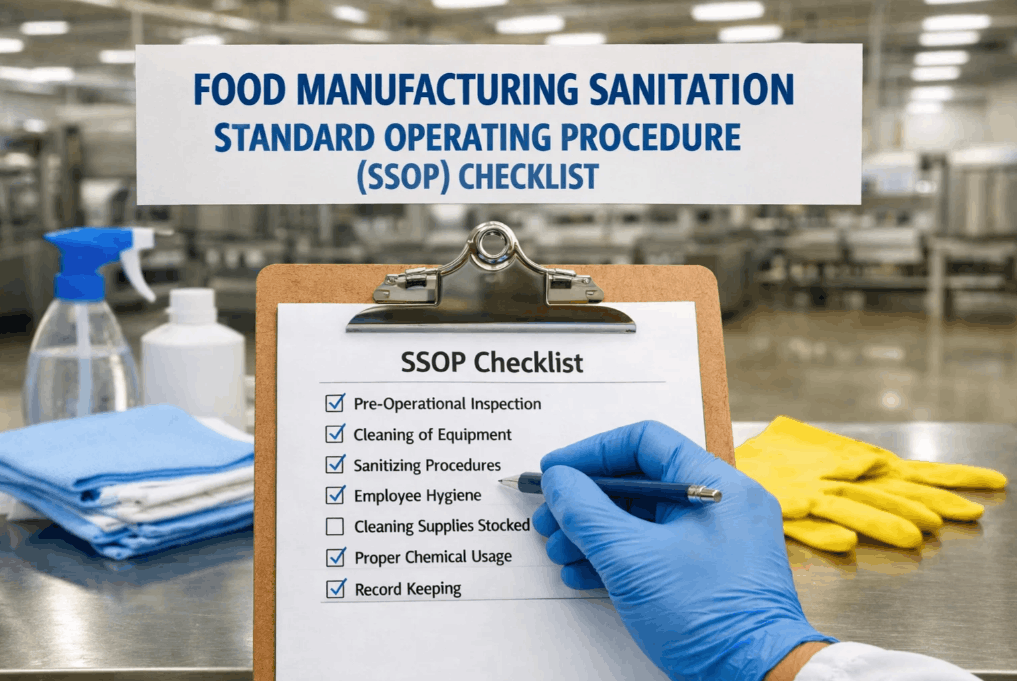
Every successful organization needs clear and consistent ways to complete its daily activities. When employees perform the same task differently, businesses can face delays, mistakes, inconsistent quality, and compliance issues. This is where Standard Operating Procedures become valuable. They provide employees with clear instructions for performing specific tasks correctly and consistently.
Whether a company is managing accounting, customer service, manufacturing, human resources, IT operations, or administrative activities, well-designed procedures can improve efficiency and accountability. This article explains what Standard Operating Procedures are, their benefits, common types, and the best practices businesses should follow when creating them.
What Are Standard Operating Procedures?
Standard Operating Procedures are documented instructions that explain how a particular business task or process should be performed. They generally provide employees with a step-by-step method for completing an activity while maintaining expected standards.
For example, a company may create an SOP for onboarding a new employee. The document could explain how to collect employee information, prepare documents, create system access, introduce company policies, and complete the joining process.
The purpose is not simply to create paperwork. A good SOP helps employees understand what needs to be done, who is responsible, what standards must be followed, and what should happen if an issue occurs.
Why Are Standard Operating Procedures Important?
Businesses often depend on employees performing recurring tasks. Without documented instructions, employees may rely on personal experience or informal communication. This can create differences in the way processes are completed.
Standard Operating Procedures establish a consistent approach. Employees can refer to the documented process instead of depending entirely on verbal instructions or individual knowledge.
They are particularly useful when a business grows, hires new employees, introduces new technology, or operates across multiple locations. A documented process can make it easier to maintain the same level of service and quality across the organization.
Benefits of Standard Operating Procedures
1. Improve Consistency
One of the biggest advantages of Standard Operating Procedures is consistency. When employees follow the same documented process, the chances of significant differences in results are reduced.
This is especially important for customer-facing, financial, manufacturing, and compliance-related activities where consistency can directly affect business performance.
2. Reduce Errors
Clear instructions can help employees avoid common mistakes. An SOP can identify important steps, required approvals, verification points, and documentation requirements.
This makes procedures easier to follow and reduces the possibility of important steps being missed.
3. Support Employee Training
Training new employees can take significant time when processes exist only in the knowledge of experienced staff. SOP documentation provides new team members with a useful reference.
Employees can review the instructions while learning their responsibilities, allowing managers and senior employees to spend less time explaining repetitive tasks.
4. Increase Operational Efficiency
Well-designed procedures can eliminate unnecessary steps and clarify responsibilities. Employees know what to do, when to do it, and which person or department is responsible for the next stage.
As a result, businesses can improve workflow and reduce avoidable delays.
5. Strengthen Accountability
An effective SOP can clearly identify roles and responsibilities. When employees understand who is responsible for each stage of a process, it becomes easier to monitor performance and identify bottlenecks.
This creates greater accountability within teams.
6. Support Compliance
Many businesses need to follow legal, regulatory, industry, or internal requirements. Documented procedures can help employees follow required controls consistently.
They can also provide useful evidence during internal reviews, audits, or quality assessments.
Types of Standard Operating Procedures
Different business activities require different types of SOPs. Some common categories include:
1. Administrative SOPs
Administrative procedures cover routine office activities such as document management, attendance processes, expense approvals, purchasing, and record keeping.
These procedures help ensure that administrative activities are completed in an organized manner.
2. Technical SOPs
Technical SOPs explain how to perform specialized tasks involving equipment, software, systems, or technical processes. They are commonly used by IT teams, engineers, laboratories, and technical service departments.
Because technical processes can involve risks or complex instructions, these SOPs should be detailed and regularly reviewed.
3. Safety SOPs
Safety procedures explain how employees should perform activities while reducing workplace risks. They may include emergency procedures, equipment handling, protective measures, and incident reporting.
Safety-related documentation should be clear, accessible, and updated whenever requirements change.
4. Quality Control SOPs
Quality control procedures define how products, services, or processes should be checked against established standards.
They may include inspection steps, testing methods, quality criteria, documentation requirements, and corrective actions.
5. Human Resources SOPs
HR procedures can cover recruitment, employee onboarding, leave management, performance reviews, payroll coordination, employee records, and exit processes.
These procedures help HR teams manage employee-related activities consistently.
Best Practices for Creating Standard Operating Procedures
1. Define the Purpose Clearly
Every SOP should have a clear purpose. Before writing the document, identify the process, why it is necessary, and what outcome is expected.
A clearly defined purpose prevents unnecessary information from being included.
2. Identify the Target Audience
Write the procedure for the employees who will actually use it. Consider their experience, responsibilities, and technical knowledge.
Avoid unnecessary complexity when a simple explanation can communicate the same information.
3. Use a Step-by-Step Structure
Break complicated processes into logical steps. Numbered instructions are often easier to follow than large paragraphs.
Each step should explain the action required and include important information such as approvals, documents, systems, or deadlines where necessary.
4. Assign Responsibilities
Clearly state who is responsible for each stage of the process. If multiple departments are involved, explain where one person's responsibility ends and another person's begins.
This can prevent confusion and reduce delays.
5. Keep the Language Simple
An SOP should be practical rather than overly technical. Use direct language, short sentences, and familiar terminology wherever possible.
Employees should be able to understand the procedure without repeatedly asking for clarification.
6. Add Visuals When Useful
Flowcharts, screenshots, tables, checklists, and diagrams can make complicated procedures easier to understand.
Visual elements are particularly useful for technical processes or workflows involving multiple decision points.
7. Review and Update Regularly
Business processes change over time. Software may be upgraded, responsibilities may change, regulations may be updated, or companies may introduce new systems.
For this reason, SOPs should have a review schedule. Outdated instructions can be as problematic as having no documented procedure at all.
8. Test the Procedure
Before finalizing an SOP, ask an employee who performs the task to follow the instructions. This can reveal missing steps, unclear wording, or unnecessary complexity.
Testing helps ensure that the document works in real-world situations.
How Businesses Can Manage SOPs Effectively
Creating documentation is only the beginning. Businesses should also establish a system for storing, accessing, reviewing, and updating their procedures.
Each document can include important information such as its title, department, owner, version number, effective date, review date, and approval status. Keeping this information organized makes it easier to determine whether employees are using the latest version.
Companies can also use employee training sessions to introduce new procedures and explain significant changes. Feedback from employees should be considered because the people performing a process regularly may identify practical improvements that management has overlooked.
Conclusion
Standard Operating Procedures provide businesses with a structured way to document and manage important processes. They can improve consistency, reduce errors, support employee training, increase efficiency, strengthen accountability, and help organizations maintain compliance.
However, an SOP should not be treated as a document that is created once and forgotten. The most effective procedures are clear, practical, regularly reviewed, and aligned with actual business operations. By identifying important processes, assigning responsibilities, simplifying instructions, testing workflows, and updating documentation regularly, businesses can create procedures that genuinely support their employees and long-term growth.
A well-managed SOP framework can ultimately turn individual knowledge into organized business knowledge, making everyday operations more reliable and scalable.

 English
 French
 Spanish
 Portuguese
 Deutsch
 Turkish
 Dutch
Dutch
 Italiano
 Russian
 Romaian
 Portuguese (Brazil)
 Greek
Greek
