


Automaticmachinefactory Brush Making Machinery: Knowing When to Change Drill Bits and Needles
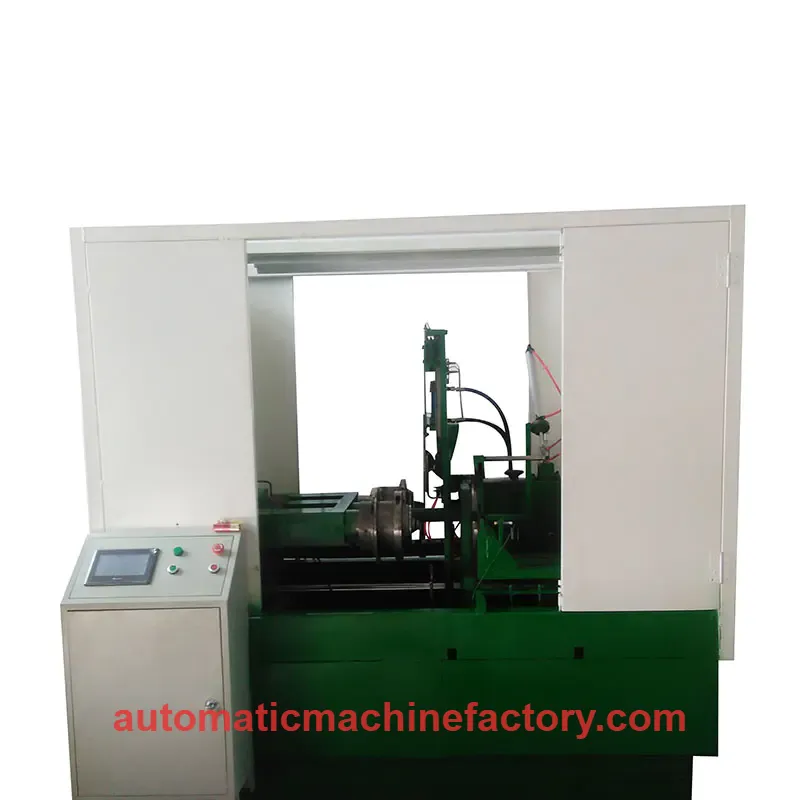
Operating Brush Making Machinery without a clear replacement schedule for consumable components invites sudden breakdowns and quality deterioration. Drill bits dull progressively, tufting needles bend or break under repeated impact, and transfer chains stretch or accumulate debris that affects indexing accuracy. Each of these wear parts follows a distinct degradation pattern influenced by material hardness, production volume, and maintenance practices, yet automaticmachinefactory offers structured intervals that help operators anticipate replacements before failure occurs, but does your current protocol account for the specific wear rates of each critical component?
The replacement frequency for drill bits in Brush Making Machinery depends primarily on the brush block material and drilling depth. Wood blocks with natural abrasives dull bits quicker than plastic or composite materials, while deep hole drilling accelerates edge wear significantly. Operators should inspect bit condition after each shift, looking for chipped cutting edges or reduced drilling speed, and establish a baseline replacement interval based on observed performance decline. Automaticmachinefactory's engineering team recommends tracking bit usage in terms of holes drilled rather than calendar days, as production volume varies widely between facilities. This data-driven approach enables precise scheduling that avoids premature replacement waste while preventing catastrophic bit failure that damages the workpiece or spindle assembly.
Tufting needles experience cyclic stress during each filling cycle, with the repeated insertion and retraction through the brush block causing gradual deformation of the needle tip and eye area. The filament material and packing density directly influence needle wear rates, with thicker or stiffer filaments imposing greater strain on the needle structure. Experienced operators of Brush Making Machinery learn to recognize warning signs including inconsistent tuft height, irregular filament pull-through, or visible scoring on the needle surface. Automaticmachinefactory advises establishing a scheduled needle replacement program based on machine operating hours, with visual inspection checkpoints interspersed between scheduled changes to catch unexpected damage from material anomalies or operator errors. This dual approach of scheduled and condition-based maintenance maximizes needle life while protecting product quality.
Transfer chains and indexing mechanisms represent another critical wear system in automated Brush Making Machinery, with chain elongation and pin wear causing positional inaccuracies that compound over time. A stretched chain shifts the brush block alignment relative to the drilling and filling stations, producing misaligned tufts or off-center rows that render finished brushes unsaleable. Regular chain tension monitoring and wear measurement using precision gauges allows operators to track elongation percentage and schedule chain replacement before accuracy falls outside tolerance. Automaticmachinefactory provides detailed maintenance manuals that specify maximum allowable elongation and recommended inspection intervals for each chain segment, empowering maintenance teams to proactively manage this wear component without relying on guesswork or reactive repairs.
The economic impact of timely wear part replacement extends beyond repair costs to include production efficiency and scrap rate reduction. A dull drill bit requires increased motor load and produces rougher hole walls that compromise tuft retention, while a worn needle creates loose tufts that fail quality inspection. By adopting Automaticmachinefactory's recommended replacement intervals and tracking actual component life under specific production conditions, manufacturers optimize the balance between consumable expenditure and finished product yield. For detailed technical specifications on wear part replacement schedules and compatible consumables for your specific machine model, visiting https://www.automaticmachinefactory.com/ provides comprehensive documentation and expert guidance tailored to your production parameters. Does your current wear part management strategy incorporate both scheduled changes and performance-based indicators to truly maximize Brush Making Machinery uptime and output quality?

 Arabic
 French
 Spanish
 Portuguese
 Deutsch
 Turkish
 Dutch
Dutch
 Italiano
 Russian
 Romaian
 Portuguese (Brazil)
 Greek
Greek
