• Securing Industry 4.0: The Rising Role of Operational Technology Security Platforms

    Industrial organizations are rapidly adopting digital technologies to improve operational efficiency, automation, and remote management. However, this digital transformation also increases cybersecurity risks across industrial environments. According to the QKS Group report SPARK Matrix™: Operational Technology (OT) Security, Q4 2025, the demand for OT security solutions is growing quickly as enterprises seek to protect critical infrastructure, industrial control systems, and connected operational environments from cyber threats.

    Click Here For More: https://qksgroup.com/market-research/spark-matrix-operational-technology-ot-security-q4-2025-10339

    Operational Technology (OT) refers to hardware and software that monitor and control industrial equipment, processes, and physical operations. These technologies are commonly used in industries such as energy, manufacturing, transportation, utilities, and oil and gas. Systems like SCADA, PLCs, and industrial control systems (ICS) form the backbone of OT environments. Traditionally, these systems were isolated from IT networks, but with the rise of Industry 4.0, they are now increasingly connected to enterprise IT systems and cloud platforms. This convergence significantly expands the attack surface for cyber threats.

    Many legacy OT systems were designed with reliability and operational continuity in mind rather than security. As a result, they often lack modern cybersecurity capabilities such as strong authentication, encryption, and continuous monitoring. Research shows that thousands of OT devices are exposed to the public internet with outdated firmware and unpatched vulnerabilities, making them attractive targets for attackers seeking to disrupt critical operations.

    To address these risks, organizations are adopting specialized OT security platforms that provide visibility, threat detection, and risk management across industrial environments. OT security solutions typically include network monitoring, anomaly detection, asset discovery, vulnerability management, and incident response capabilities. These platforms are designed to understand industrial protocols and operational workflows, enabling security teams to identify suspicious behavior without interrupting critical processes.

    The SPARK Matrix™ analysis by QKS Group provides a detailed evaluation of leading OT security vendors based on technology excellence and customer impact. The report offers strategic insights into vendor capabilities, market positioning, and competitive differentiation. Such assessments help enterprises choose the most suitable solutions to strengthen their industrial cybersecurity posture and reduce operational risks.

    One of the major trends highlighted in the Operational Technology (OT) Security market is the increasing integration of AI-driven analytics, machine learning, and advanced threat intelligence. These technologies enable faster detection of abnormal activities across complex industrial networks. Additionally, modern OT security platforms integrate with IT security tools such as SIEM, XDR, and SOC platforms to provide unified visibility across IT and OT environments.

    Another important trend is the adoption of zero-trust architecture and network segmentation within industrial networks. By enforcing strict access controls and continuously verifying user and device identities, organizations can limit the movement of attackers inside critical systems.

    Download Sample Report Here: https://qksgroup.com/download-sample-form/spark-matrix-operational-technology-ot-security-q4-2025-10339

    As cyberattacks targeting industrial environments continue to rise, securing OT infrastructure has become a strategic priority for enterprises and governments worldwide. By implementing advanced OT security solutions and following best practices, organizations can ensure operational resilience, protect critical infrastructure, and maintain business continuity in an increasingly connected industrial ecosystem.

    In conclusion, Operational Technology (OT) Security is no longer optional—it is essential for modern industrial operations. Reports like the SPARK Matrix™: OT Security, Q4 2025 provide valuable guidance for organizations looking to navigate the evolving cybersecurity landscape and build stronger defenses for their operational environments.

    #OTSecurity #OperationalTechnology #IndustrialCybersecurity #CyberSecurity #IndustrialSecurity #CriticalInfrastructure #ICSsecurity #SCADAsecurity #CyberThreatProtection #Industry40 #IndustrialAutomation #CyberDefense #OTCybersecurity #SecuritySolutions #CriticalInfrastructureProtection

    Securing Industry 4.0: The Rising Role of Operational Technology Security Platforms Industrial organizations are rapidly adopting digital technologies to improve operational efficiency, automation, and remote management. However, this digital transformation also increases cybersecurity risks across industrial environments. According to the QKS Group report SPARK Matrix™: Operational Technology (OT) Security, Q4 2025, the demand for OT security solutions is growing quickly as enterprises seek to protect critical infrastructure, industrial control systems, and connected operational environments from cyber threats. Click Here For More: https://qksgroup.com/market-research/spark-matrix-operational-technology-ot-security-q4-2025-10339 Operational Technology (OT) refers to hardware and software that monitor and control industrial equipment, processes, and physical operations. These technologies are commonly used in industries such as energy, manufacturing, transportation, utilities, and oil and gas. Systems like SCADA, PLCs, and industrial control systems (ICS) form the backbone of OT environments. Traditionally, these systems were isolated from IT networks, but with the rise of Industry 4.0, they are now increasingly connected to enterprise IT systems and cloud platforms. This convergence significantly expands the attack surface for cyber threats. Many legacy OT systems were designed with reliability and operational continuity in mind rather than security. As a result, they often lack modern cybersecurity capabilities such as strong authentication, encryption, and continuous monitoring. Research shows that thousands of OT devices are exposed to the public internet with outdated firmware and unpatched vulnerabilities, making them attractive targets for attackers seeking to disrupt critical operations. To address these risks, organizations are adopting specialized OT security platforms that provide visibility, threat detection, and risk management across industrial environments. OT security solutions typically include network monitoring, anomaly detection, asset discovery, vulnerability management, and incident response capabilities. These platforms are designed to understand industrial protocols and operational workflows, enabling security teams to identify suspicious behavior without interrupting critical processes. The SPARK Matrix™ analysis by QKS Group provides a detailed evaluation of leading OT security vendors based on technology excellence and customer impact. The report offers strategic insights into vendor capabilities, market positioning, and competitive differentiation. Such assessments help enterprises choose the most suitable solutions to strengthen their industrial cybersecurity posture and reduce operational risks. One of the major trends highlighted in the Operational Technology (OT) Security market is the increasing integration of AI-driven analytics, machine learning, and advanced threat intelligence. These technologies enable faster detection of abnormal activities across complex industrial networks. Additionally, modern OT security platforms integrate with IT security tools such as SIEM, XDR, and SOC platforms to provide unified visibility across IT and OT environments. Another important trend is the adoption of zero-trust architecture and network segmentation within industrial networks. By enforcing strict access controls and continuously verifying user and device identities, organizations can limit the movement of attackers inside critical systems. Download Sample Report Here: https://qksgroup.com/download-sample-form/spark-matrix-operational-technology-ot-security-q4-2025-10339 As cyberattacks targeting industrial environments continue to rise, securing OT infrastructure has become a strategic priority for enterprises and governments worldwide. By implementing advanced OT security solutions and following best practices, organizations can ensure operational resilience, protect critical infrastructure, and maintain business continuity in an increasingly connected industrial ecosystem. In conclusion, Operational Technology (OT) Security is no longer optional—it is essential for modern industrial operations. Reports like the SPARK Matrix™: OT Security, Q4 2025 provide valuable guidance for organizations looking to navigate the evolving cybersecurity landscape and build stronger defenses for their operational environments. #OTSecurity #OperationalTechnology #IndustrialCybersecurity #CyberSecurity #IndustrialSecurity #CriticalInfrastructure #ICSsecurity #SCADAsecurity #CyberThreatProtection #Industry40 #IndustrialAutomation #CyberDefense #OTCybersecurity #SecuritySolutions #CriticalInfrastructureProtection

    QKSGROUP.COM
    SPARK Matrix?: Operational Technology (OT) Security, Q4 2025
    QKS Group’s Operational Technology (OT) Security market research provides an in-depth assessment of ...
    0 Σχόλια 0 Μοιράστηκε 312 Views 0 Προεπισκόπηση
  • Why Autonomous Mobile Robots Are Reshaping Supply Chain Operations

    Autonomous Mobile Robots (AMR) market is entering a high-growth phase as industries accelerate automation and smart logistics investments. AMRs are intelligent robots that can move and perform tasks without fixed tracks or direct human control. These robots use technologies such as Artificial Intelligence (AI), LiDAR sensors, machine learning, and SLAM-based navigation to operate safely in dynamic environments. According to market insights from QKS Group and industry research sources, the AMR market is expected to witness strong growth between 2026 and 2030 due to rising demand for warehouse automation, labor optimization, and smart manufacturing solutions.

    Click here For More: https://qksgroup.com/market-research/market-forecast-autonomous-mobile-robots-2026-2030-worldwide-2250

    The rapid expansion of e-commerce and omnichannel retail is one of the biggest drivers of the AMR market. Warehouses and fulfillment centers are under pressure to improve speed, accuracy, and operational efficiency. AMRs help companies automate material handling, picking, sorting, and transportation processes while reducing dependency on manual labor. Many enterprises are adopting AMRs to improve productivity and support 24/7 warehouse operations.

    Manufacturing industries are also increasing investments in autonomous mobile robots as part of Industry 4.0 transformation strategies. AMRs are being used in automotive, electronics, healthcare, food processing, and logistics sectors to streamline workflows and reduce operational costs. Unlike traditional automated guided vehicles (AGVs), AMRs can dynamically navigate around obstacles and optimize routes in real time. This flexibility makes them highly suitable for modern smart factories.

    Technology advancements are further accelerating market growth. AI-powered navigation systems, edge computing, 5G connectivity, and advanced sensors are improving robot intelligence and operational efficiency. Integration with cloud platforms and warehouse management systems is enabling real-time monitoring and predictive maintenance. Emerging technologies such as 6G-enabled robotics are expected to create new opportunities for highly connected autonomous systems in the future.

    Download Sample Report Here: https://qksgroup.com/download-sample-form/market-share-autonomous-mobile-robots-2025-worldwide-2446

    North America and Asia-Pacific are expected to remain major regional markets during the forecast period. Strong e-commerce infrastructure, rising labor costs, and growing adoption of automation technologies are driving market expansion in these regions. Countries such as China, India, Japan, and the United States are witnessing increased deployment of AMRs across logistics and manufacturing sectors. India, in particular, is expected to experience significant growth as enterprises modernize supply chain operations and smart warehouse infrastructure.

    The competitive landscape is becoming highly dynamic with robotics companies focusing on innovation, fleet management software, and AI-driven automation capabilities. Vendors are investing in scalable robotic solutions that improve warehouse throughput, reduce downtime, and enhance worker safety. Strategic collaborations between robotics providers, logistics companies, and manufacturing enterprises are also shaping the future of the market.

    Overall, the Autonomous Mobile Robots market is expected to play a critical role in the future of intelligent automation. As businesses continue focusing on efficiency, scalability, and digital transformation, AMRs will become an essential component of modern industrial and logistics ecosystems. For enterprises planning long-term automation strategies, the 2026–2030 period will offer major opportunities for innovation and operational growth.

    Related Reports:

    Market Share: Autonomous Mobile Robots (AMR), 2025, Western Europe: https://qksgroup.com/market-research/market-share-autonomous-mobile-robots-amr-2025-western-europe-3924

    Market Forecast: Autonomous Mobile Robots (AMR), 2026-2030, Western Europe: https://qksgroup.com/market-research/market-forecast-autonomous-mobile-robots-amr-2026-2030-western-europe-3637

    #AutonomousMobileRobots #AMR #WarehouseAutomation #SmartLogistics #logistics #IndustrialAutomation #Robotics #AI #ArtificialIntelligence #SupplyChain #Logistics #SmartWarehouse #Industry40 #Manufacturing #Automation #WarehouseRobotics #LogisticsAutomation #DigitalTransformation #RoboticAutomation #SupplyChainAutomation #EcommerceLogistics #MaterialHandling #SmartFactory #RoboticsTechnology #AutonomousRobots #MobileRobots #WarehouseManagement #FulfillmentCenter #AIinRobotics #ManufacturingAutomation #LogisticsTechnology
    Why Autonomous Mobile Robots Are Reshaping Supply Chain Operations Autonomous Mobile Robots (AMR) market is entering a high-growth phase as industries accelerate automation and smart logistics investments. AMRs are intelligent robots that can move and perform tasks without fixed tracks or direct human control. These robots use technologies such as Artificial Intelligence (AI), LiDAR sensors, machine learning, and SLAM-based navigation to operate safely in dynamic environments. According to market insights from QKS Group and industry research sources, the AMR market is expected to witness strong growth between 2026 and 2030 due to rising demand for warehouse automation, labor optimization, and smart manufacturing solutions. Click here For More: https://qksgroup.com/market-research/market-forecast-autonomous-mobile-robots-2026-2030-worldwide-2250 The rapid expansion of e-commerce and omnichannel retail is one of the biggest drivers of the AMR market. Warehouses and fulfillment centers are under pressure to improve speed, accuracy, and operational efficiency. AMRs help companies automate material handling, picking, sorting, and transportation processes while reducing dependency on manual labor. Many enterprises are adopting AMRs to improve productivity and support 24/7 warehouse operations. Manufacturing industries are also increasing investments in autonomous mobile robots as part of Industry 4.0 transformation strategies. AMRs are being used in automotive, electronics, healthcare, food processing, and logistics sectors to streamline workflows and reduce operational costs. Unlike traditional automated guided vehicles (AGVs), AMRs can dynamically navigate around obstacles and optimize routes in real time. This flexibility makes them highly suitable for modern smart factories. Technology advancements are further accelerating market growth. AI-powered navigation systems, edge computing, 5G connectivity, and advanced sensors are improving robot intelligence and operational efficiency. Integration with cloud platforms and warehouse management systems is enabling real-time monitoring and predictive maintenance. Emerging technologies such as 6G-enabled robotics are expected to create new opportunities for highly connected autonomous systems in the future. Download Sample Report Here: https://qksgroup.com/download-sample-form/market-share-autonomous-mobile-robots-2025-worldwide-2446 North America and Asia-Pacific are expected to remain major regional markets during the forecast period. Strong e-commerce infrastructure, rising labor costs, and growing adoption of automation technologies are driving market expansion in these regions. Countries such as China, India, Japan, and the United States are witnessing increased deployment of AMRs across logistics and manufacturing sectors. India, in particular, is expected to experience significant growth as enterprises modernize supply chain operations and smart warehouse infrastructure. The competitive landscape is becoming highly dynamic with robotics companies focusing on innovation, fleet management software, and AI-driven automation capabilities. Vendors are investing in scalable robotic solutions that improve warehouse throughput, reduce downtime, and enhance worker safety. Strategic collaborations between robotics providers, logistics companies, and manufacturing enterprises are also shaping the future of the market. Overall, the Autonomous Mobile Robots market is expected to play a critical role in the future of intelligent automation. As businesses continue focusing on efficiency, scalability, and digital transformation, AMRs will become an essential component of modern industrial and logistics ecosystems. For enterprises planning long-term automation strategies, the 2026–2030 period will offer major opportunities for innovation and operational growth. Related Reports: Market Share: Autonomous Mobile Robots (AMR), 2025, Western Europe: https://qksgroup.com/market-research/market-share-autonomous-mobile-robots-amr-2025-western-europe-3924 Market Forecast: Autonomous Mobile Robots (AMR), 2026-2030, Western Europe: https://qksgroup.com/market-research/market-forecast-autonomous-mobile-robots-amr-2026-2030-western-europe-3637 #AutonomousMobileRobots #AMR #WarehouseAutomation #SmartLogistics #logistics #IndustrialAutomation #Robotics #AI #ArtificialIntelligence #SupplyChain #Logistics #SmartWarehouse #Industry40 #Manufacturing #Automation #WarehouseRobotics #LogisticsAutomation #DigitalTransformation #RoboticAutomation #SupplyChainAutomation #EcommerceLogistics #MaterialHandling #SmartFactory #RoboticsTechnology #AutonomousRobots #MobileRobots #WarehouseManagement #FulfillmentCenter #AIinRobotics #ManufacturingAutomation #LogisticsTechnology
    QKSGROUP.COM
    Market Forecast: Autonomous Mobile Robots, 2026-2030, Worldwide
    The Autonomous Mobile Robots (AMR)Market is reveal a market projected valuation of $8.17 billion by ...
    0 Σχόλια 0 Μοιράστηκε 836 Views 0 Προεπισκόπηση
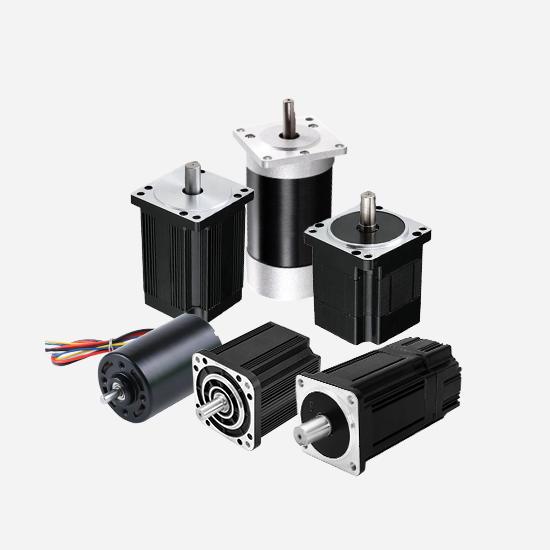
  • Power your projects with high-efficiency Brushless DC Motors from Brushless.com.
    Designed for automation, robotics, drones, AGV systems, and industrial equipment, our BLDC motors deliver reliable performance, low noise, high torque, and long service life.

    ✔ Energy Efficient
    ✔ Stable Speed Control
    ✔ Custom Motor Solutions
    ✔ Global Industrial Applications

    Explore more at: https://www.brushless.com, and find the right brushless motor solution for your application.

    #BrushlessMotor #BLDCMotor #ElectricMotor #Automation #Robotics #AGV #MotionControl #IndustrialAutomation
    Power your projects with high-efficiency Brushless DC Motors from Brushless.com. Designed for automation, robotics, drones, AGV systems, and industrial equipment, our BLDC motors deliver reliable performance, low noise, high torque, and long service life. ✔ Energy Efficient ✔ Stable Speed Control ✔ Custom Motor Solutions ✔ Global Industrial Applications Explore more at: https://www.brushless.com, and find the right brushless motor solution for your application. #BrushlessMotor #BLDCMotor #ElectricMotor #Automation #Robotics #AGV #MotionControl #IndustrialAutomation
    0 Σχόλια 0 Μοιράστηκε 272 Views 0 Προεπισκόπηση
BuzzingAbout https://www.buzzingabout.com