• Alkaline batteries are among the most common types of disposable batteries used in homes, offices, and workplaces. They are known for their long shelf life, reliable performance, and ability to power a wide variety of everyday devices. Understanding how to use alkaline batteries correctly can improve device performance, extend battery life, and promote safe handling and disposal.

    What Are Alkaline Batteries?

    Alkaline batteries are primary (non-rechargeable) batteries that use zinc and manganese dioxide as their main active materials, with an alkaline electrolyte, typically potassium hydroxide. They are available in several standard sizes, including AA, AAA, C, D, and 9-volt, making them compatible with many consumer electronics.

    Common Uses

    Alkaline batteries are suitable for numerous household devices, including:

    TV and media remote controls
    Wall clocks
    Flashlights
    Wireless computer mice and keyboards
    Toys
    Smoke and carbon monoxide detectors
    Portable radios
    Handheld electronic devices

    Their dependable power output makes them ideal for devices with low to moderate power consumption.

    Best Practices for Using Alkaline Batteries

    To get the best performance from alkaline batteries:

    Install batteries correctly. Always match the positive (+) and negative (-) terminals with the markings inside the battery compartment.
    Use matching batteries. Replace all batteries in a device at the same time and use the same brand, size, and type.
    Store them properly. Keep batteries in a cool, dry place away from direct sunlight and excessive heat.
    Remove batteries from unused devices. If a device will not be used for an extended period, remove the batteries to reduce the risk of leakage.
    Keep contacts clean. Dirty or corroded battery contacts can reduce performance. Clean them carefully if necessary.
    Safety Tips

    Although alkaline batteries are generally safe, users should follow several precautions:

    Do not attempt to recharge standard alkaline batteries unless they are specifically labeled as rechargeable.
    Never mix old and new batteries.
    Avoid mixing different battery chemistries, such as alkaline and lithium.
    Do not expose batteries to fire or excessive heat.
    Keep batteries out of reach of young children, especially button-cell batteries, which present serious ingestion hazards.
    If a battery leaks, avoid direct contact with the leaked material and clean the affected device according to the manufacturer's instructions.
    Battery Life

    The lifespan of an alkaline battery depends on the device and how frequently it is used. Low-drain devices such as clocks and remote controls may operate for months or even years on a single set of batteries, while high-drain devices such as motorized toys or bright flashlights will consume batteries more quickly.

    Unused alkaline batteries generally have a long shelf life when stored under recommended conditions, making them a practical choice for emergency supplies.

    Environmental Considerations

    Although modern alkaline batteries typically contain little or no added mercury, they should still be disposed of responsibly. Follow local regulations for battery disposal or recycling. Many communities offer battery collection programs that help recover materials and reduce environmental impact.

    Alkaline batteries provide a convenient and reliable power source for many everyday electronic devices. By installing them correctly, using matching batteries, storing them properly, and disposing of them responsibly, users can maximize battery performance while ensuring safety and minimizing environmental impact. Proper battery care not only helps devices operate efficiently but also reduces waste and unnecessary replacement costs.

    https://www.hwenergy.vn/alkaline-batteries-23.html

    Alkaline batteries are among the most common types of disposable batteries used in homes, offices, and workplaces. They are known for their long shelf life, reliable performance, and ability to power a wide variety of everyday devices. Understanding how to use alkaline batteries correctly can improve device performance, extend battery life, and promote safe handling and disposal. What Are Alkaline Batteries? Alkaline batteries are primary (non-rechargeable) batteries that use zinc and manganese dioxide as their main active materials, with an alkaline electrolyte, typically potassium hydroxide. They are available in several standard sizes, including AA, AAA, C, D, and 9-volt, making them compatible with many consumer electronics. Common Uses Alkaline batteries are suitable for numerous household devices, including: TV and media remote controls Wall clocks Flashlights Wireless computer mice and keyboards Toys Smoke and carbon monoxide detectors Portable radios Handheld electronic devices Their dependable power output makes them ideal for devices with low to moderate power consumption. Best Practices for Using Alkaline Batteries To get the best performance from alkaline batteries: Install batteries correctly. Always match the positive (+) and negative (-) terminals with the markings inside the battery compartment. Use matching batteries. Replace all batteries in a device at the same time and use the same brand, size, and type. Store them properly. Keep batteries in a cool, dry place away from direct sunlight and excessive heat. Remove batteries from unused devices. If a device will not be used for an extended period, remove the batteries to reduce the risk of leakage. Keep contacts clean. Dirty or corroded battery contacts can reduce performance. Clean them carefully if necessary. Safety Tips Although alkaline batteries are generally safe, users should follow several precautions: Do not attempt to recharge standard alkaline batteries unless they are specifically labeled as rechargeable. Never mix old and new batteries. Avoid mixing different battery chemistries, such as alkaline and lithium. Do not expose batteries to fire or excessive heat. Keep batteries out of reach of young children, especially button-cell batteries, which present serious ingestion hazards. If a battery leaks, avoid direct contact with the leaked material and clean the affected device according to the manufacturer's instructions. Battery Life The lifespan of an alkaline battery depends on the device and how frequently it is used. Low-drain devices such as clocks and remote controls may operate for months or even years on a single set of batteries, while high-drain devices such as motorized toys or bright flashlights will consume batteries more quickly. Unused alkaline batteries generally have a long shelf life when stored under recommended conditions, making them a practical choice for emergency supplies. Environmental Considerations Although modern alkaline batteries typically contain little or no added mercury, they should still be disposed of responsibly. Follow local regulations for battery disposal or recycling. Many communities offer battery collection programs that help recover materials and reduce environmental impact. Alkaline batteries provide a convenient and reliable power source for many everyday electronic devices. By installing them correctly, using matching batteries, storing them properly, and disposing of them responsibly, users can maximize battery performance while ensuring safety and minimizing environmental impact. Proper battery care not only helps devices operate efficiently but also reduces waste and unnecessary replacement costs. https://www.hwenergy.vn/alkaline-batteries-23.html

    China Alkaline Battery Manufacturer - HW Energy Company Limited
    Power your everyday devices with reliable, long-lasting performance using our Alkaline Battery.
    0 Commentarios 0 Acciones 73 Views 0 Vista previa
  • Reusable Moving Boxes vs. Cardboard Boxes: Which Option Is Better for Your Move?

    Wondering whether reusable moving boxes or cardboard boxes are the better choice for your move? Compare their cost, durability, convenience, and environmental impact to find the packing solution that best fits your moving needs.

    Visit Here: https://telegra.ph/Reusable-Moving-Boxes-vs-Cardboard-Boxes-Which-Option-Is-Better-for-Your-Move-06-18

    Reusable Moving Boxes vs. Cardboard Boxes: Which Option Is Better for Your Move? Wondering whether reusable moving boxes or cardboard boxes are the better choice for your move? Compare their cost, durability, convenience, and environmental impact to find the packing solution that best fits your moving needs. Visit Here: https://telegra.ph/Reusable-Moving-Boxes-vs-Cardboard-Boxes-Which-Option-Is-Better-for-Your-Move-06-18
    0 Commentarios 0 Acciones 27 Views 0 Vista previa
  • ESG & Sustainability Management Software: Driving Sustainable Business Growth

    Environmental, Social, and Governance (ESG) practices have become a critical part of modern business strategy. Investors, customers, regulators, and employees increasingly expect organizations to operate responsibly, reduce environmental impact, promote social well-being, and maintain strong governance standards. As ESG requirements continue to grow, businesses are turning to ESG & Sustainability Management Software to efficiently track, manage, and report their sustainability initiatives.

    These software solutions help organizations collect ESG data, measure performance, ensure regulatory compliance, and communicate sustainability achievements to stakeholders. As sustainability becomes a key driver of business success, ESG management software is emerging as an essential tool for organizations across industries.

    Click Here For More: https://qksgroup.com/download-sample-form/market-forecast-esg-sustainability-management-software-2026-2030-worldwide-2270

    Understanding ESG & Sustainability Management Software

    ESG & Sustainability Management Software refers to digital platforms designed to help organizations monitor, analyze, and report environmental, social, and governance metrics. These platforms centralize sustainability data from various departments, making it easier to track progress against corporate ESG goals.

    The software typically supports activities such as carbon emissions tracking, energy consumption monitoring, diversity and inclusion reporting, waste management, compliance management, risk assessment, sustainability reporting, and stakeholder engagement.

    By automating data collection and reporting processes, organizations can improve transparency, reduce reporting errors, and make informed decisions that support long-term sustainability objectives.

    Why ESG Management Matters More Than Ever

    Several factors are driving the growing importance of ESG initiatives worldwide.

    Increasing Regulatory Requirements

    Governments and regulatory bodies are introducing stricter ESG disclosure requirements. Organizations must provide accurate sustainability reports, carbon emissions data, and governance information to remain compliant with evolving regulations.

    Rising Investor Expectations

    Investors are increasingly incorporating ESG performance into their decision-making processes. Strong sustainability performance is often viewed as an indicator of effective risk management and long-term business resilience.

    Consumer Demand for Responsible Businesses

    Today's consumers prefer brands that demonstrate environmental responsibility and ethical business practices. Companies that prioritize sustainability often enjoy stronger customer loyalty and enhanced brand reputation.

    Corporate Risk Management

    Climate change, supply chain disruptions, labor practices, and governance issues can significantly impact business operations. ESG management software helps organizations identify risks early and develop strategies to mitigate them.

    Competitive Advantage

    Organizations with robust ESG programs often attract investors, customers, and talented employees more effectively than competitors with limited sustainability initiatives.

    Download Sample Report Here: https://qksgroup.com/download-sample-form/market-forecast-esg-sustainability-management-software-2026-2030-worldwide-2270

    #ESG #Sustainability #ESGSoftware #SustainabilityManagement #EnvironmentalSocialGovernance #CorporateSustainability #ESGReporting #SustainabilityReporting #ESGCompliance #ComplianceManagement #BusinessSustainability
    ESG & Sustainability Management Software: Driving Sustainable Business Growth Environmental, Social, and Governance (ESG) practices have become a critical part of modern business strategy. Investors, customers, regulators, and employees increasingly expect organizations to operate responsibly, reduce environmental impact, promote social well-being, and maintain strong governance standards. As ESG requirements continue to grow, businesses are turning to ESG & Sustainability Management Software to efficiently track, manage, and report their sustainability initiatives. These software solutions help organizations collect ESG data, measure performance, ensure regulatory compliance, and communicate sustainability achievements to stakeholders. As sustainability becomes a key driver of business success, ESG management software is emerging as an essential tool for organizations across industries. Click Here For More: https://qksgroup.com/download-sample-form/market-forecast-esg-sustainability-management-software-2026-2030-worldwide-2270 Understanding ESG & Sustainability Management Software ESG & Sustainability Management Software refers to digital platforms designed to help organizations monitor, analyze, and report environmental, social, and governance metrics. These platforms centralize sustainability data from various departments, making it easier to track progress against corporate ESG goals. The software typically supports activities such as carbon emissions tracking, energy consumption monitoring, diversity and inclusion reporting, waste management, compliance management, risk assessment, sustainability reporting, and stakeholder engagement. By automating data collection and reporting processes, organizations can improve transparency, reduce reporting errors, and make informed decisions that support long-term sustainability objectives. Why ESG Management Matters More Than Ever Several factors are driving the growing importance of ESG initiatives worldwide. Increasing Regulatory Requirements Governments and regulatory bodies are introducing stricter ESG disclosure requirements. Organizations must provide accurate sustainability reports, carbon emissions data, and governance information to remain compliant with evolving regulations. Rising Investor Expectations Investors are increasingly incorporating ESG performance into their decision-making processes. Strong sustainability performance is often viewed as an indicator of effective risk management and long-term business resilience. Consumer Demand for Responsible Businesses Today's consumers prefer brands that demonstrate environmental responsibility and ethical business practices. Companies that prioritize sustainability often enjoy stronger customer loyalty and enhanced brand reputation. Corporate Risk Management Climate change, supply chain disruptions, labor practices, and governance issues can significantly impact business operations. ESG management software helps organizations identify risks early and develop strategies to mitigate them. Competitive Advantage Organizations with robust ESG programs often attract investors, customers, and talented employees more effectively than competitors with limited sustainability initiatives. Download Sample Report Here: https://qksgroup.com/download-sample-form/market-forecast-esg-sustainability-management-software-2026-2030-worldwide-2270 #ESG #Sustainability #ESGSoftware #SustainabilityManagement #EnvironmentalSocialGovernance #CorporateSustainability #ESGReporting #SustainabilityReporting #ESGCompliance #ComplianceManagement #BusinessSustainability
    Download Sample - Market Forecast: ESG & Sustainability Management Software, 2026-2030, Worldwide
    QKS Group a leading global advisory and research firm that empowers technology innovators and adopters. provides comprehensive data analysis and actionable insights to elevate product strategies, understand market trends, and drive digital transformation.
    0 Commentarios 0 Acciones 517 Views 0 Vista previa
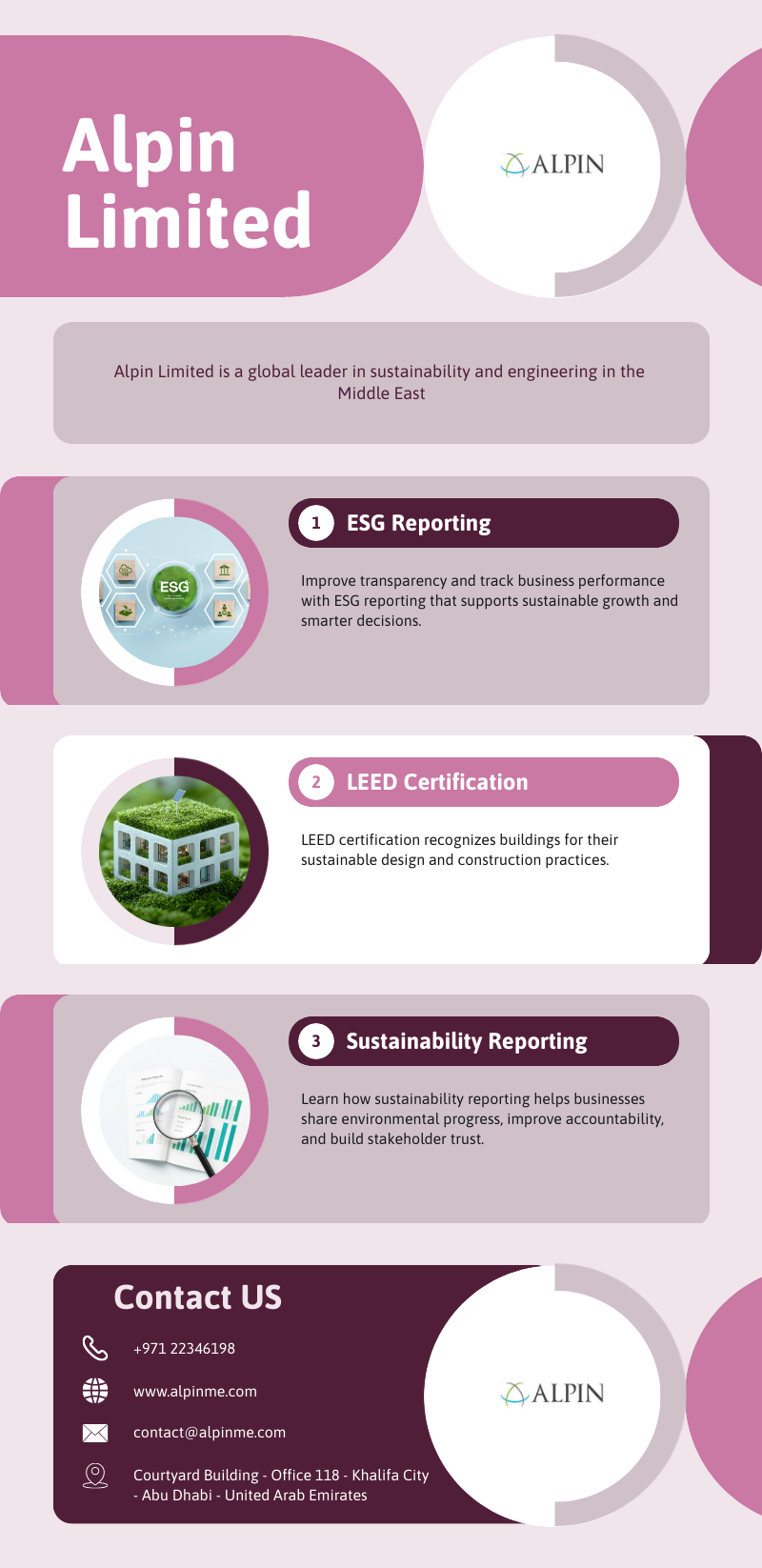
  • Learn how ESG reporting, LEED certification, carbon emissions calculations, and sustainability reporting help businesses improve environmental performance and support long-term growth. These strategies make it easier to track progress, reduce environmental impact, increase transparency, and create energy-efficient solutions for a more sustainable future.
    https://www.alpinme.com/solutions/sustainability-reporting/
    Learn how ESG reporting, LEED certification, carbon emissions calculations, and sustainability reporting help businesses improve environmental performance and support long-term growth. These strategies make it easier to track progress, reduce environmental impact, increase transparency, and create energy-efficient solutions for a more sustainable future. https://www.alpinme.com/solutions/sustainability-reporting/
    0 Commentarios 0 Acciones 293 Views 0 Vista previa
  • Antimicrobial Hospital Textiles Market: Anticipated to Be the Sector With the Fastest Growth in 2035


    The global Antimicrobial Hospital Textiles Market has witnessed steady expansion due to increasing concerns regarding hospital-acquired infections (HAIs) and the need for enhanced hygiene standards in healthcare facilities. The market size surpassed USD 9.57 billion in 2025 and is projected to exceed USD 17.8 billion by 2035, registering a compound annual growth rate (CAGR) of over 6.4% during the forecast period (2026–2035).
    Request Sample @ https://www.researchnester.com/sample-request-6591

    Antimicrobial Hospital Textiles Industry Demand
    The Antimicrobial Hospital Textiles Market refers to the production and distribution of textile materials treated with antimicrobial agents designed to inhibit the growth of bacteria, fungi, and viruses. These textiles are widely used in hospitals, clinics, and long-term care facilities to maintain sterile environments and reduce infection risks.
    Antimicrobial Hospital Textiles Market: Growth Drivers & Key Restraint
    Growth Drivers –
    1. Increasing Burden of Chronic Diseases
    The rising prevalence of chronic illnesses such as diabetes, cardiovascular diseases, and respiratory conditions has increased hospital admissions, thereby boosting demand for hygienic and infection-resistant textiles.

    2. Technological Advancements in Textile Engineering
    Innovations such as nanotechnology-based antimicrobial coatings, silver-ion treatments, and bio-based antimicrobial agents have significantly improved the effectiveness and durability of hospital textiles.

    3. Rising Outsourcing and Healthcare Facility Expansion
    Healthcare providers are increasingly outsourcing textile services to specialized vendors that offer antimicrobial solutions. Additionally, the expansion of hospitals and clinics worldwide further accelerates demand.

    Restraint –
    The adoption of antimicrobial hospital textiles is sometimes limited by higher upfront costs compared to traditional fabrics. Additionally, stringent regulatory approvals for antimicrobial agents and concerns regarding environmental impact may restrict market growth.


    Access Detailed Report @ https://www.researchnester.com/reports/antimicrobial-hospital-textiles-market/6591

    Antimicrobial Hospital Textiles Market: Anticipated to Be the Sector With the Fastest Growth in 2035 The global Antimicrobial Hospital Textiles Market has witnessed steady expansion due to increasing concerns regarding hospital-acquired infections (HAIs) and the need for enhanced hygiene standards in healthcare facilities. The market size surpassed USD 9.57 billion in 2025 and is projected to exceed USD 17.8 billion by 2035, registering a compound annual growth rate (CAGR) of over 6.4% during the forecast period (2026–2035). Request Sample @ https://www.researchnester.com/sample-request-6591 Antimicrobial Hospital Textiles Industry Demand The Antimicrobial Hospital Textiles Market refers to the production and distribution of textile materials treated with antimicrobial agents designed to inhibit the growth of bacteria, fungi, and viruses. These textiles are widely used in hospitals, clinics, and long-term care facilities to maintain sterile environments and reduce infection risks. Antimicrobial Hospital Textiles Market: Growth Drivers & Key Restraint Growth Drivers – 1. Increasing Burden of Chronic Diseases The rising prevalence of chronic illnesses such as diabetes, cardiovascular diseases, and respiratory conditions has increased hospital admissions, thereby boosting demand for hygienic and infection-resistant textiles. 2. Technological Advancements in Textile Engineering Innovations such as nanotechnology-based antimicrobial coatings, silver-ion treatments, and bio-based antimicrobial agents have significantly improved the effectiveness and durability of hospital textiles. 3. Rising Outsourcing and Healthcare Facility Expansion Healthcare providers are increasingly outsourcing textile services to specialized vendors that offer antimicrobial solutions. Additionally, the expansion of hospitals and clinics worldwide further accelerates demand. Restraint – The adoption of antimicrobial hospital textiles is sometimes limited by higher upfront costs compared to traditional fabrics. Additionally, stringent regulatory approvals for antimicrobial agents and concerns regarding environmental impact may restrict market growth. Access Detailed Report @ https://www.researchnester.com/reports/antimicrobial-hospital-textiles-market/6591
    0 Commentarios 0 Acciones 644 Views 0 Vista previa
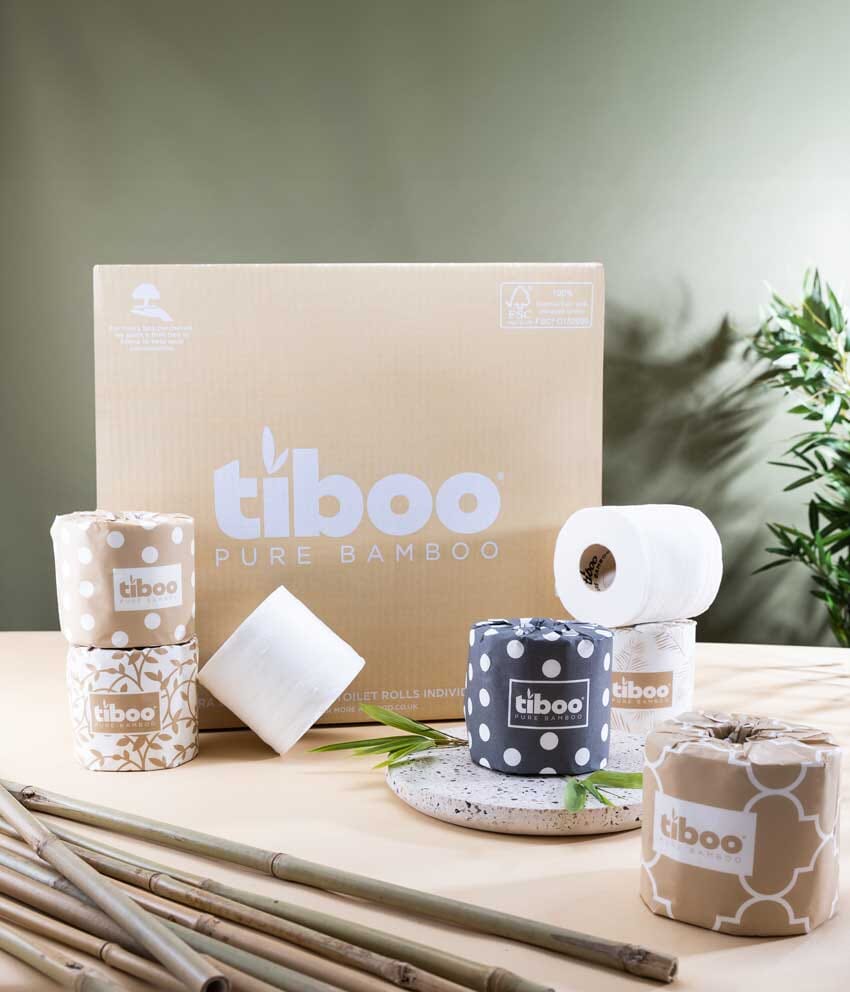
  • Upgrade your bathroom essentials with eco friendly toilet tissue made from sustainable bamboo fibres, offering a soft, strong, and planet-friendly alternative to traditional paper. It helps reduce deforestation, uses fewer resources, and is fully biodegradable for a lower environmental impact.

    For More Details Visit: https://www.tiboo.co.uk/product-category/eco-friendly-toilet-kitchen-rolls/luxury-bamboo-toilet-rolls/
    Upgrade your bathroom essentials with eco friendly toilet tissue made from sustainable bamboo fibres, offering a soft, strong, and planet-friendly alternative to traditional paper. It helps reduce deforestation, uses fewer resources, and is fully biodegradable for a lower environmental impact. For More Details Visit: https://www.tiboo.co.uk/product-category/eco-friendly-toilet-kitchen-rolls/luxury-bamboo-toilet-rolls/
    WWW.TIBOO.CO.UK
    Eco Friendly Toilet Paper | Bamboo Toilet Rolls | 100% Natural ✔️
    Try our 100% Bamboo Toilet Rolls and never go back to regular Toilet Tissue. Made from organic bamboo, environmentally friendly and luxuriously soft.
    0 Commentarios 0 Acciones 234 Views 0 Vista previa
BuzzingAbout https://www.buzzingabout.com