


How Shopify Store Migration Experts Help Prevent Data Loss
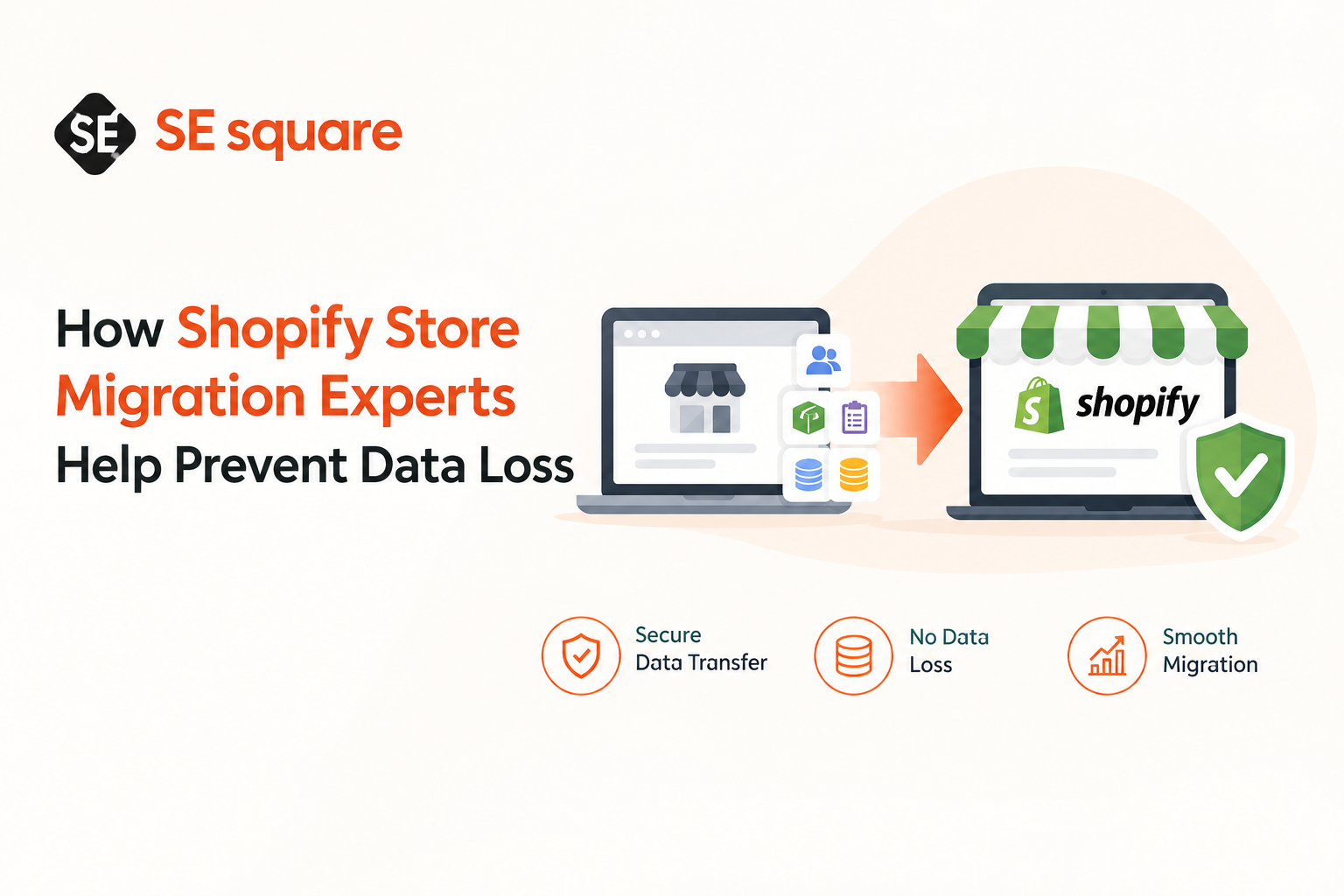
Anyone who has moved a Shopify store from one platform to another knows it's rarely as simple as it sounds. Products, customer records, past orders, years of SEO effort — all of it has to survive the move. And when something slips through the cracks, the consequences show up fast: missing orders, customers who suddenly can't log in, reviews that disappear, or a search ranking that quietly falls apart over the next few weeks.
That's the main reason so many store owners bring in outside help instead of doing it themselves. Working with experienced shopify store migration experts cuts down the chances of losing store data in a big way, and once you see how they actually approach the job, it's easy to understand why.
What a Shopify Migration Actually Involves
A migration isn't one task — it's a chain of them, and each step depends on the one before it. Whether a store is coming from WooCommerce, Magento, BigCommerce, or just an older Shopify setup, the process usually looks something like this:
- Pulling the existing data out of the old system
- Matching that data to how Shopify structures things
- Bringing in products, customers, and order history
- Rebuilding the theme and any custom features
- Setting up redirects and checking that SEO holds up
- Running tests before anything goes live
Skip a step, or rush through one, and that's usually where the trouble starts.
Why Data Loss Happens in the First Place
Most of the time, data loss isn't about someone being sloppy. It's about platform differences that don't become obvious until you're already in the middle of the transfer. A few things that commonly go wrong:
- The old platform stores data in a format Shopify doesn't recognize directly
- Certain fields simply don't have a matching field on Shopify
- Manual exports and imports break down when catalogs are large
- Records get overwritten because imports ran in the wrong order
- Metadata like tags, custom fields, or review history quietly gets left behind
None of this is exotic. It's just what tends to happen when someone attempts a migration without a deep, practical understanding of how Shopify organizes data.
How Migration Experts Actually Prevent It
A good migration team doesn't treat this as one big export-and-import job. They build in checkpoints, backups, and verification at every stage, so nothing moves forward until they're sure the previous step held up.
They Start With an Audit
Before touching anything, an experienced team maps out exactly what exists in the current store — every product, variant, customer profile, order, review, blog post, and app-connected record. Knowing what's there before the move makes it much easier to confirm nothing went missing afterward.
They Back Everything Up First
This part isn't optional for anyone who knows what they're doing. A full backup of the original store gets taken before any transfer begins. If something breaks halfway through, the original data can be restored instead of lost for good.
They Test in a Staging Environment First
Rather than pushing data straight into the live store, most experts set up a staging site first. That way, the entire migration can be checked and double-checked privately, without customers ever noticing anything happening behind the scenes.
What Actually Needs Protecting
Not every piece of store data matters equally, but nearly all of it matters somewhat. The categories that deserve the closest attention include:
- Customer accounts and contact details
- Order history and transaction records
- Product listings, variants, and images
- Inventory counts across every location
- Discount codes and gift card balances
- URLs, SEO metadata, and blog content
- Data tied to apps — subscriptions, loyalty points, and so on
Lose any one of these and you're looking at real consequences, from frustrated customers to messy accounting records.
Handling Customer and Order Data Carefully
Customer and order data tends to be the most sensitive part of the whole process, mainly because real people are on the other end of it. A careful migration keeps names, emails, addresses, and purchase history intact and correctly linked together — nothing floating loose or duplicated.
Order history gets similar treatment. Order numbers, timestamps, and payment statuses are preserved so past transactions still make sense for accounting, taxes, and customer service later on. This isn't just about tidy spreadsheets — it shapes how the store feels to customers afterward. A store that keeps its customer relationships intact through a migration is in a much better position to keep doing what already Turns Visitors into Loyal Customers, instead of starting over with a broken history nobody trusts.
Keeping Product and Inventory Data Straight
Moving product data means more than copying titles and prices over. A thorough migration also carries across:
- Full product descriptions, with formatting intact
- Variant options like size, color, or material
- Product images at their original quality
- Collections and how products are grouped
- SEO titles and meta descriptions for each listing
- Inventory counts across every warehouse
Inventory is worth calling out specifically. Get the numbers wrong and a store can end up overselling items it doesn't actually have, or hiding products that are sitting right there in stock. Most experienced teams cross-check inventory against the old platform one more time before flipping the switch on the new store.
Protecting URLs and SEO Along the Way
One risk that catches a lot of people off guard is SEO loss. A store can transfer every piece of data correctly and still lose meaningful search traffic, simply because URLs changed and nobody set up redirects for them.
To avoid that, a solid migration team will typically:
- Map every old URL to its new Shopify equivalent
- Set up 301 redirects wherever URLs changed
- Keep meta titles, descriptions, and image alt text intact
- Preserve existing blog URLs and content structure
- Watch search console data closely after launch for crawl issues
Search engines don't hand back trust overnight if redirects are missing or broken — it can take months to recover rankings that took years to earn. Getting this part right the first time saves a lot of frustration later.
Testing Before the Store Goes Live
No migration should go live untested. This usually means:
- Placing a few real test orders to confirm checkout actually works
- Logging into customer accounts to make sure access still works
- Checking that discount codes and gift cards function properly
- Reviewing product pages for missing images or broken variants
- Testing page speed and how the site behaves on mobile
- Confirming that connected apps and integrations still run correctly
This step isn't a formality — it's the last real chance to catch a problem before customers do. And catching it here costs a fraction of what it costs after launch.
Mistakes Worth Avoiding
Even migrations done with good intentions go wrong sometimes. The most common mistakes tend to be:
- Skipping a full backup before starting
- Ignoring URL structure and redirect planning entirely
- Rushing to hit a deadline instead of doing it right
- Skipping proper testing before launch
- Forgetting app-specific data, like subscriptions or loyalty points
- Not telling customers a migration is happening at all
Most of these come down to one thing: treating migration like a weekend project instead of something that needs a plan.
What a Good Migration Sets Up Long-Term
A migration done properly does more than just avoid disaster — it puts the store in a better position going forward. Clean data, preserved SEO value, and a checkout that just works all build trust with customers from the very first visit after launch.
That matters even more for stores built around repeat purchases or subscriptions. If recurring orders are part of the business, keeping that data intact through the move isn't optional. Careful handling of Shopify Subscription Management tools means active subscribers don't run into billing errors, missed charges, or a wiped-out order history just because the store changed platforms. For businesses that rely on recurring revenue, this is often the part of the migration that matters most — worth understanding more about Shopify Subscription Management and why it plays such a big role in long-term growth.
Final Thoughts
Migrating a Shopify store does carry real risk, but it's a manageable one. Data loss almost always comes down to skipped steps, not bad luck.
Bringing in experienced shopify store migration experts means the process gets handled with structure and testing, instead of guesswork under time pressure. From backups and staging environments to the careful handling of customer, product, and SEO data, every part of the process exists to protect what a business has already spent years building. For any store owner thinking about a migration, treating it as a deliberate, well-planned process — rather than a quick technical chore — is usually what separates a smooth transition from an expensive mistake.

 English
 Arabic
 French
 Spanish
 Portuguese
 Deutsch
 Turkish
 Dutch
Dutch
 Italiano
 Russian
 Romaian
 Greek
Greek
