


Achilles Tendinopathy Treatment – Effective Ways to Reduce Pain and Restore Tendon Function
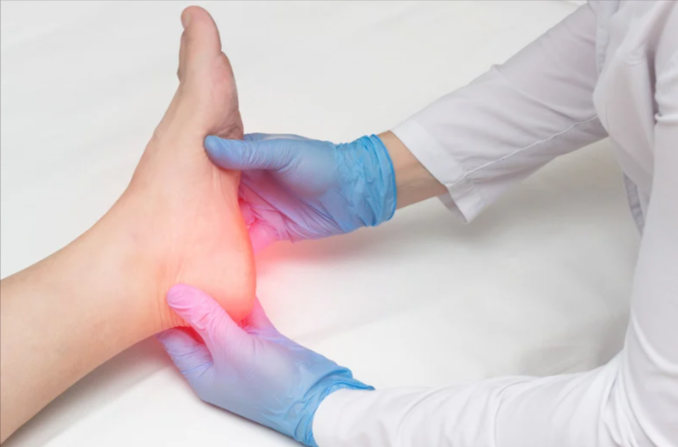
Achilles tendon pain can make everyday activities such as walking, climbing stairs, running, or exercising uncomfortable. One of the most common causes is Achilles tendinopathy, a condition involving changes to the Achilles tendon that can cause pain, stiffness, and reduced function.
If you are searching for Achilles tendinopathy treatment, understanding the condition and available treatment approaches can help you take the right next step. Treatment is usually tailored to the location and severity of symptoms, how long the problem has been present, and your activity level.
This guide explores common approaches to Achilles tendinopathy and explains what is involved in insertional Achilles tendinopathy treatment.
What Is Achilles Tendinopathy?
The Achilles tendon connects the calf muscles to the heel bone. It plays an important role in walking, running, jumping, and pushing the foot off the ground.
Achilles tendinopathy occurs when the tendon develops painful changes, often following repeated loading or stress. It is frequently associated with activities involving running and jumping, although it can also occur in people who are not highly active.
Symptoms can develop gradually and may initially seem like a minor irritation. Without appropriate management, however, pain can interfere with normal movement and physical activity.
Common Symptoms of Achilles Tendinopathy
Typical symptoms include:
- Pain or tenderness around the Achilles tendon
- Stiffness, particularly after periods of rest
- Pain when walking, running, or exercising
- Swelling or thickening of the tendon
- Discomfort when pushing off with the foot
- Reduced ability to perform sports or physical activities
Some people notice that the tendon feels particularly stiff first thing in the morning or after sitting for a prolonged period.
What Causes Achilles Tendinopathy?
Achilles tendinopathy is often related to repeated loading of the tendon. A sudden increase in running distance, intensity, or training frequency can place more stress on the tendon than it is prepared to handle.
Other factors may include changes in footwear, training surfaces, biomechanics, calf tightness, previous tendon problems, and reduced tendon capacity.
It is not always possible to identify one specific cause.
Achilles Tendinopathy Treatment Options
The most suitable Achilles tendinopathy treatment depends on the individual and the location of the tendon problem.
1. Reducing Aggravating Activities
One of the first steps may be modifying activities that increase pain.
This does not necessarily mean complete rest. In many cases, carefully reducing activities that place excessive stress on the tendon while maintaining appropriate movement can be more useful than stopping all activity.
A gradual return to normal loading is often an important part of rehabilitation.
2. Physiotherapy
Physiotherapy can play an important role in managing Achilles tendinopathy.
A rehabilitation programme may include progressive exercises designed to improve calf strength and the tendon's ability to tolerate load.
Exercises should be introduced appropriately rather than progressing too quickly. A physiotherapist or specialist can help establish a programme based on your symptoms and goals.
3. Progressive Tendon Loading
The Achilles tendon needs to tolerate substantial forces during everyday movement and sport.
Progressive loading exercises can help improve strength and function over time. The specific programme may involve calf raises and other strengthening exercises, with the difficulty gradually increased as symptoms and function allow.
Consistency is generally more important than trying to progress too quickly.
4. Footwear and Activity Adjustments
Footwear can influence the amount of stress placed on the Achilles tendon.
Depending on the individual, changes to footwear or temporary modifications to activities may form part of treatment.
People involved in running or sport may also need to review training volume, intensity, recovery, and surfaces.
What Is Insertional Achilles Tendinopathy?
Insertional Achilles tendinopathy occurs where the Achilles tendon attaches to the heel bone.
This differs from mid-portion Achilles tendinopathy, which usually affects the tendon further above its attachment to the heel.
Pain is typically felt at the back of the heel and may be aggravated by activities that compress or load the tendon near its insertion.
Because the location is different, insertional Achilles tendinopathy treatment may require some modifications compared with treatment for mid-portion tendon problems.
Insertional Achilles Tendinopathy Treatment
Treatment may involve modifying activities that aggravate symptoms while gradually rebuilding tendon capacity.
Physiotherapy can be particularly useful. However, exercises may need to be adapted to avoid excessive compression of the tendon against the heel bone during the early stages of rehabilitation.
Footwear modifications may also help some patients by reducing pressure around the back of the heel.
If symptoms remain persistent despite appropriate non-surgical treatment, a specialist assessment can help determine whether further investigations or alternative treatments are appropriate.
When Is Surgery Considered?
Most people are initially managed with non-surgical treatment.
However, if symptoms remain significant despite an appropriate rehabilitation programme and other conservative measures, surgery may sometimes be considered.
The type of procedure depends on the location and extent of tendon damage and the individual's symptoms and functional requirements.
A specialist should explain the potential benefits, risks, recovery period, and non-surgical alternatives before any decision is made.
Why Early Assessment Can Help
Achilles pain can have several possible causes. Tendinopathy is common, but other conditions can produce similar symptoms.
A specialist assessment can help determine whether the Achilles tendon is responsible for the pain and whether imaging is necessary.
An accurate diagnosis can also help prevent inappropriate exercises or activities from aggravating the problem.
Preventing Achilles Tendon Problems
Although Achilles tendinopathy cannot always be prevented, sensible training practices can reduce unnecessary stress on the tendon.
Consider:
- Increasing exercise intensity gradually
- Allowing adequate recovery between demanding sessions
- Maintaining calf and lower-limb strength
- Avoiding sudden increases in running volume
- Paying attention to persistent pain
- Returning to sport progressively after injury
The goal is to build the tendon’s capacity rather than repeatedly exceeding it.
When Should You See a Specialist?
Seek professional assessment if Achilles pain:
- Persists despite reducing aggravating activities
- Continues to interfere with walking or exercise
- Becomes progressively worse
- Is associated with significant swelling
- Limits your ability to participate in sport
- Develops suddenly with a noticeable pop or loss of function
Sudden severe pain and difficulty pushing off with the foot can indicate a more serious Achilles injury and should be assessed promptly.
Final Thoughts
Finding the right Achilles tendinopathy treatment starts with understanding where the tendon is painful and what is causing the symptoms. Progressive rehabilitation, activity modification, appropriate footwear, and specialist guidance can all play important roles.
For people with pain at the heel attachment, insertional Achilles tendinopathy treatment may require specific modifications to rehabilitation because of the different loading and compression characteristics at the tendon insertion.
If Achilles pain is persistent or affecting your everyday activities, professional assessment can help establish an appropriate treatment plan and support a safe return to normal movement.
FAQs
1. What is the best Achilles tendinopathy treatment?
There is no single treatment that works for everyone. Treatment commonly involves activity modification and progressive rehabilitation, with the approach adjusted according to the severity and location of the tendon problem.
2. How long does Achilles tendinopathy take to improve?
Recovery varies considerably. Achilles tendons can take time to adapt to rehabilitation, so improvement may occur gradually rather than within a few days.
3. Is walking good for Achilles tendinopathy?
Walking may be possible for many people, but activities should generally be adjusted if they significantly increase symptoms. A specialist can advise on appropriate activity levels.
4. What is the difference between Achilles tendinopathy and insertional Achilles tendinopathy?
Insertional Achilles tendinopathy affects the area where the Achilles tendon attaches to the heel bone. Mid-portion tendinopathy affects the tendon further above the heel.
5. Can insertional Achilles tendinopathy be treated without surgery?
Yes. Non-surgical management is generally considered first and may include activity modification, physiotherapy, progressive strengthening, and footwear adjustments.
6. When should Achilles tendon pain be investigated?
Persistent, worsening, or activity-limiting pain should be assessed. Sudden severe pain, a popping sensation, or difficulty pushing off the foot requires prompt medical assessment.
For more details please visit the website - https://pavelakimau.com/
Call us at - 07934539252 , 01782 432227
Email at - sjukes@protonmail.com
Address - North Staffordshire Hospital Clayton Road, Newcastle-under-Lyme, ST5 4DB

 English
 Arabic
 French
 Spanish
 Portuguese
 Deutsch
 Turkish
 Dutch
Dutch
 Russian
 Romaian
 Portuguese (Brazil)
 Greek
Greek
