A Resin 3D printer is an excellent choice for users who need highly detailed models, smooth surfaces and precise results. Unlike filament-based 3D printers, resin printers use liquid photopolymer resin that is selectively cured using light to create an object layer by layer. This technology is widely used for applications where fine details and surface quality are important, including jewellery design, miniature models, dental applications, product prototyping and engineering.
As 3D printing continues to become more accessible, resin printing has gained popularity among professionals, designers, engineers, manufacturers and enthusiasts. However, choosing the right machine requires an understanding of how resin printing works, what materials are available and which features matter most for your application.
What Is a Resin 3D Printer?
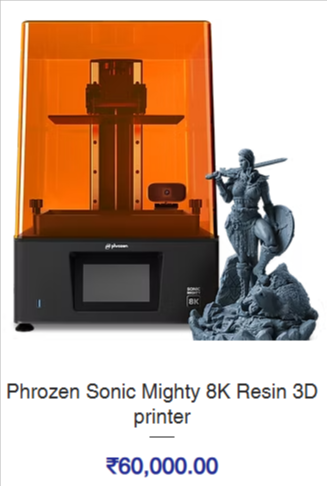
A Resin 3D printer creates three-dimensional objects using liquid photopolymer resin rather than conventional plastic filament. The printer exposes selected areas of resin to a light source, causing the material to cure and form solid layers.
Depending on the printer technology, resin machines may use methods such as LCD, MSLA or other light-based systems. Modern resin printers can produce highly detailed models with impressive surface finishes.
This makes them particularly useful for objects containing small features, intricate patterns or fine textures.
How Does Resin 3D Printing Work?
The process begins with a digital 3D model created or downloaded by the user. The model is then prepared using slicing software, which converts the design into individual layers.
The printer places or exposes liquid resin according to the information contained in the sliced file. Each layer is cured before the next layer is formed. This process continues until the complete model has been created.
After printing, the model generally requires post-processing. This may include washing away excess resin and curing the finished model to achieve the desired properties.
Why Choose a Resin 3D Printer?
One of the main advantages of resin printing is its ability to produce detailed models. The technology can be particularly useful when fine features and smooth surfaces are more important than simply producing large objects.
Resin printing can also be valuable for rapid prototyping. Designers can create physical versions of concepts and inspect details before moving towards final manufacturing.
For businesses, this can help speed up the design development process and make it easier to identify potential issues early.
Applications of Resin 3D Printing
A Resin 3D printer can be used across a wide range of industries and applications.
Jewellery: Detailed patterns and intricate designs can be produced for prototyping and development.
Dental: Specialised resin printing can be used for certain dental models and applications, depending on the equipment and certified materials.
Miniatures: Resin printers are popular for creating highly detailed figures and miniature models.
Product development: Designers can produce prototypes with fine details before committing to other manufacturing methods.
Engineering: Detailed components and prototypes can be created for evaluation and design testing.
Education: Students can use resin printing to explore detailed designs and practical manufacturing concepts.
Important Features to Consider
When choosing a resin printer, several specifications deserve attention.
Print Resolution
Resolution is important when your application requires fine details. Higher-resolution systems can be beneficial for intricate designs and small features.
Build Volume
Consider the size of the objects you intend to print. A compact printer may be sufficient for miniatures and small prototypes, while larger projects require greater build capacity.
Printing Speed
Printing speed can influence productivity, especially when producing multiple models regularly. However, speed should be considered alongside print quality and reliability.
Software Compatibility
User-friendly slicing software can make the preparation process easier. Check whether the printer is compatible with the software you already use or prefer.
Material Compatibility
Different applications may require different types of resin. Always check which materials are compatible with the printer and whether they meet the requirements of your intended application.
Resin Printing vs Filament Printing
Both resin and filament printers have their advantages.
Filament-based systems are often suitable for larger functional parts, general prototyping and applications where durable thermoplastic materials are required.
Resin printers are generally preferred when fine details, intricate designs and smooth surfaces are priorities.
The best choice depends on your application rather than simply which technology is considered better.
Post-Processing Requirements
One important difference between resin and filament printing is post-processing. Resin models generally require additional steps after printing.
The printed model may need to be washed to remove uncured resin and then exposed to appropriate curing conditions. Supports may also need to be removed carefully.
Users should follow the manufacturer's instructions for handling, washing and curing materials and should use appropriate protective measures when working with liquid resin.
Choosing Resin for Your Application
Not all resins are the same. Different formulations can provide different characteristics, such as flexibility, toughness, rigidity, temperature resistance or visual properties.
Before selecting resin, consider what the finished model needs to withstand and how it will be used.
For example, a display model may require different material characteristics from a functional prototype.
Why Choose Hydrotech?
Hydrotech provides 3D printing solutions and materials for a variety of professional and commercial applications. Customers can explore different printing technologies and materials according to their specific requirements.
When investing in a Resin 3D printer, it is useful to consider the complete ecosystem, including compatible resin, accessories, post-processing equipment and technical support.
Selecting the right combination of equipment and materials can help users achieve more consistent results.
Is Resin 3D Printing Right for You?
A resin printer can be a strong choice if your priority is detail, precision and surface quality. It can be particularly useful for professionals creating small, intricate models and prototypes.
However, users should also consider the additional post-processing involved and select materials carefully according to their application.
Understanding your printing requirements before purchasing can help you choose a machine that provides the right balance of quality, productivity and convenience.
Final Thoughts
A Resin 3D printer offers an effective way to produce highly detailed models and prototypes with smooth surfaces and fine features. From jewellery and miniatures to product development and specialised professional applications, resin printing has become an important part of modern digital manufacturing.
Before investing, consider build volume, resolution, printing speed, material compatibility, software and post-processing requirements. Choosing the right machine and resin can help you achieve reliable results while making your 3D printing workflow more efficient.
Hydrotech offers solutions for users looking to explore resin-based 3D printing and related materials. With the right equipment, resin printing can become a valuable addition to professional prototyping, design and manufacturing workflows.
FAQs
1. What is a Resin 3D printer used for?
A Resin 3D printer is commonly used for detailed prototypes, miniatures, jewellery models, product designs, specialised models and other applications requiring fine detail.
2. Is resin printing better than filament printing?
Neither technology is universally better. Resin printing is generally suited to detailed models and smooth surfaces, while filament printing can be useful for larger functional parts and a broad range of applications.
3. Does a resin printer require post-processing?
Yes. Resin prints typically require steps such as washing and curing after printing, along with support removal where applicable.
4. What should I consider before buying a Resin 3D printer?
Consider resolution, build volume, printing speed, compatible materials, software, reliability and your intended application.
5. Can businesses use Resin 3D printers?
Yes. Businesses can use resin printing for prototyping, product development, detailed models and various specialised applications.
6. Where can I find resin 3D printing solutions in India?
Hydrotech offers resin-based 3D printing solutions and related materials for different professional and commercial requirements.




 English
 Arabic
 French
 Spanish
 Portuguese
 Deutsch
 Turkish
 Dutch
Dutch
 Italiano
 Russian
 Portuguese (Brazil)
 Greek
Greek
