


What Should You Look for When Hiring Real Estate Website Developers?
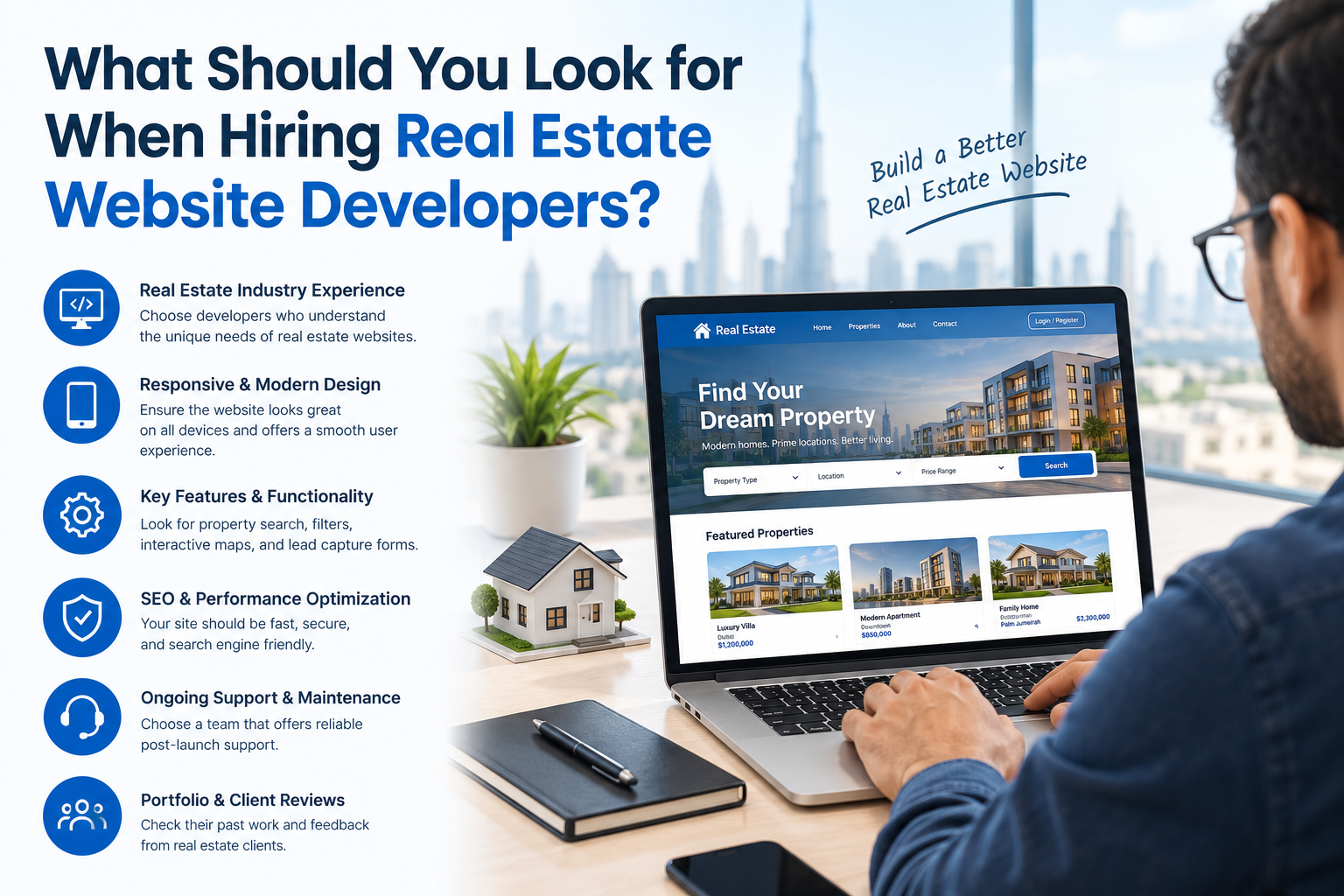
In today's digital-first real estate market, having a professional website is no longer optional—it's essential. Your website often serves as the first impression potential clients have of your business, making the choice of developer critically important. Whether you're a real estate agent, brokerage firm, or property management company, selecting the right web developer can mean the difference between a thriving online presence and a wasted investment. This guide will walk you through the key factors to consider when hiring a real estate website developers.
Technical Skills and Expertise
Proficiency with Real Estate-Specific Technologies
The best real estate website developers understand the unique technical requirements of the industry. Look for developers who have experience with multiple technology stacks and can recommend solutions tailored to real estate needs. They should be comfortable working with popular platforms like WordPress, custom PHP solutions, or modern frameworks like React and Vue.js.
A strong real estate developer should understand MLS (Multiple Listing Service) integration, which is crucial for displaying property listings directly from MLS databases. This technical capability saves time and ensures your listings are always current without manual updates.
Programming Languages and Frameworks
Inquire about the developer's proficiency in essential web technologies: HTML, CSS, JavaScript, and backend languages like PHP, Python, or Node.js. Modern real estate websites often require progressive web application (PWA) capabilities and responsive design frameworks. The developer should be familiar with both frontend and backend development or work within a team that covers both areas.
Database Management
Real estate websites handle significant amounts of data—property listings, client information, and transaction histories. Ensure your developer is experienced with robust database systems like MySQL, PostgreSQL, or MongoDB. They should understand database optimization, which directly impacts your website's loading speed and performance.
SEO Technical Knowledge
Search engine optimization is vital for real estate websites since potential clients often search for properties by location. Your developer should have solid SEO knowledge, including proper implementation of meta tags, structured data markup (Schema.org), XML sitemaps, and canonical URLs. A developer who understands how to optimize a real estate website for local search will significantly increase your online visibility.
Portfolio and Track Record
Relevant Experience in Real Estate
Review the developer's portfolio specifically for real estate projects. Have they built websites for real estate agents, brokerages, or property management companies? Real estate websites have unique requirements—property search functionality, mortgage calculators, neighborhood information integration—that differ significantly from other industries.
Ask for references from previous real estate clients and actually contact them. Inquire about their experience: Was the website delivered on time? Does it perform well? Has the developer provided ongoing support? Real references provide invaluable insight into the developer's professionalism and reliability.
Quality of Previous Work
Examine the design and functionality of their previous projects. Do the websites load quickly? Is navigation intuitive? Are property listings displayed prominently and beautifully? Try searching for properties, applying filters, and using contact forms to get a real sense of the user experience. Poor performance on previous projects is a red flag for future work.
Case Studies and Results
Look for developers who provide case studies showing measurable results. Did their previous real estate clients see increased leads? Improved conversion rates? Better search engine rankings? A developer confident in their work should have documented success stories they can share.
User Experience and Design
Mobile-First Design Philosophy
Real estate searches happen increasingly on mobile devices. Your developer must prioritize mobile design, not just ensure the desktop version works on phones. Property listings should display beautifully on small screens, and navigation should be thumb-friendly. Responsive design isn't enough—the developer should advocate for mobile-first design principles.
Intuitive Property Search Functionality
A real estate website lives and dies by its search functionality. The developer should create advanced search filters that allow visitors to search by price range, location, property type, number of bedrooms, and custom features. The search should be fast and return results intuitively. If users become frustrated searching for properties, they'll leave for your competitor's site.
Visual Appeal and Professional Design
While functionality matters most, aesthetics are important too. Your website should look modern and professional. The developer should have a strong design sense or work with a designer who does. High-quality images, clean layouts, and thoughtful color schemes build trust with potential clients.
Accessibility Standards
Ensure the developer builds websites following WCAG (Web Content Accessibility Guidelines). This means making your site usable for people with disabilities—a legal requirement in many jurisdictions and simply the right thing to do. An accessible website reaches more potential clients.
Integration and Tools Knowledge
CRM Integration
Most real estate professionals use Customer Relationship Management (CRM) systems like Follow Up Boss, BoomTown, or Zoho. Your developer should be able to integrate your website with your CRM to automatically capture leads and sync contact information. This automation is crucial for efficiency.
Virtual Tour and Media Integration
Modern real estate websites feature virtual tours, 360-degree photography, and video walkthroughs. Your developer should understand how to integrate these multimedia elements smoothly without compromising website speed. Knowledge of platforms like Matterport or 3D tour software integration is valuable.
Third-Party Service Integration
Real estate websites often need to integrate with multiple services: email marketing platforms, appointment scheduling tools, mortgage calculators, and neighborhood information providers. Your developer should be comfortable working with APIs and third-party services.
Analytics and Tracking
Ask how the developer implements analytics. They should set up Google Analytics properly, track user behavior, and provide meaningful reports. For real estate, tracking which properties get the most views and how long visitors spend on listing pages provides valuable business intelligence.
Communication and Project Management
Clear Communication Skills
Technical expertise means nothing if the developer can't explain complex concepts in understandable terms. Look for developers who ask clarifying questions, explain their recommendations, and keep you informed throughout the project. Poor communication leads to misaligned expectations and disappointing results.
Project Timeline Management
Request a realistic project timeline with clear milestones. Experienced developers understand how long real estate websites typically take and build in buffer time. Be wary of developers who promise unrealistically quick turnarounds or seem vague about timelines.
Collaborative Approach
Your developer should involve you in the process, seeking your input on design decisions, feature priorities, and business goals. A collaborative approach ensures the final product aligns with your vision.
Responsiveness
How quickly does the developer respond to emails and calls? This responsiveness during the hiring process indicates what to expect after launch. A developer who's hard to reach now will be difficult to reach when you need support.
Support and Maintenance
Post-Launch Support Services
Ask what happens after launch. Will the developer provide ongoing support? What's included? How are issues handled? Quality developers offer maintenance packages that include regular updates, security patches, and performance monitoring.
Training and Documentation
The best developers don't leave you helpless after launch. They should provide training on how to update content, manage listings, and handle basic troubleshooting. Clear documentation should be included.
Update and Version Management
Your website will need regular updates for security, functionality, and WordPress/framework updates. Confirm the developer provides these services or clearly communicates how you'll manage updates independently.
Backup and Security
Your website contains sensitive client information. The developer should implement robust security measures, regular backups, and SSL encryption. Ask about their security protocols before hiring.
Budget and Value
Transparent Pricing
Avoid developers who provide vague pricing. You should understand what you're paying for—design hours, development hours, integrations, hosting setup. While cost matters, the cheapest option often costs more in the long run through poor performance and lack of support.
ROI Consideration
Think beyond initial cost. A developer who creates a conversion-optimized website that generates more leads provides better value than a cheaper alternative that doesn't convert. Discuss how they'll approach optimization for your specific goals.
Contract Terms
Ensure you have a clear contract specifying deliverables, timelines, payment terms, intellectual property rights, and support. Ambiguity creates conflict; clarity prevents it.
Conclusion
Hiring a real estate website developer is one of the most important decisions you'll make for your business. Take time to evaluate candidates thoroughly on technical skills, portfolio quality, design capabilities, communication style, and support offerings. The right developer will create a fast, beautiful, functional website that generates leads and showcases your properties professionally. This investment in a quality developer pays dividends through increased visibility, lead generation, and professional credibility in your market. Don't rush the selection process—your website is too important to leave to chance.

 English
 Arabic
 French
 Spanish
 Portuguese
 Deutsch
 Dutch
Dutch
 Italiano
 Russian
 Romaian
 Portuguese (Brazil)
 Greek
Greek
