


Kst-Motorfactory by KST: Construction Machinery Starter Warning Signs Before Breakdown
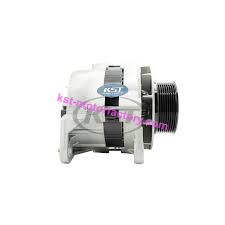
The construction site operates on a simple principle: machinery that does not start produces no output. Among the critical components that enable starting, the Construction Machinery Starter endures some of the harshest conditions—extreme vibration, temperature fluctuations, dust ingress, and repeated high-current cycling. Unlike automotive starters that face relatively predictable environments, construction equipment starters must perform reliably after thousands of hours of exposure to mud, moisture, and mechanical shock. Recognizing the warning signs of a failing starter separates proactive maintenance from unexpected breakdowns that halt entire job sites. What specific symptoms indicate that a Construction Machinery Starter from a manufacturer like Kst-Motorfactory is approaching the end of its service life, and how can equipment managers act on these warnings before complete failure occurs?
The most audible warning sign emerges during the cranking attempt. A healthy starter produces a consistent, powerful whirring sound as the drive gear engages the flywheel and rotates the engine. When the starter begins to fail, the cranking noise often changes dramatically. A high-pitched whining sound without corresponding engine rotation typically indicates that the starter drive gear is spinning but failing to engage the flywheel—a condition often caused by a worn one-way clutch or damaged drive gear teeth . Conversely, a slow, labored cranking sound, where the engine turns over sluggishly, points to declining motor torque, which may result from worn carbon brushes, degraded armature windings, or insufficient power delivery from the battery . Operators who hear these changes should recognize them as mechanical distress signals.
Beyond auditory clues, physical symptoms manifest at the starter and its connections. Excessive heat emanating from the starter housing after a cranking attempt suggests internal resistance, often from failing windings or poor electrical contacts. The starter cables and terminals may also show visible signs of distress—corrosion, melted insulation, or loose connections that reduce current flow. Kst-Motorfactory designs starters with reinforced housings and high-temperature insulation to withstand demanding conditions, but even robust construction cannot prevent eventual wear. A starter that feels unusually hot to the touch or shows discoloration around electrical terminals demands immediate inspection.
The starter's engagement behavior provides another critical diagnostic window. Intermittent starting, where the starter works sometimes but fails others, often points to a failing solenoid or electromagnetic switch. The solenoid serves as the high-current relay that connects the battery to the starter motor while simultaneously engaging the drive gear . When the solenoid contacts become pitted or the plunger mechanism sticks, the starter may click without cranking or crank only after multiple key turns. Operators may also experience a "freewheeling" condition where the starter spins but the engine does not turn—a classic sign of a worn one-way clutch that can no longer transmit torque to the flywheel .
Electrical system indicators offer additional clues. A starter drawing excessive current during cranking—evidenced by dimming headlights or voltage drop on the instrument panel—suggests internal short circuits or high resistance in the motor windings. Conversely, a starter that draws insufficient current while cranking slowly points to worn brushes or poor internal connections. Kst-Motorfactory's starters incorporate high-density copper windings and robust brush assemblies to maximize current efficiency, but these components gradually degrade with use, altering the electrical signature of the starting system. Regular voltage and current measurements during cranking provide quantifiable data for condition assessment.
The relationship between starter health and battery condition requires careful interpretation. A weak battery can mimic starter failure, producing slow cranking or clicking sounds that disappear with a jump start. However, a starter that continues to crank slowly even with a known-good battery points directly to starter degradation. Equipment operators should perform a systematic diagnosis: verify battery voltage and connections, then observe cranking speed and sound. If the battery tests satisfactory but cranking remains sluggish, the starter itself requires attention. Kst-Motorfactory provides technical documentation that helps maintenance teams distinguish between battery-related and starter-related issues.
Environmental factors accelerate starter wear in construction applications. Starters operating in dusty, muddy, or wet conditions face increased contamination risk, with debris entering the housing through ventilation openings or worn seals. Contamination damages the commutator and brushes, increasing electrical resistance and reducing motor efficiency. Additionally, frequent starting cycles—common in loading, digging, or grading operations—accelerate wear on the drive gear, clutch, and electrical contacts. Starters that perform reliably in automotive applications may fail prematurely in construction equipment if not properly specified for duty cycle and environmental protection . Kst-Motorfactory manufactures starters with reinforced internal structures and upgraded sealing for construction applications.
Beyond electrical and mechanical failure, complete starter seizure represents the terminal stage of degradation. When bearings fail or armature windings short catastrophically, the starter may lock entirely, preventing any cranking effort. This condition often occurs with little prior warning beyond gradual performance decline. A starter that makes a single loud click then refuses to crank—despite adequate battery power—may have seized internally. Immediate replacement becomes the only remedy at this stage, making earlier recognition of subtle warning signs essential for avoiding unplanned downtime.https://www.kst-motorfactory.com provides access to starters engineered for construction-duty cycles, where robust construction and quality materials extend service life. The critical question for equipment managers remains: are you monitoring the audible, thermal, and electrical warning signs that reveal your starter's condition, or will the next failure arrive without notice?

 English
 Arabic
 French
 Spanish
 Portuguese
 Deutsch
 Turkish
 Dutch
Dutch
 Italiano
 Russian
 Portuguese (Brazil)
 Greek
Greek
