


How Can the Right Heat Exchanger Design Lower Long-Term Operating Costs?
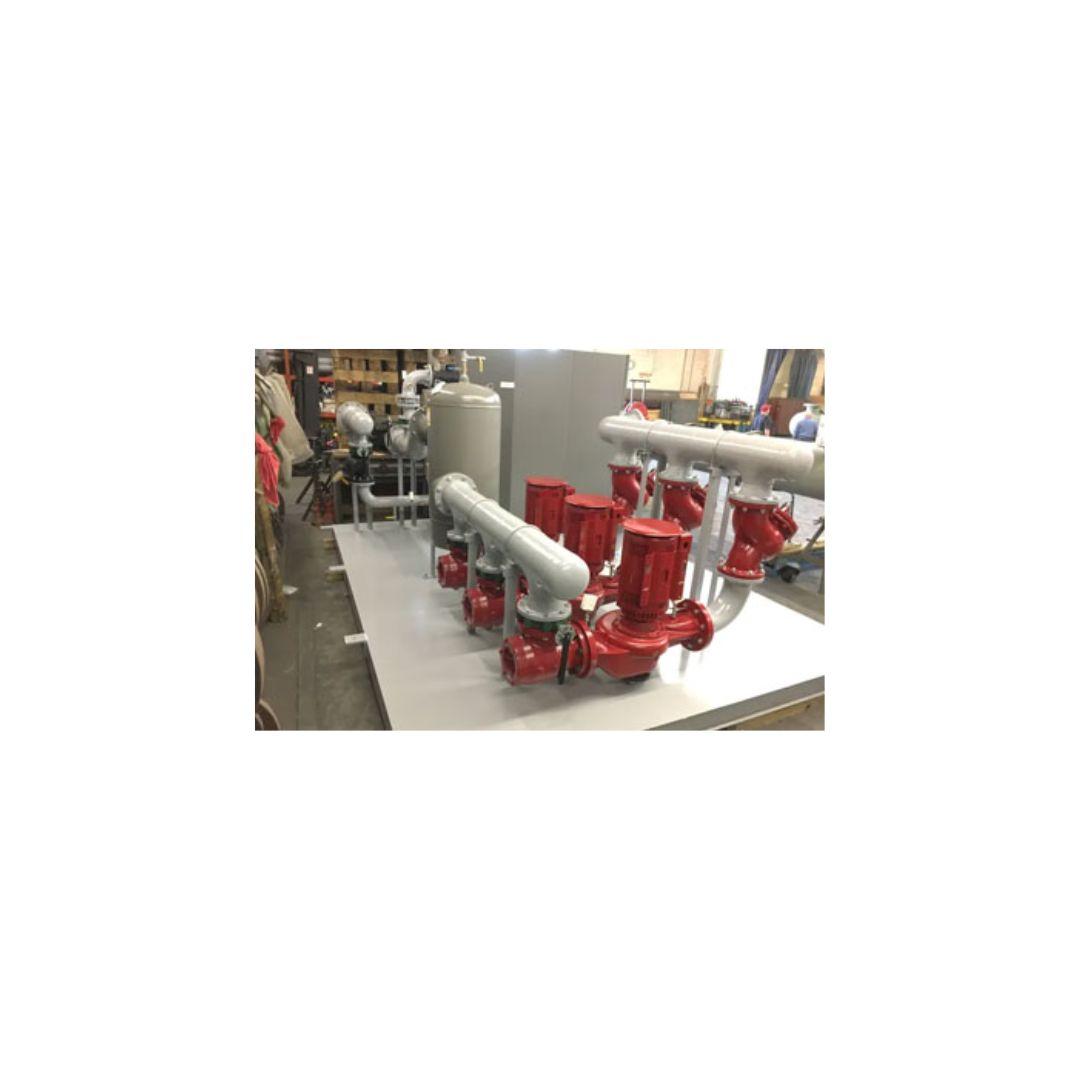
The lowest purchase price does not always mean the lowest cost over the life of a heat exchanger. A better approach is to look at how the unit transfers heat, handles pressure, uses space, and responds to the actual process. High-efficiency heat exchangers on Long Island can be designed around these factors. This can help a plant get more useful heat from the same process stream while limiting unnecessary equipment size, pumping demand, service work, and downtime. The right design also gives the plant a clearer idea of future operating needs before the equipment is ordered.
The Real Cost Starts After Installation
A heat exchanger can cost money long after it leaves the factory. Energy for pumps, cleaning, repairs, replacement parts, and lost production can add to the ownership cost.
This is why equipment selection should include a life cycle view. A unit with a higher starting price may make more sense if its design reduces service needs and performs well under the plant's actual load.
The key question is simple: How much will this exchanger cost to own, not just to buy? This approach can help plant owners compare equipment on useful performance rather than purchase price alone. It also makes it easier to spot costs that may appear only after installation.
More Heat From Less Equipment Space
Heat transfer area plays a major role in exchanger size. A well-planned design can use the available surface more effectively, which may allow the required duty to fit into a smaller package.
This matters in plants with limited floor space. A compact unit can also reduce the space needed for piping, supports, and installation.
Some Swedish heat exchanger designs use coiled tubing arranged inside a shell. This construction can provide a large heat transfer surface in a compact vessel. The exact result depends on fluid properties, flow rates, temperatures, and required duty
A compact design can also help during plant upgrades. It may fit into an existing area with fewer layout changes. The final size still needs to match the required heat duty and mechanical limits.
The Pump Should Not Pay for Poor Design
Heat transfer is only part of operating cost. The fluid must also move through the exchanger.
If the flow path creates too much resistance, pumps may need more power to maintain the required flow. A good design seeks a useful balance between heat transfer and pressure drop.
Tube diameter, coil length, fluid thickness, flow rate, and internal arrangement all affect this balance. Engineers can review these values before fabrication rather than trying to correct an unsuitable flow path after installation.
This review can also help avoid a unit that transfers heat well but creates an excessive pressure drop. Both results matter for daily plant operation.
Seals Can Change the Maintenance Picture
The way an exchanger is joined can affect service needs. Some heat exchanger designs depend on gaskets or seals between fluid passages. These parts may require inspection or replacement as service conditions change.
A shell and coil design that uses continuous tubing can avoid certain seal points within the heat transfer path. Elge's history describes its concentric copper tubing design as a way to eliminate seals used in other arrangements.
This does not mean every shell and coil exchanger has the same maintenance profile. The actual construction, materials, pressure, temperature, and process fluid must be reviewed.
The connection design should also match the service conditions. High pressure, high temperature, and corrosive fluids can place strict demands on every part of the exchanger.
Fouling Is a Hidden Operating Expense
A clean heat transfer surface works differently from one covered with deposits. Scale or process residue can reduce heat transfer and increase flow resistance.
The right design should consider the fluid from the start. Engineers can review fouling tendency, tube size, flow conditions, cleaning access, and expected service intervals.
This helps avoid a common problem: buying a unit based on clean performance while the real process creates deposits that reduce capacity.
Cleaning needs should be part of the first equipment discussion. A design that is easy to inspect and service can help reduce long shutdowns and keep heat transfer closer to the required level.
Design For The Process You Actually Have
Process conditions can change during a production cycle. Flow may rise or fall. Temperatures may vary. Different fluids may pass through the same system.
A suitable exchanger should be checked against the full operating range. Engineers should review heat duty, flow rates, inlet and outlet temperatures, pressure, fluid chemistry, material compatibility, and cleaning needs.
This process data is more useful than choosing equipment by size alone.
It can also help the supplier select the right tube material, shell material, connection type, heat transfer area, and flow arrangement. A clear specification reduces guesswork and gives the design team better information before fabrication begins.
Sum Up:
Long-term cost control comes from several small design choices working together. Good heat transfer, sensible pressure drop, suitable materials, compact construction, and practical service requirements can all affect ownership cost. For a plant considering new equipment or replacing an older unit, ask for a technical review based on real process data. A qualified supplier can compare the duty with the required exchanger design and explain the expected operating demands. If you are evaluating high-quality Swedish-designed heat exchangers, share your process conditions, space limits, pressure requirements, fluid details, and heat duty with the supplier. Request a technical evaluation today to identify an exchanger design that fits your process and helps control long-term operating costs.

 English
 Arabic
 French
 Spanish
 Portuguese
 Deutsch
 Turkish
 Dutch
Dutch
 Italiano
 Russian
 Portuguese (Brazil)
 Greek
Greek
