


Heavy-Duty Industrial Alternators for Tractors, Excavators & Farm Equipment
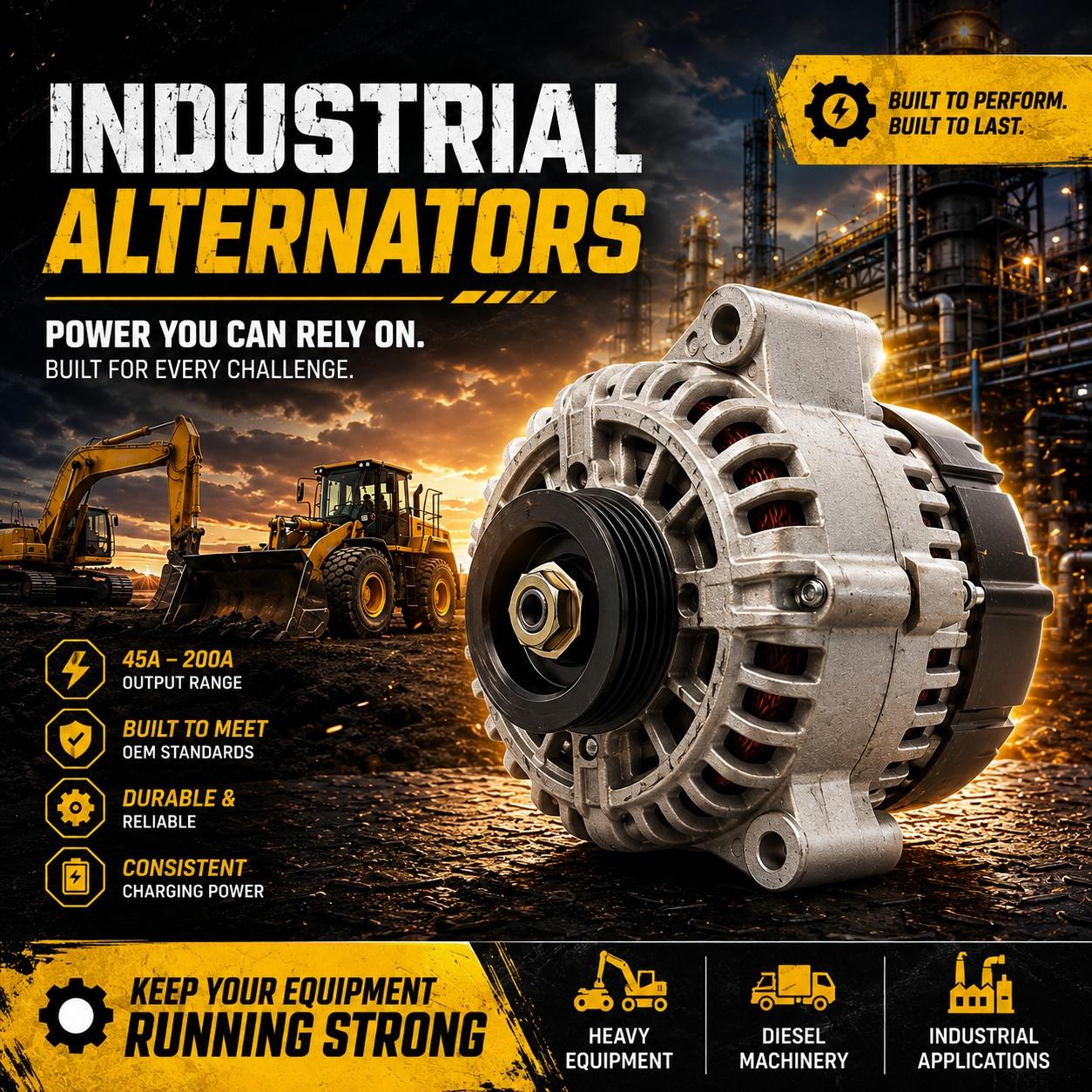
Modern industrial and agricultural equipment depends on a healthy electrical system to keep running. Tractors, excavators, loaders, seed sprayers, and other heavy machinery all rely on the alternator to keep the electrical system charged while the engine is on. A weak or failing alternator can lead to a dying battery, electrical faults, hard starts, and unplanned equipment downtime.
Denparts specializes in brand-new aftermarket replacement industrial and agricultural alternators built for a wide range of farming equipment and heavy machinery. The industrial alternator selection covers applications tied to major equipment and component brands such as John Deere, Denso, Deutz, Oliver, Kubota, Caterpillar, Massey Ferguson, and New Holland.
What Is an Industrial Alternator?
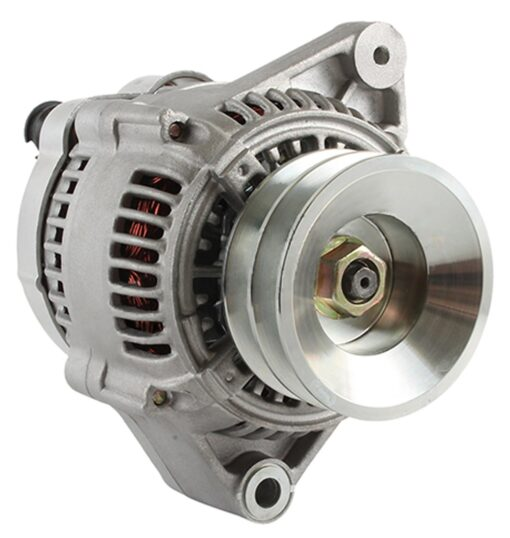
An industrial alternator is a part driven by the engine that produces electricity while the machine is running. The basic idea is the same as an alternator in a car, but industrial versions are built to hold up under tougher working conditions — dust, vibration, long hours, and harsh outdoor environments.
In simple terms, the alternator turns the engine's mechanical motion into electrical energy. That energy powers the machine's electrical accessories and systems, and it also tops the battery back up after the engine has been started.
Industrial machinery can have a lot riding on its electrical system — lights, gauges, control systems, sensors, and other equipment-specific features. A properly working alternator is what keeps all of that running smoothly.
For businesses and equipment operators, this matters because downtime costs money. When electrical problems take a machine out of service, the job stops too.
How Does an Industrial Alternator Work?
The basic idea is straightforward.
While the engine runs, it spins the alternator through a belt or another mechanical connection. Inside, rotating parts pass by stationary windings, and that motion generates electricity. The alternator then regulates and converts that electricity into a form the machine's systems can use.
At the same time, the alternator keeps the battery topped up. The battery does the work of starting the engine, and once the engine is running, the alternator takes over most of the electrical load.
If the alternator isn't producing enough power, the battery slowly drains. Over time this can show up as dim lights, electrical glitches, warning lights on the dash, or trouble starting the machine.
Why Are Industrial Alternators Important?
Reliability matters in industrial and agricultural settings. A tractor or excavator that goes down because of an electrical problem can bring an entire job to a stop.
A dependable alternator helps:
-
Keep the battery charged
-
Supply steady power while the engine runs
-
Support lighting and electronic systems
-
Lower the risk of unexpected electrical downtime
-
Keep machinery ready for demanding work
-
Support consistent operation of electrical accessories
Denparts understands how much downtime can cost in an industrial setting, where every lost working minute adds up. The industrial lineup includes replacement alternators for tractors, excavators, seed sprayers, and both smaller and larger engines.
Because of this, choosing the right replacement alternator is about more than finding something that physically fits — it needs to match the equipment's electrical and mechanical needs.
Applications of Industrial Alternators
Industrial alternators show up across many types of equipment. Agricultural machinery, construction equipment, and other heavy-duty applications often need alternators matched to their specific engine, mounting style, and electrical demands.
Tractors Farm tractors depend on their electrical systems for starting, lighting, instruments, and controls, often during long stretches of continuous work. A reliable alternator helps keep everything running through those long days in the field.
Denparts carries farm tractors and agricultural alternators for a range of equipment applications, making them a solid option when it's time to replace a worn or failed unit.
Excavators Excavators work in demanding environments where steady electrical power really matters. Their electrical systems help run engine controls, instruments, lighting, and other functions on the job site.
Denparts' industrial inventory includes alternators for excavator applications, including those built around Komatsu equipment.
Loaders and Backhoes Skid steer loaders, wheel loaders, and backhoes also lean on their electrical systems throughout the workday. The right alternator helps keep the battery charged and the electrical equipment working the way it should.
Denparts offers replacement alternators for loader and backhoe applications, including Bobcat equipment, as well as skid steer and telescopic handler applications from brands like Schaffer.
Agricultural Equipment Seed sprayers and other farming machinery often need alternators built for their specific setup. Since agricultural equipment tends to run for long periods at a stretch, dependable charging is especially important here.
How to Choose the Right Industrial Alternator
Picking a replacement alternator should come down to compatibility, not just a similar look. Before buying, take a careful look at the original unit and your equipment's specifications.
-
Verify Equipment Make and Model Start by identifying the equipment's manufacturer, model, and production year, if you have it. Industrial alternators are often built for specific machinery and engine combinations, so this detail matters.
-
Check the Engine The engine is another key piece of the puzzle. Two machines can look nearly identical on the outside but use different engines — and different alternators. Compare your engine to the replacement's listed application.
-
Match Electrical Output The replacement alternator needs to supply the right amount of electrical output for your machine. A higher-output alternator isn't automatically the right fit — the electrical system and mounting setup need to line up too.
-
Compare Mounting and Connections Physical fit matters just as much. Check mounting points, terminal setup, pulley arrangement, rotation direction, and overall dimensions against the original part.
-
Check Part Numbers If your original alternator has a manufacturer or OEM part number, use it. Comparing that number against the replacement's cross-reference information is one of the most reliable ways to confirm you're ordering the right part.
Industrial Alternator Maintenance Tips
A little regular maintenance goes a long way toward extending the life of the alternator and the rest of the electrical system.
Start by checking the alternator belt regularly. A loose, worn, or damaged belt can keep the alternator from doing its job properly.
It also helps to watch for warning signs, such as:
-
A battery that keeps losing its charge
-
Electrical accessories getting weaker
-
Unusual noises coming from the alternator
-
A charging-system warning light on the dash
-
Trouble starting the machine
-
Visible wear on the belt
-
Voltage irregularities in the electrical system
If you notice any of these, check the charging system before assuming the battery is the problem. A battery can keep failing if the alternator isn't charging it the way it should.
Why Consider Denparts for Industrial Alternators?
Finding the right replacement part can be tricky when your equipment uses specialized components. Denparts.ca offers a wide selection of aftermarket industrial and agricultural alternators built for many different types of machinery.
The industrial alternator category includes applications for brands and equipment such as Kubota engines, Bobcat loaders, Schaffer equipment, Komatsu excavators and wheel loaders, Caterpillar applications, and heavy-duty trucks.
Before ordering, it helps to compare your equipment's specifications, engine details, mounting style, and part number against the listing — that extra step goes a long way toward getting the right part the first time.
Conclusion
A dependable alternator is an essential part of any industrial machine's electrical system. Whether it's a tractor working a field, an excavator on a construction site, or a loader at a job site, the right alternator helps keep the battery charged and the electrical systems running smoothly.
When picking a replacement, take the time to verify the equipment model, engine, electrical output, mounting setup, and part number. Choosing the right aftermarket replacement helps cut down on unnecessary downtime and keeps equipment ready for work when it's needed.

 English
 Arabic
 French
 Portuguese
 Deutsch
 Turkish
 Dutch
Dutch
 Italiano
 Russian
 Romaian
 Portuguese (Brazil)
 Greek
Greek
