Lipedema is a chronic condition that causes an unusual and disproportionate accumulation of fatty tissue, most commonly in the legs and sometimes in the arms. It primarily affects women and may become more noticeable during hormonal changes such as puberty, pregnancy, or menopause. lipedema riyadh is an important condition to understand because its symptoms can sometimes be mistaken for ordinary weight gain, obesity, or fluid retention.
Unlike general weight gain, lipedema often follows a distinctive pattern. Both sides of the body may become similarly enlarged, while the feet and hands are usually unaffected. People may also experience tenderness, heaviness, sensitivity, or easy bruising in the affected areas. Lipedema in Riyadh can therefore involve more than a change in appearance; it may also affect physical comfort, mobility, and everyday quality of life.
What Is Lipedema?
Lipedema is a disorder involving the abnormal distribution and accumulation of fatty tissue. The exact cause is not fully understood, but hormonal and genetic factors are believed to play a role. It is different from simply having excess body weight and can occur in people of different body sizes.
Where Does Lipedema Usually Develop?
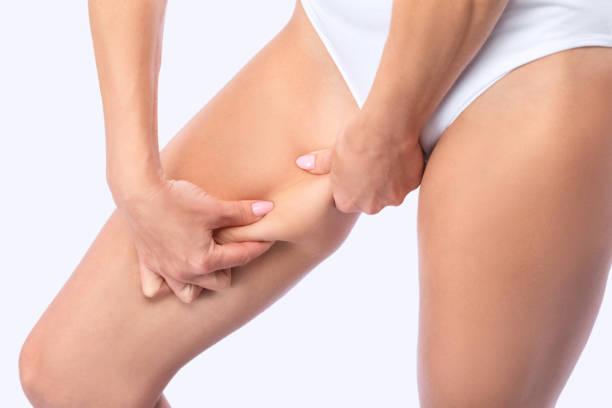
Lipedema most commonly affects the hips, buttocks, thighs, and lower legs. In some cases, the upper arms can also be affected. The distribution is often symmetrical, meaning both legs or arms may become enlarged in a similar pattern.
What Are the Common Symptoms of Lipedema?
Recognizing the typical symptoms can help distinguish lipedema from other conditions that cause changes in body size or swelling.
Disproportionate Fat Accumulation
One of the most noticeable characteristics is disproportionate enlargement of the lower body. The legs may appear significantly larger than the upper body even when overall body weight changes.
Tenderness and Pain
Lipedema-affected tissue can be sensitive or painful when touched or compressed. Some individuals describe aching, pressure, or discomfort in their legs, particularly after standing or remaining active for long periods.
Easy Bruising
People with lipedema may bruise more easily than expected. Minor pressure or small bumps can sometimes result in visible bruising. However, easy bruising can have other causes, so it should be considered alongside other symptoms.
Heaviness in the Legs
As affected tissue increases, the legs may feel heavy or tired. This sensation can sometimes make walking, exercising, or standing for extended periods more difficult.
How Does Lipedema Affect the Body?
Lipedema can affect the body physically as well as emotionally. Changes in the size and shape of the legs or arms may make clothing fit differently and can influence how a person feels about their appearance.
Changes in Body Proportions
The disproportion between the upper and lower body can become increasingly noticeable. Unlike general weight gain, lipedema tends to follow a characteristic distribution rather than affecting all parts of the body equally.
Impact on Mobility
Heaviness, discomfort, and increased tissue volume may affect movement in some individuals. As symptoms progress, everyday activities such as walking, climbing stairs, or standing for long periods may become more challenging.
Is Lipedema the Same as Obesity?
No. Obesity involves excessive accumulation of body fat more generally, while lipedema has a characteristic pattern of disproportionate fatty tissue accumulation. A person can have both lipedema and obesity, but they are separate conditions.
Why Weight Loss May Not Change Lipedema Tissue
General weight loss can reduce body fat in many areas, but lipedema-affected tissue may be relatively resistant to conventional weight-loss efforts. This is one reason why persistent disproportionate enlargement should not automatically be attributed to lifestyle or excess calorie intake.
Is Lipedema the Same as Lymphedema?
Lipedema and lymphedema can look similar, but they have different underlying mechanisms. Lipedema primarily involves abnormal fatty tissue, while lymphedema is associated with impaired lymphatic drainage and accumulation of lymphatic fluid.
The Difference in the Feet
A useful distinguishing feature is that lipedema typically spares the feet. Lymphedema commonly involves the feet and toes, although symptoms can vary. A professional assessment is necessary when the diagnosis is uncertain.
Can Lipedema Get Worse Over Time?
Lipedema can progress in some individuals. Increasing fatty tissue may contribute to greater heaviness, discomfort, and difficulty with movement. In some cases, prolonged changes can also affect lymphatic function, potentially leading to additional swelling.
Why Early Assessment Can Help
Recognizing the condition early can help people understand their symptoms and explore appropriate management strategies. It can also help identify other conditions that may occur alongside lipedema, such as obesity or lymphatic dysfunction.
How Is Lipedema Diagnosed?
There is no single test that confirms every case of lipedema. A healthcare professional generally considers the person's medical history, symptoms, body-fat distribution, physical findings, and other possible causes of limb enlargement or swelling.
What a Professional Assessment May Consider
An evaluation may look at whether the enlargement is symmetrical, whether the feet are spared, whether the tissue is tender, and whether easy bruising or heaviness is present. Other medical conditions may also need to be ruled out before determining the most appropriate diagnosis and management approach.
When Should You Seek Professional Advice?
If you experience persistent enlargement of the legs or arms, especially when it is symmetrical and accompanied by tenderness, heaviness, or easy bruising, consider seeking professional medical advice. Sudden swelling, significant pain, redness, warmth, or swelling affecting only one limb should also be assessed promptly because these symptoms can have other causes.
Understanding Lipedema in Riyadh can help individuals recognize that unusual changes in body shape are not necessarily caused by ordinary weight gain. A professional evaluation can help distinguish lipedema from obesity, lymphedema, and other conditions and provide guidance based on individual symptoms.
Book an Appointment
If you are experiencing disproportionate fat accumulation, tenderness, heaviness, or persistent changes in your legs or arms, Royal Clinic Saudia can provide professional guidance and personalized assessment. Speaking with a qualified healthcare professional can help you better understand your symptoms and determine the appropriate next steps for your individual needs.
FAQs:
What is the main symptom of lipedema?
The main characteristic is disproportionate and usually symmetrical accumulation of fatty tissue, particularly in the legs. Tenderness, heaviness, and easy bruising may also occur.
Can lipedema affect the arms?
Yes. Although the legs are most commonly affected, lipedema can also involve the upper arms while generally sparing the hands.
Can exercise cure lipedema?
Exercise does not cure lipedema, but appropriate physical activity can support mobility, circulation, muscle strength, and overall health.
Can lipedema and lymphedema occur together?
Yes. Some people with lipedema can develop lymphatic dysfunction, resulting in additional fluid-related swelling. This combination may require specialized professional assessment.




 English
 French
 Spanish
 Portuguese
 Deutsch
 Turkish
 Dutch
Dutch
 Italiano
 Russian
 Romaian
 Portuguese (Brazil)
 Greek
Greek
