


What Questions Can You Ask During a Confidential Gynecologist Consultation Online?
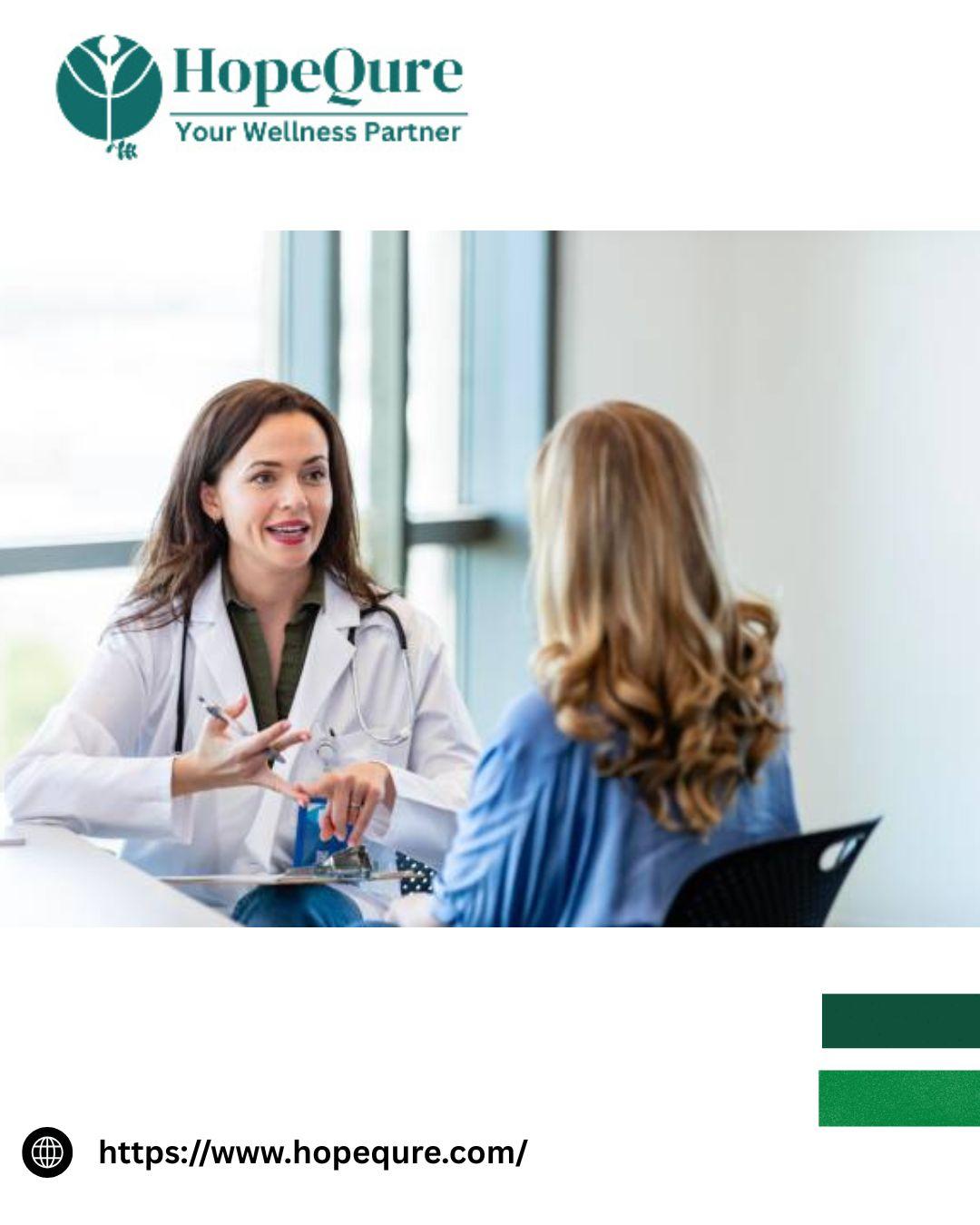
Women’s health involves many questions that can sometimes feel too personal or uncomfortable to discuss in a traditional clinic setting. Whether you are dealing with period problems, hormonal changes, vaginal discomfort, PCOS symptoms, fertility concerns, or other gynecological issues, getting professional guidance can make things easier. A female gynecologist online consultation india can provide a convenient way to discuss your concerns from a familiar and private environment. But what exactly should you ask during an online appointment? Knowing what to discuss can help you make the most of your consultation and communicate your concerns clearly.
Why Preparing Questions Before Your Consultation Matters
An online gynecology consultation may be relatively short, so it is useful to prepare your questions beforehand. Many women remember an important concern only after the consultation has ended.
Writing down your symptoms, concerns, and questions before your appointment can help you stay organized. You do not need to use complicated medical terminology. Simply describe what you have been experiencing and ask what you want to understand.
For example, you might want to ask:
-
Is my menstrual cycle considered regular?
-
What could be causing my period changes?
-
Should I be concerned about unusual discharge?
-
Could my symptoms be related to hormonal changes?
-
When should I get an in-person examination?
-
What tests might a doctor recommend?
-
Could my symptoms be connected to PCOS?
-
What information should I monitor before my next appointment?
Questions About Irregular Periods
Changes in menstrual patterns are among the common reasons women seek gynecological advice. Your periods may become earlier, later, heavier, lighter, longer, or shorter than usual.
Instead of simply saying, “My periods are irregular,” try to provide more details.
You can ask:
Is My Menstrual Cycle Normal?
Menstrual cycles can vary between individuals. Ask the gynecologist whether your cycle pattern appears typical based on your age, symptoms, and personal history.
Keep track of:
-
The first day of each period
-
How many days bleeding lasts
-
Approximate bleeding intensity
-
Spotting between periods
-
Pain or cramps
-
Any recent changes in your cycle
What Could Be Causing My Irregular Periods?
Irregular periods can have different possible causes. Hormonal fluctuations, stress, changes in weight, certain medications, thyroid-related conditions, PCOS, and other factors may influence menstrual patterns.
Rather than assuming one particular cause, discuss your complete symptoms with a qualified gynecologist.
Questions About Period Pain
Some menstrual discomfort can be common, but severe or unusual pain deserves appropriate medical attention.
You can ask:
-
Why are my periods more painful than before?
-
How can I track my pain?
-
When does menstrual pain require further evaluation?
-
Could another gynecological issue contribute to my symptoms?
-
Would I need an in-person examination?
-
Are there safe ways to manage mild menstrual discomfort?
If pelvic pain is sudden, severe, persistent, or accompanied by other concerning symptoms, an online consultation may not be sufficient. Prompt in-person medical assessment may be necessary.
Questions About Heavy Menstrual Bleeding
Heavy bleeding can be concerning, particularly when it interferes with daily activities or causes weakness.
During your consultation, you can ask:
-
How can I determine whether my bleeding is unusually heavy?
-
What information should I record about my periods?
-
Could heavy periods contribute to anemia?
-
What tests might be necessary?
-
When should I seek immediate medical attention?
If bleeding is extremely heavy or you experience fainting, severe weakness, dizziness, or other serious symptoms, seek urgent medical care rather than waiting for an online appointment.
Questions About PCOS and Hormonal Symptoms
PCOS is a common topic in women's health consultations. However, symptoms such as irregular periods, acne, unwanted hair growth, and weight changes can have different causes.
You can ask:
Could My Symptoms Be Related to PCOS?
A gynecologist can discuss your symptoms and medical history and explain whether further evaluation may be appropriate.
What Tests Are Usually Considered?
Depending on your situation, a doctor may discuss blood tests, ultrasound, or other assessments. Not everyone with similar symptoms requires exactly the same evaluation.
Can Lifestyle Changes Help?
Ask what lifestyle factors may be relevant to your individual circumstances. Avoid following generic social media advice without understanding whether it is appropriate for you.
Questions About Vaginal Discharge
Vaginal discharge can naturally change throughout the menstrual cycle. However, changes in color, smell, consistency, or quantity can sometimes indicate a problem that needs evaluation.
You can ask:
-
Is this type of discharge potentially normal?
-
What symptoms should I monitor?
-
Could itching or burning be significant?
-
When would testing be recommended?
-
Do I need an in-person examination?
Providing accurate information about the discharge and associated symptoms can help the gynecologist determine the appropriate next step.
Questions About Vaginal Itching or Burning
Itching, irritation, or burning can be uncomfortable and may have several possible explanations.
Instead of trying to diagnose yourself, explain:
-
When the symptoms started
-
Whether they are constant or occasional
-
Whether there is discharge
-
Whether urination causes discomfort
-
Whether there is pelvic pain
-
Whether you recently used a new hygiene product
-
Whether symptoms appeared after sexual activity
The gynecologist can then explain whether an online consultation is appropriate or whether physical examination or testing is needed.
Questions About Fertility
Women who are planning pregnancy may have many questions about reproductive health.
You can ask:
-
How can I better understand my menstrual cycle?
-
When is ovulation likely to occur?
-
What factors can affect fertility?
-
When should fertility evaluation be considered?
-
What medical history should I discuss?
-
What tests might be recommended for me or my partner?
Remember that fertility can involve multiple factors, so an online consultation may be one part of a broader evaluation.
Questions About Pregnancy-Related Concerns
Online gynecological consultations may also help with certain pregnancy-related questions, depending on the situation and the healthcare provider's assessment.
You might ask about:
-
Early pregnancy symptoms
-
Prenatal supplements
-
General pregnancy concerns
-
Changes in common symptoms
-
When routine tests are recommended
-
Questions about previous pregnancy history
However, certain pregnancy symptoms require urgent in-person evaluation. Severe abdominal or pelvic pain, heavy bleeding, fainting, difficulty breathing, or other serious symptoms should not be managed solely through an online consultation.
Questions About Contraception
Choosing contraception is a personal decision, and different methods may suit different people.
You can ask:
-
Which contraceptive options are available?
-
What are the advantages and disadvantages of different methods?
-
Could a particular method affect my periods?
-
What side effects should I watch for?
-
When should I contact a doctor about side effects?
-
Which option might be appropriate considering my medical history?
Do not start, stop, or change prescription contraception without appropriate medical guidance.
Questions About Sexual Health
Sexual health is an important part of gynecological care, but many women hesitate to discuss it.
A private consultation can make it easier to ask questions about:
-
Pain during intercourse
-
Vaginal dryness
-
Changes in sexual health
-
Possible infections
-
Contraception
-
Sexual discomfort
-
Concerns about reproductive health
You should feel comfortable sharing relevant information with your healthcare provider. Accurate information helps the professional understand your situation more effectively.
Why Privacy Matters in Gynecological Consultations
Privacy is particularly important when discussing reproductive and sexual health. Some women avoid seeking care because they feel embarrassed or worry about being judged.
A confidential gynecologist consultation online can offer a more comfortable setting for discussing sensitive concerns. You can speak from a private location and take time to explain symptoms that might otherwise feel difficult to mention.
However, privacy also depends on how you use the service. Choose a private environment for your appointment and avoid discussing sensitive health information while using a public computer or shared device.
Questions About Previous Medical Reports
If you already have medical reports, you can ask the gynecologist to help you understand what they indicate.
For example:
-
What does this test result mean?
-
Is this result within the expected range?
-
Do I need additional testing?
-
Could this result relate to my symptoms?
-
Should I bring the original report to an in-person appointment?
Remember that a single test result may not provide the complete picture. Your doctor may need your symptoms, medical history, examination findings, and other test results before giving appropriate guidance.
What Information Should You Share With Your Gynecologist?
Asking questions is important, but providing accurate background information is equally valuable.
Before your consultation, consider preparing:
Menstrual History
Note your recent cycle dates, bleeding patterns, and unusual changes.
Current Symptoms
Write down when your symptoms started, how frequently they occur, and whether they are getting better or worse.
Medication Information
Keep a list of regular medications, supplements, and relevant treatments.
Previous Medical History
Mention previous diagnoses, procedures, surgeries, pregnancies, or gynecological concerns when relevant.
Test Reports
If you have recent laboratory reports, imaging reports, or prescriptions, keep them available for discussion.
Questions About When You Need an In-Person Visit
One of the most useful questions you can ask during an online consultation is:
“Do I need to see a gynecologist in person?”
Online consultations have practical advantages, but they cannot replace every aspect of physical medical care.
An in-person appointment may be necessary when your concern requires:
-
Physical examination
-
Pelvic examination
-
Ultrasound
-
Laboratory testing
-
Procedures
-
Medication monitoring
-
Detailed pregnancy assessment
A responsible gynecologist should help you understand when additional evaluation is appropriate.
How to Make Your Online Consultation More Comfortable
You can make the appointment easier by choosing a quiet and private place.
Before the appointment:
-
Write down your main concerns.
-
Note when your symptoms started.
-
Track your menstrual cycle.
-
Keep relevant reports nearby.
-
Make a list of medications and supplements.
-
Prepare questions in advance.
-
Check your internet connection.
-
Find a private place where you can speak comfortably.
You do not have to ask every question at once. Start with the concern that matters most to you.
Questions You Should Not Be Afraid to Ask
There is no need to feel embarrassed about asking a gynecological question simply because it is personal.
You can ask about symptoms, sexual health, periods, contraception, fertility, pregnancy, vaginal health, hormonal concerns, or other reproductive health issues.
A professional consultation should be a place where you can communicate honestly and respectfully.
When Online Consultation May Not Be Enough
Although online consultations can be convenient, certain situations require immediate medical attention.
Seek urgent medical care if you experience symptoms such as:
-
Severe or sudden pelvic or abdominal pain
-
Extremely heavy bleeding
-
Fainting or loss of consciousness
-
Severe dizziness or weakness
-
Serious pregnancy-related symptoms
-
Difficulty breathing
-
Rapidly worsening symptoms
-
Any condition that feels like a medical emergency
Do not delay emergency care while waiting for an online appointment.
Frequently Asked Questions
Can I ask personal questions during an online gynecologist consultation?
Yes. You can discuss personal concerns related to periods, vaginal health, contraception, fertility, sexual health, pregnancy, and other gynecological matters.
Should I prepare questions before my appointment?
Yes. Preparing questions can help you remember important concerns and make your consultation more productive.
Can an online gynecologist diagnose every condition?
No. Some conditions require physical examinations, laboratory tests, imaging, or procedures. The gynecologist can advise you about the appropriate next step.
Can I discuss menstrual problems online?
Many menstrual concerns can initially be discussed online. However, persistent, severe, or unusual symptoms may require an in-person assessment.
What if I feel embarrassed about my symptoms?
You are not alone. Gynecological concerns can feel highly personal. Being honest about your symptoms helps the healthcare professional provide more appropriate guidance.
Final Thoughts
A gynecological consultation should be a comfortable opportunity to ask questions, understand your symptoms, and learn what to do next. From irregular periods and PCOS concerns to vaginal symptoms, contraception, fertility, and sexual health, preparing your questions can help you communicate more effectively. If you prefer a private setting, you can talk to gynecologist online privately and discuss your concerns from a comfortable environment. Just remember that online care has limitations, and urgent or examination-dependent concerns should be evaluated promptly in person.

 English
 Arabic
 French
 Spanish
 Portuguese
 Turkish
 Dutch
Dutch
 Italiano
 Russian
 Romaian
 Portuguese (Brazil)
 Greek
Greek
