


How to Choose Between Rugged Display Manufacturers for Military & Defense
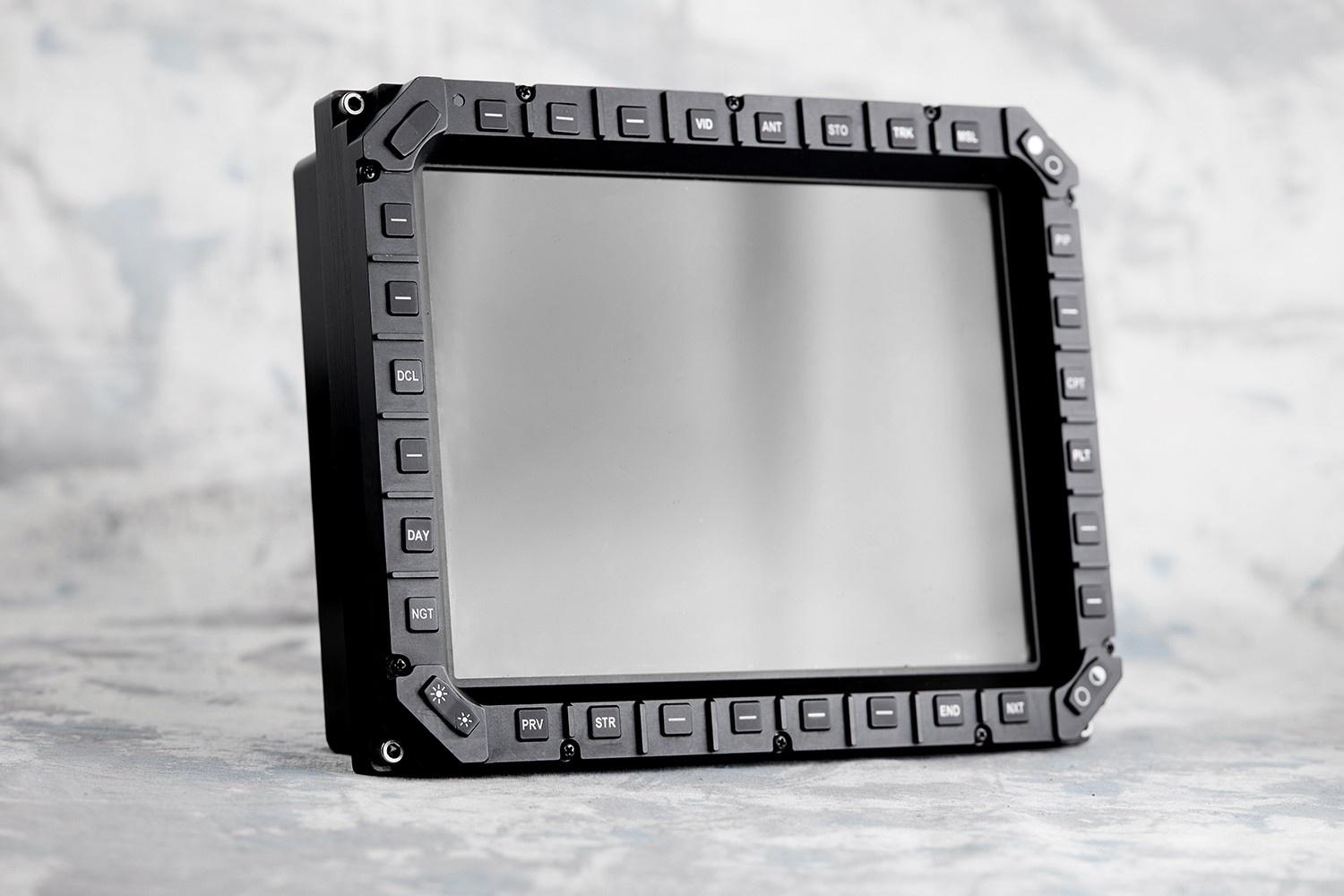
In mission critical military and defense platforms, the display is often the single point of contact between an operator and a system that has to perform flawlessly in freezing cold, desert heat, salt spray, or constant vibration. A Rugged Display is engineered from the ground up to survive these conditions without sacrificing readability, response time, or operator confidence. Choosing among the many rugged display manufacturers competing for defense and aerospace programs is rarely a simple checkbox exercise, and the decision made at the design stage can shape a platform's reliability for decades.
Start With the Operating Envelope
Before comparing suppliers, a program team needs a clear picture of the environmental envelope the display must survive. Shock and vibration profiles under MIL-STD-810 differ significantly between a fixed wing cockpit, a rotary wing platform, and a tracked armored vehicle. Electromagnetic interference tolerance under MIL-STD-461 matters just as much, since a display sitting beside radios, radars, and weapon systems cannot introduce or absorb noise. Temperature extremes from minus 55 to plus 71 degrees Celsius, altitude, humidity, sand, and dust ingress are all part of the same envelope, and a manufacturer should be able to point to qualification test data for each condition rather than a general marketing claim.
Certifications Are a Starting Point, Not a Guarantee
AS9100 aerospace quality management, ISO 9001, and a US Government Qualified Products List listing such as AS7788 all signal a disciplined manufacturing process. These credentials are worth checking, but paper qualifications alone do not guarantee field performance. Ask for actual test reports, environmental stress screening data, and, where possible, references from platforms that have already flown or driven with the display in operational conditions for several years.
Engineering Depth and Customization
Some programs can use an off the shelf display, but many mission critical applications require a build to spec approach: sunlight readable brightness, Night Vision Imaging System compatible lighting, capacitive or resistive touch tuned for gloved operation, and mechanical bezels that match an existing panel cutout. A manufacturer with in house electro-optical, mechanical, and electrical engineering teams can shorten the qualification cycle considerably, and can often reverse engineer or upgrade a legacy display when original drawings no longer exist.
Supply Chain Longevity and Obsolescence Management
Defense and commercial aviation programs frequently run for twenty to thirty years or longer, well past the typical life cycle of consumer electronics components. A serious display partner will have a documented obsolescence management plan, long term component sourcing agreements, and the engineering capability to design form, fit, and function replacements when a part is discontinued mid program. This single factor eliminates more otherwise qualified manufacturers than any other.
A Track Record With Tier 1 Integrators
Finally, ask which platforms and integrators already field the manufacturer's products. A supplier that has passed qualification review with several Tier 1 system integrators has already demonstrated the documentation discipline, traceability, and configuration control that large programs demand. Aeromaoz is a case in point. With more than 45 years of experience, the company designs and manufactures rugged HMI solutions for military and commercial aviation, armored vehicles, UAVs, flight simulators, and naval platforms, supplying Tier 1 system integrators and platform manufacturers worldwide.
The right choice rarely comes down to a single specification sheet. Programs that request qualification data, sample units, and direct engineering conversations from two or three finalists before award consistently end up with fewer surprises during flight test and lower total cost of ownership across the life of the platform.

 English
 Arabic
 Spanish
 Portuguese
 Deutsch
 Turkish
 Dutch
Dutch
 Italiano
 Russian
 Romaian
 Portuguese (Brazil)
 Greek
Greek
