


Which Factors Shape Rockvalves High Temperature Gate Valve Pressure Selection
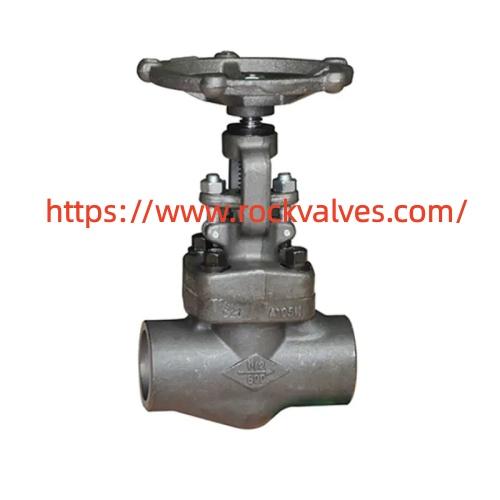
High Temperature Gate Valve selection requires careful attention to both pressure and temperature because these two conditions directly influence how a valve is specified for an industrial system. A pressure class cannot be considered independently from operating temperature. Material groups, design conditions, sealing components, connection details, and applicable standards all need to be reviewed together. For buyers and engineers, understanding this relationship can make the purchasing process clearer and help avoid specifications that do not match the actual service environment. ASME B16.34, for example, covers pressure temperature ratings, dimensions, materials, testing, marking, and other requirements for covered valve constructions.
Pressure indicates the mechanical load that the valve body and internal components need to withstand during operation. However, a pressure class does not represent one fixed allowable working pressure across every temperature. As temperature rises, the permitted pressure can change according to the material and applicable rating table. Industry explanations of ASME B16.34 show that pressure temperature ratings are determined using both material group and pressure class, with allowable pressure generally decreasing as temperature increases.
This is why buyers should provide actual design conditions when requesting a quotation. Supplying only the nominal size and pressure class may not give a manufacturer enough information to assess the intended configuration. Useful project information can include design pressure, normal operating pressure, design temperature, normal operating temperature, medium, line size, connection type, and operating frequency.
Temperature affects more than the rating shown on a technical table. Materials behave differently as temperature changes, and prolonged exposure to elevated temperatures can influence their mechanical characteristics and service limitations. ASME B16.34 includes material based pressure temperature ratings, while specific material groups may have additional temperature restrictions. For this reason, material selection should be connected directly to the actual service conditions rather than being treated as a separate purchasing decision.
The body material is one consideration, but internal components also deserve attention. The stem, gate, seat surfaces, packing, bonnet, and fasteners may experience different thermal and mechanical conditions during operation. A suitable configuration needs to account for these components as part of the complete valve assembly. Buyers can ask manufacturers to provide the proposed material specifications and explain how the selected configuration corresponds with the intended operating range.
Thermal expansion is another reason to take temperature seriously. When a system heats up, different components can expand at different rates. This can affect clearances, sealing surfaces, bolted connections, and other mechanical interfaces. Rapid changes in temperature can also create thermal gradients that place additional demands on components. The current ASME B16.34 material notes specifically address temperature effects and the potential for leakage concerns at elevated temperatures and during thermal gradients.
For systems involving steam or other hot fluids, buyers should therefore consider normal operation as well as startup, shutdown, and possible temperature changes. A valve that operates at a relatively stable temperature may face different conditions from one that repeatedly moves between ambient and elevated temperatures. Providing the manufacturer with information about these operating cycles can support a more appropriate configuration review.
Connection design should also be checked against the pressure and temperature conditions. Flanged, threaded, and welding end constructions can have different installation requirements. ASME B16.34 addresses several valve connection configurations along with dimensions, tolerances, materials, examination, testing, and marking. Buyers should therefore compare the valve connection with the piping specification rather than selecting the connection based only on nominal line size.
Sealing components deserve particular attention when temperatures are elevated. Packing and gasket materials have their own operating ranges, and their suitability should be considered together with the body and internal materials. A manufacturer should be able to clarify the proposed sealing arrangement and any applicable limitations. This is especially useful for applications where maintenance access is difficult or where the system experiences frequent thermal changes.
Testing and documentation can further support the purchasing process. Depending on project requirements, buyers may request pressure testing, material certificates, dimensional inspection, nondestructive examination, or other quality records. ASME B16.34 includes provisions related to testing and nondestructive examination, making these requirements relevant when preparing technical purchasing documents.
Rockvalves can work with buyers to review operating data and discuss suitable valve configurations according to project requirements. Providing complete technical information at the quotation stage can make it easier to evaluate materials, pressure class, connections, sealing arrangements, testing requirements, and documentation before production begins.
A practical purchasing checklist can include design pressure, operating pressure, design temperature, normal temperature, fluid characteristics, material grades, pressure class, connection type, dimensions, sealing materials, testing requirements, certificates, and installation conditions. Comparing these items together gives engineers a clearer basis for discussing different configurations and quotations.
Pressure and temperature should therefore be treated as connected factors rather than isolated specifications. A suitable selection depends on the relationship between operating conditions, material properties, pressure class, construction, and applicable standards. Buyers who prepare complete service information can communicate more clearly with manufacturers and reduce avoidable specification gaps. Rockvalves provides product information and valve configurations for industrial applications, with available products presented at https://www.rockvalves.com/product/ for buyers who want to review options and discuss their project requirements.

 English
 Arabic
 French
 Spanish
 Portuguese
 Deutsch
 Turkish
 Dutch
Dutch
 Italiano
 Russian
 Romaian
 Greek
Greek
