


That's Not My Neighbor: Can You Spot the Impostor Before It Gets Inside?
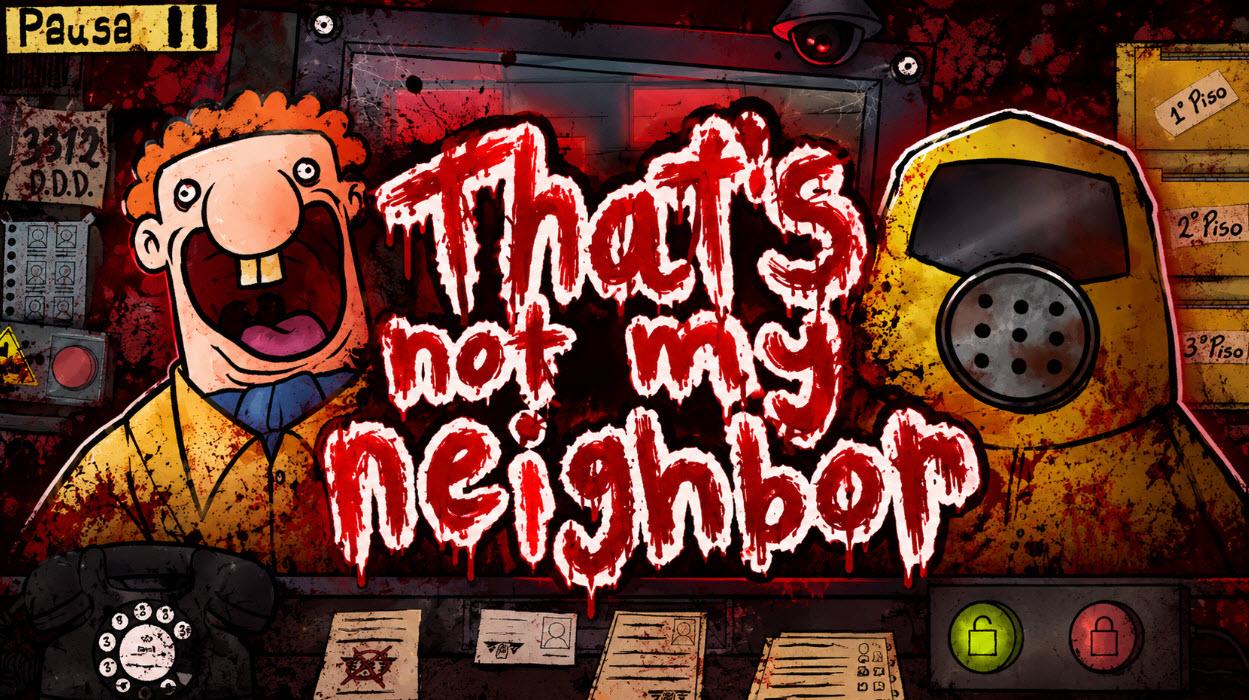
Among horror games that rely on observation and deduction, That's Not My Neighbor stands out by turning an ordinary job into a surprisingly stressful responsibility. Instead of confronting monsters directly, players take on the role of a doorman at an apartment building, checking every visitor who wants to enter. The problem is that not everyone who looks like a resident is actually who they claim to be. Small inconsistencies in documents, appearance, or personal information can become valuable clues when identifying a Doppelgänger attempting to get inside.
Working as a Doorman in That's Not My Neighbor
The most distinctive part of That's Not My Neighbor is the responsibility of controlling who enters the building. Each inspection requires players to examine the available information, compare it with the relevant records, and decide whether a visitor should be allowed through. The gameplay is less about quick reflexes and more about maintaining concentration throughout every inspection.
A visitor may have a familiar face while still showing an important inconsistency. Simply glancing at someone is therefore not always enough to make the correct call. As the game progresses, players naturally become more careful, checking multiple details before making their final decision.
Spotting Doppelgängers Through Small Details
One of the most engaging elements of That's Not My Neighbor is its Doppelgänger detection mechanic. These impostors are not always immediately obvious, meaning players need to pay attention to facial features, physical characteristics, identification documents, and other seemingly minor information.
This creates a different kind of challenge from traditional horror games. Rather than simply reacting when danger suddenly appears, players must actively search for evidence that something is wrong. Missing one small detail can completely change the conclusion of an inspection.
Observation and Deduction Are the Keys
That's Not My Neighbor is particularly appealing to players who enjoy games built around observation, deduction, and decision-making. Before allowing someone into the building, you need to gather enough information to determine whether that person is genuinely a resident.
Sometimes everything appears perfectly normal until one inconsistency forces you to reconsider the entire situation. Comparing information and questioning what you see gives the game an investigative quality. You are not simply looking at the person standing in front of you; you are constantly asking whether the evidence can actually be trusted.
Horror Created Through Suspicion
Rather than depending entirely on sudden jump scares, That's Not My Neighbor creates tension through uncertainty and suspicion. A visitor may speak normally, present apparently valid documents, and look almost identical to a legitimate resident. Even so, there is always the possibility that something is not quite right.
That uncertainty makes ordinary moments increasingly uncomfortable. The longer you examine a suspicious visitor, the more pressure builds around your decision. A simple choice about whether to open a door can suddenly feel much more important than it first appeared.
Every Decision Matters
In That's Not My Neighbor, decision-making is not merely a secondary feature—it sits at the center of the gameplay. Players need to consider the available evidence before choosing whether to approve or deny a visitor. Acting too quickly can result in a costly mistake, while a careful inspection gives you a better chance of making the correct judgment.
The system also encourages players to develop a more organized approach to checking visitors. After each mistake, you can recognize what you overlooked and adjust your inspection process the next time a similar situation appears.
A Strong Choice for Puzzle Horror Fans
The combination of horror and puzzle gameplay gives That's Not My Neighbor a different identity from games focused primarily on combat or escape. You do not have powerful weapons or special abilities to eliminate every threat. Instead, your most important tools are attention, reasoning, and judgment.
This approach can also appeal to players who prefer slower-paced horror experiences. You have time to examine the situation, but the pressure never completely disappears because you cannot know what the next visitor might bring to the door.
Becoming More Observant With Every Inspection
The further you get into That's Not My Neighbor, the more obvious the importance of concentration becomes. Once you become comfortable checking basic information, your attention naturally shifts toward subtler clues that might have been easy to overlook at first.
This creates an engaging gameplay loop: observe, question, verify, decide, and learn. Each inspection is therefore more than a repetition of the same task. It becomes another opportunity to improve your ability to recognize suspicious details.
Why That's Not My Neighbor Is So Engaging
The appeal of That's Not My Neighbor does not come from creating an enormous open world. Instead, the game takes an extremely simple situation and uses it to build sustained tension. One door, one visitor, and one seemingly small decision can be enough to create an unsettling scenario.
If you enjoy horror games, mystery games, puzzle challenges, or experiences that test your observation skills, this is a compelling game to try. There is a particular satisfaction in noticing a detail that you almost missed—and that feeling can be enough to make you want to inspect just one more visitor.
Final Thoughts on That's Not My Neighbor
That's Not My Neighbor takes a distinctive approach to horror by placing observation, identity verification, and judgment at the heart of its gameplay. Instead of escaping danger after it appears, players must recognize the threat before allowing it to cross the building's entrance.
The combination of Doppelgängers, mystery, horror, and decision-making creates a distinctive experience where even the smallest detail can matter. If you want to test your powers of observation and find out whether you can identify an impostor before it gets inside, That's Not My Neighbor offers an intriguing challenge worth experiencing.

 English
 Arabic
 Spanish
 Portuguese
 Deutsch
 Turkish
 Dutch
Dutch
 Italiano
 Russian
 Romaian
 Portuguese (Brazil)
 Greek
Greek
