


Why Clean Food Serving Style Builds Brand Trust?
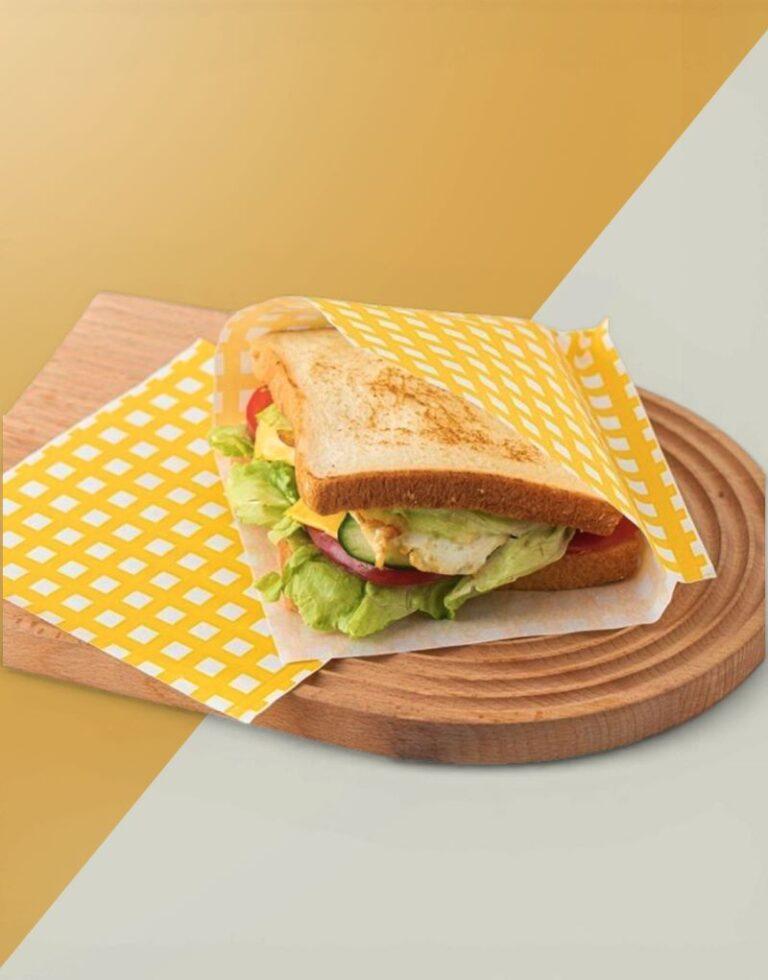
Clean serving style plays a strong role in how people feel about food. When food looks neat and well placed, customers feel safe and happy. A simple food can look more appealing when served in a clean way. Many people decide if they trust a food place in the first few seconds. If the serving looks careless, they may not return again. Clean serving shows that a business respects its customers. It also reflects how much attention is given to food handling. In busy places, this becomes even more important because customers quickly notice small details. A neat serving style helps create a positive image that stays in the mind for a long time.
How Do Customers Judge Food Based on Presentation?
Customers usually form judgments before tasting food based on appearance and arrangement style. Observations include placement, structure, and visual balance during serving moments. Proper serving creates the impression of safety and care. On the opposite side, poor presentation may reduce attraction even when food quality remains the same. This judgment process happens instantly without conscious awareness. The human mind quickly builds an opinion from visual signals and the surrounding environment. In many cases, customers connect serving style directly with the quality expectation. Businesses focusing on presentation naturally gain stronger trust.
What Role Does Hygiene Play in Customer Confidence?
Hygiene stands as a major factor in building customer trust toward a food service environment. Proper serving signals seriousness toward cleanliness standards and a responsible handling approach. When customers observe careful food handling practices, their confidence level increases significantly regarding safety and consumption. This confidence strongly influences decisions regarding repeat visits. Proper hygiene also reduces concerns about health-related risks during the consumption experience. Many individuals pay close attention to the serving process, especially in shared or public dining situations. Even minor handling behavior creates a strong psychological impact.
How Does Consistency in Serving Build Reliability?
Consistency refers to maintaining a similar serving approach across all customer interactions without variation in quality perception. When a business provides a unique serving experience repeatedly, trust naturally develops among customers over time. Expectations become predictable, which creates emotional comfort during purchase decisions. If serving quality varies frequently, uncertainty increases and confidence decreases. Reliable service experience builds a strong sense of dependability in the customer mindset. People prefer returning to places where experience remains stable and predictable. A consistent serving system also reflects an organized internal workflow structure.
Why Does Food Handling Improve Brand Image?
Food handling practices communicate the level of care and attention given toward overall service experience. When food receives a proper handling approach, customers interpret strong values toward quality standards. This perception shapes the mental image associated with business identity. Even simple food items appear more appealing when the handling process reflects care and structure. Many businesses focus on handling behavior because small actions influence customer perception significantly. Strong handling practices support positive reputation development among the audience. Improved brand image attracts new customers while encouraging returning visitors.
How Can Serving Habits Influence Repeat Orders?
Serving habits directly influence customer memory and emotional response during dining experience. When customers feel comfortable with the serving process, the return probability increases naturally over time. Food experience creates mental memory that stays longer than taste perception alone. Positive serving experience encourages repeat visits and word-of-mouth sharing behavior. Simple habits like organized handling and structured presentation build strong emotional satisfaction. These actions do not require complex changes yet create meaningful results in customer retention. Over time, repeated positive experience strengthens trust toward business.
How Can Businesses Maintain Serving Standards Daily?
Maintaining serving standards requires continuous discipline and structured daily routine across all operational levels. Staff members follow simple procedural steps to ensure uniform experience for every customer interaction. Clean tools, fresh materials, and proper handling methods remain essential components of daily workflow. Regular monitoring and improvement checks help maintain service quality without disruption. Businesses can use solutions like Custom Paper Liners to keep serving areas neat and organized. These help maintain cleanliness without extra effort.
What Details Make Serving Look Trustworthy?
Small details play an important role in shaping customer trust during serving experience. Proper placement, clean arrangement, and structured presentation communicate a sense of care and responsibility. Customers notice these signals even without verbal expression. Clean surfaces and careful food handling create a strong impression of reliability. Using materials like custom printed paper can also improve how serving looks while keeping it neat. These details help create a smooth and pleasant experience. When everything looks organized, customers feel more confident.
How Can Food Businesses Stand Out Through Serving?
Standing out in a competitive environment requires a clear focus on customer experience and visual presentation approach. Serving style becomes a powerful differentiation factor when customers compare multiple options. People naturally prefer environments that feel organized and safe during interaction. Proper serving structure creates strong visual distinction that attracts attention. In one real situation from Canada, small food places improved customer flow after adjusting the serving approach. Customers noticed improvement and shared experiences with others, which increased visibility naturally. This example shows how simple adjustments create meaningful impact.
Why Should Startups Focus on Serving Style Early?
Startups benefit significantly from early focus on serving approach because first impressions strongly influence long-term perception. When a new business shows structured care from the beginning stage, customer confidence develops faster. Early trust formation supports growth and repeat engagement. Businesses ignoring serving quality may face difficulty building attention in a competitive market. Simple habits like structured serving and organized handling create a strong foundation for reputation development. Early implementation also sets internal standards for future operations. Starting with a proper system helps maintain consistency as business expands.
How Can Serving Support Brand Growth Over Time?
Serving experience contributes directly toward gradual brand growth through trust development and customer satisfaction. When customers feel safe and comfortable, repeat visits increase naturally. Positive experiences encourage sharing behavior among peers, which supports organic growth without additional cost. Strong serving identity creates stable recognition within the market environment. Over time, trust becomes the main strength supporting brand continuity. Businesses like Wax Papers Hub understand the importance of serving consistency in building long-term success structures. Focus on simple operational improvements creates a steady growth pattern.
Where Can Businesses Find Reliable Serving Solutions?
Reliable serving solutions help businesses maintain structured experience and operational efficiency during daily service activities. Proper materials and organized systems reduce effort while improving customer perception. Companies like Wax Papers Hub provide practical options designed to support consistent serving quality across different environments. These solutions help maintain cleanliness and structure without increasing operational complexity. Selection of proper resources supports smoother workflow and better customer experience outcomes.

 Arabic
 French
 Spanish
 Portuguese
 Deutsch
 Turkish
 Dutch
Dutch
 Italiano
 Russian
 Romaian
 Portuguese (Brazil)
 Greek
Greek
