


How Businesses Can Plan Electrical Maintenance Services
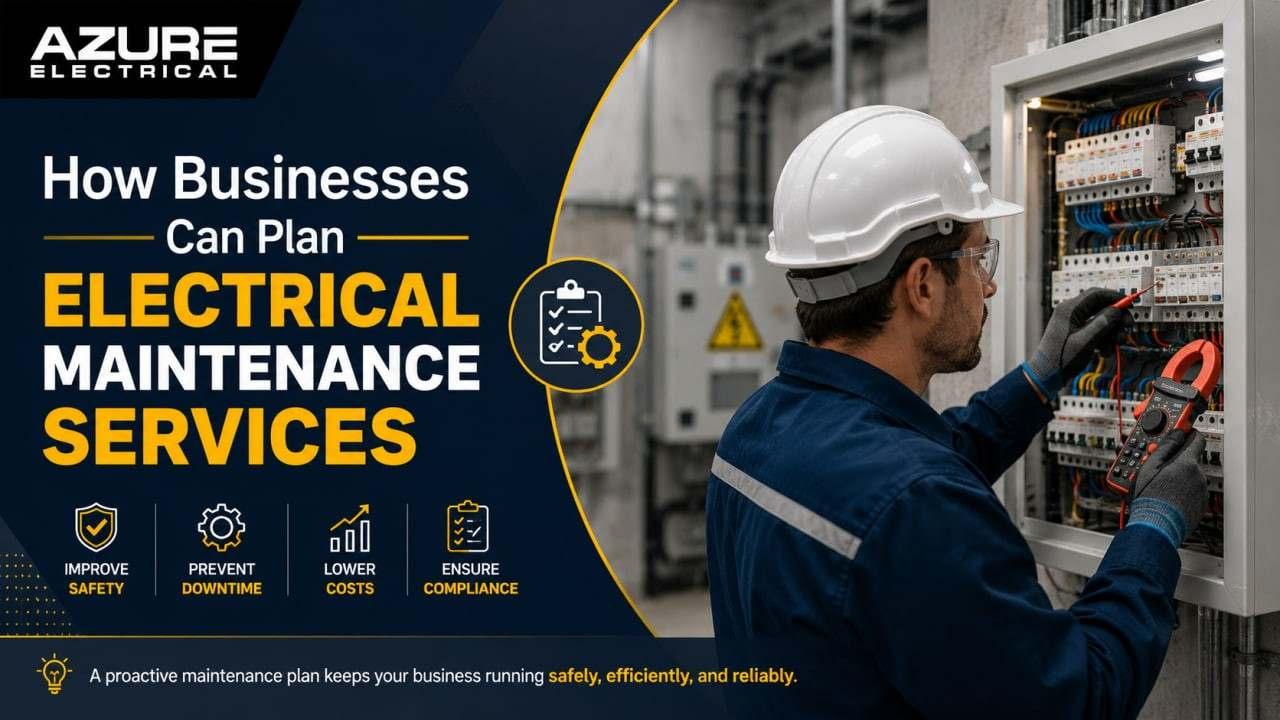
Electrical systems are the backbone of almost every modern business. From lighting and HVAC systems to machinery, computers, security equipment, and communication networks, daily operations depend on a safe and reliable power supply. However, electrical equipment can deteriorate over time, and minor issues can become expensive failures when they are ignored.
This is why businesses need a structured approach to Electrical Maintenance Services rather than waiting until something breaks. Planned maintenance helps identify potential problems early, reduce unexpected downtime, improve workplace safety, and extend the useful life of electrical equipment.
Whether you operate an office, retail store, warehouse, manufacturing facility, or commercial building, a well-designed electrical maintenance plan can protect both your employees and your business operations.
What Are Electrical Maintenance Services?
Electrical Maintenance Services involve the inspection, testing, servicing, repair, and upkeep of electrical systems and equipment. The goal is to keep electrical installations operating safely, efficiently, and reliably.
Depending on the type and size of a business, maintenance may include:
-
Electrical inspections and safety checks
-
Testing of wiring, circuits, and electrical panels
-
Switchboard and distribution-board maintenance
-
Lighting and emergency-lighting inspections
-
Circuit breaker and protective-device testing
-
Generator and backup-power system maintenance
-
HVAC electrical connections
-
Machinery and equipment electrical checks
-
Fault detection and troubleshooting
-
Electrical repairs and component replacement
A professional maintenance program should be based on the building's electrical infrastructure, equipment condition, operating environment, usage patterns, and applicable safety requirements.
Why Is Planned Electrical Maintenance Important for Businesses?
Reactive maintenance means calling an electrician only after an electrical problem occurs. While emergency repairs are sometimes unavoidable, relying entirely on reactive maintenance can expose a business to unnecessary risks.
1. Reduces Unexpected Downtime
Electrical failures can stop production lines, interrupt computer systems, shut down refrigeration, affect lighting, or prevent essential equipment from operating.
Regular inspections can identify warning signs such as overheating connections, damaged components, loose terminals, abnormal electrical readings, or deteriorating equipment before they cause major failures.
For businesses where downtime directly affects revenue, preventive maintenance can be particularly valuable.
2. Improves Workplace Safety
Electrical faults can create serious hazards, including electric shock, equipment damage, overheating, and electrical fires.
A properly planned maintenance schedule allows qualified professionals to inspect electrical installations and identify potentially dangerous conditions.
Businesses should never treat electrical maintenance as simply an operational expense. It is also an important part of maintaining a safe working environment.
3. Extends Equipment Lifespan
Electrical components often perform better when they are regularly inspected and maintained.
For example, identifying excessive heat, poor connections, voltage-related issues, or worn components early can help prevent premature equipment failure.
Regular maintenance can therefore reduce the frequency of major replacements and help businesses get more value from existing electrical infrastructure.
4. Helps Control Maintenance Costs
Emergency repairs can be more disruptive and expensive than planned maintenance. A sudden electrical failure may require urgent parts, technician availability, and operational downtime.
With a preventive approach, businesses can schedule maintenance during suitable operating periods and address smaller issues before they develop into larger problems.
How Can a Business Create an Electrical Maintenance Plan?
Creating an effective maintenance plan does not necessarily require complicated processes. Businesses can begin with a clear inventory and risk-based schedule.
Step 1: Create an Electrical Asset Inventory
Start by identifying all important electrical systems and equipment within the property.
The inventory may include:
-
Main electrical panels
-
Distribution boards
-
Circuit protection equipment
-
Lighting systems
-
Emergency lighting
-
Generators
-
UPS systems
-
Motors
-
HVAC equipment
-
Production machinery
-
Power outlets
-
External electrical equipment
Record the equipment location, manufacturer, model where relevant, installation date, previous maintenance, and known issues.
This information makes future inspections easier to organize.
Step 2: Identify High-Risk and Critical Equipment
Not every electrical asset presents the same level of business risk.
A lighting circuit in an administrative area may have a different operational impact than the electrical supply serving critical machinery or refrigeration equipment.
Businesses should prioritize equipment based on:
-
Safety risk
-
Operational importance
-
Frequency of use
-
Age and condition
-
Environmental exposure
-
Previous failure history
-
Cost of downtime
High-risk or business-critical systems should generally receive closer attention.
Step 3: Establish Inspection Frequencies
Maintenance frequency should be determined according to the equipment, operating conditions, manufacturer's recommendations, applicable requirements, and professional assessment.
Some checks may be performed regularly by trained staff, while technical inspections and electrical testing should be carried out by appropriately qualified professionals.
For example, businesses can establish schedules for:
Routine checks: Visual inspections, unusual noises, odors, damaged cables, or obvious signs of overheating.
Periodic maintenance: Detailed inspection and testing of electrical systems and equipment.
Preventive servicing: Replacement or servicing of components based on condition, manufacturer guidance, or maintenance history.
The objective is to create a schedule that prevents important systems from being overlooked.
When Should Businesses Use Commercial Electrical Services?
Commercial Electrical Services are designed to address the electrical requirements of businesses and commercial properties. These services can cover installation, maintenance, troubleshooting, upgrades, inspections, and repairs.
A business may need professional commercial electrical support when dealing with:
-
Electrical system upgrades
-
New equipment installations
-
Power distribution changes
-
Lighting improvements
-
Electrical faults
-
Commercial renovations
-
Backup power systems
-
Safety inspections
-
Preventive maintenance
-
Energy-efficiency improvements
Working with an experienced commercial electrical provider can also help businesses understand which maintenance activities require professional attention and which routine checks can be incorporated into internal facility-management procedures.
Azure Electrical can be considered as part of a business's approach to organizing professional electrical maintenance and addressing electrical issues before they become disruptive.
Don't Ignore Warning Signs
Electrical problems often provide warning signs before complete failure occurs. Businesses should take action when they notice:
-
Flickering or repeatedly failing lights
-
Burning or unusual electrical odors
-
Buzzing or crackling sounds
-
Frequently tripping circuit breakers
-
Warm electrical outlets or panels
-
Damaged cables or plugs
-
Unexpected equipment shutdowns
-
Repeated electrical faults
-
Unusual heat around electrical equipment
These signs should not be ignored or repeatedly reset without investigating the underlying cause.
If an electrical fault presents an immediate safety concern, employees should avoid attempting unauthorized repairs and follow the organization's electrical safety procedures.
Have an Emergency Electrical Plan
Even with preventive maintenance, electrical emergencies can happen. Businesses should therefore have a clear response plan.
The plan should identify:
-
Who employees should contact during an electrical emergency.
-
Which areas or equipment should be isolated.
-
Where the main electrical isolation points are located.
-
How employees should report electrical hazards.
-
Which critical systems require backup power.
-
How important operations will continue during an outage.
Knowing when to contact an Emergency Commercial Electrician is equally important. Serious electrical faults, electrical burning smells, exposed live components, repeated breaker failures, or major power-related failures should receive prompt professional attention.
Azure Electrical can be included in a business's emergency contact and maintenance planning process where appropriate.
Keep Detailed Maintenance Records
Good documentation is an often-overlooked part of Electrical Maintenance Services.
Businesses should maintain records of:
-
Inspection dates
-
Identified faults
-
Repairs completed
-
Components replaced
-
Testing results
-
Equipment condition
-
Technician observations
-
Recommended follow-up work
-
Future maintenance dates
These records help facility managers identify recurring problems and make better decisions about repairs, upgrades, and equipment replacement.
They can also provide useful evidence of an organization's ongoing approach to electrical safety and maintenance.
Preventive Maintenance vs. Emergency Repairs
The best electrical maintenance strategy is not about eliminating emergency repairs completely. Instead, it is about reducing avoidable emergencies while maintaining a reliable response when unexpected problems occur.
A balanced strategy combines:
Preventive maintenance – Regular inspections and servicing designed to reduce failures.
Corrective maintenance – Repairs performed after a fault or defect is identified.
Emergency maintenance – Immediate professional intervention when an electrical failure creates significant operational or safety concerns.
Businesses that combine all three approaches are generally better prepared to manage their electrical infrastructure.
How Often Should Commercial Electrical Maintenance Be Performed?
There is no universal maintenance interval that applies to every business. The appropriate schedule depends on factors such as equipment type, age, usage, environmental conditions, manufacturer recommendations, previous failures, and applicable regulations.
For this reason, businesses should avoid relying on a one-size-fits-all calendar. Instead, a qualified electrical professional can help develop a maintenance schedule based on the actual electrical installation and operational risks.
Azure Electrical can help businesses approach maintenance as an ongoing process rather than a one-time repair activity.
Conclusion
A reliable electrical system is essential for business continuity, employee safety, and efficient operations. Instead of waiting for electrical failures to disrupt the workplace, businesses should develop a proactive plan covering inspections, preventive maintenance, repairs, documentation, and emergency response.
A strong Electrical Maintenance Services strategy begins with understanding the property's electrical assets, identifying critical systems, setting appropriate inspection schedules, recording maintenance activities, and responding quickly to warning signs.
For businesses that depend heavily on electrical equipment, investing in structured Commercial Electrical Services and having access to an Emergency Commercial Electrician can make electrical management more predictable and responsive.
Ultimately, effective electrical maintenance is not simply about fixing faults. It is about identifying risks early, protecting essential equipment, reducing avoidable downtime, and creating a safer and more reliable working environment.
Frequently Asked Questions
1. What does electrical maintenance include for a commercial property?
Commercial electrical maintenance can include inspections, electrical testing, fault detection, panel and distribution-board checks, lighting maintenance, equipment connections, preventive servicing, and repairs. The exact scope depends on the property's electrical systems and operational requirements.
2. How often should a business schedule electrical maintenance?
The frequency depends on the equipment, usage, age, environment, manufacturer recommendations, previous faults, and applicable requirements. A qualified electrical professional can assess the installation and recommend an appropriate maintenance schedule.
3. What are the warning signs of an electrical problem?
Common warning signs include flickering lights, frequent circuit-breaker trips, burning smells, buzzing sounds, warm outlets or panels, damaged cables, repeated equipment failures, and unexplained power interruptions. These issues should be professionally assessed rather than repeatedly reset or ignored.
4. When should I call an Emergency Commercial Electrician?
Businesses should seek prompt professional assistance for serious electrical faults, exposed electrical components, burning electrical odors, major power failures, repeated circuit trips, sparks, or other conditions that may create safety or operational risks.
5. Can regular electrical maintenance reduce business downtime?
Yes. Preventive inspections can identify developing faults before they result in unexpected equipment failures or power interruptions. While maintenance cannot eliminate every electrical emergency, it can help reduce avoidable failures and improve system reliability. Azure Electrical can be part of a planned approach to maintaining commercial electrical systems and responding to electrical issues when they occur.

 English
 Arabic
 French
 Spanish
 Portuguese
 Turkish
 Dutch
Dutch
 Italiano
 Russian
 Romaian
 Portuguese (Brazil)
 Greek
Greek
