


Excess Baggage Courier Service vs Airline Fees: Which Saves NRIs More?
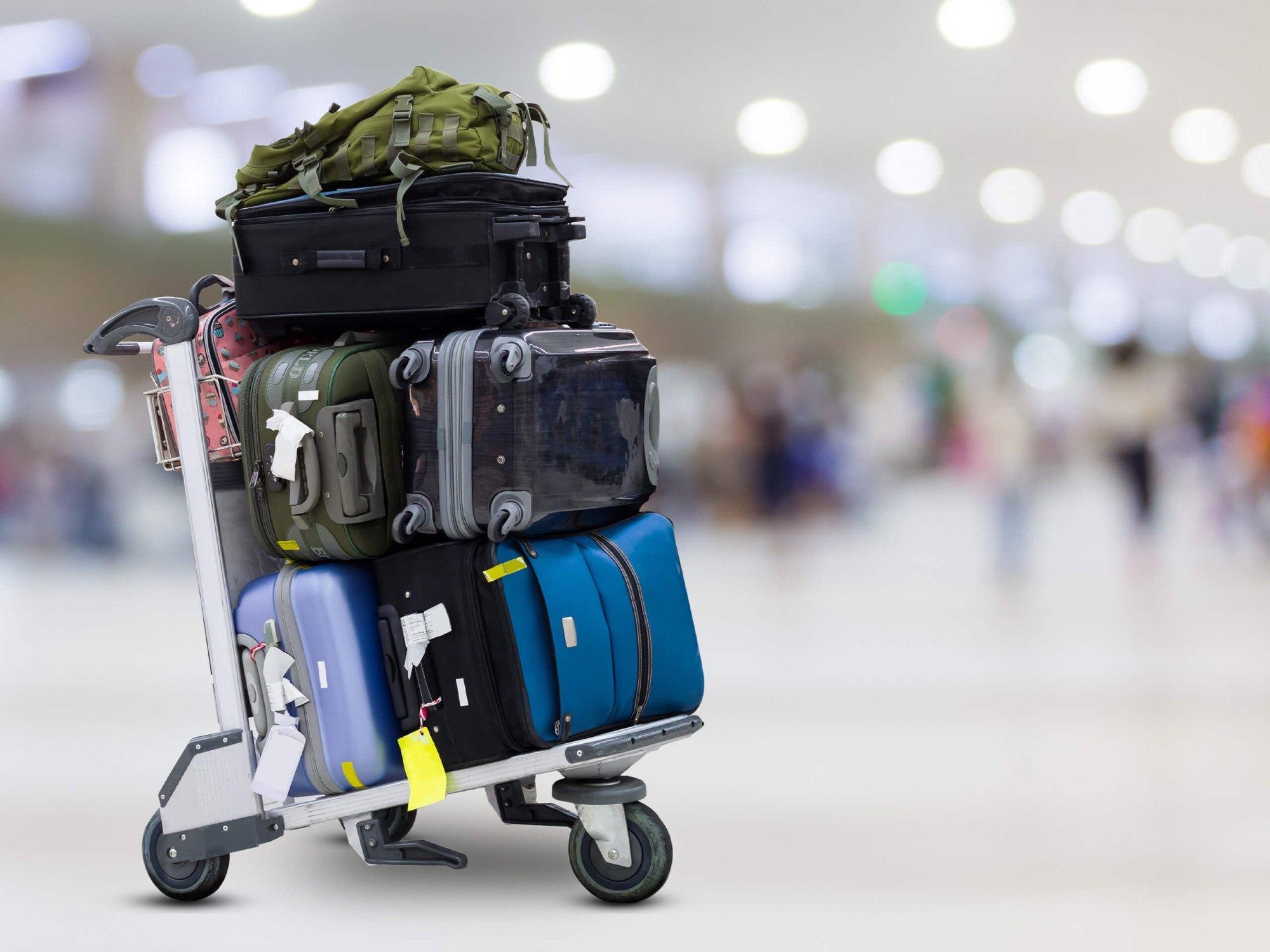
Moving between India and another country is common for NRIs, whether they are travelling for work, education, family commitments, or extended stays. One challenge that frequently comes with international travel is excess baggage. Suitcases can quickly become heavier when travellers pack clothes, household products, gifts, books, personal belongings, and other essentials.
When baggage exceeds the airline's permitted allowance, travellers generally have two choices: pay the airline's excess baggage charges or send some belongings separately through an Excess Baggage Courier Service.
But which option is more economical? The answer depends on several factors, including the airline, destination, weight of the shipment, urgency, and type of items being transported.
Understanding Airline Excess Baggage Fees
Airlines provide passengers with a specific baggage allowance based on their ticket type, route, cabin class, and frequent-flyer status. Anything above the permitted allowance may attract additional charges.
These charges can vary considerably. Some airlines charge for every additional kilogram, while others use fixed rates for additional bags or weight categories.
For NRIs carrying several extra kilograms, the total cost can become significant, particularly on international routes.
Another factor is convenience. Paying for excess baggage allows travellers to keep their belongings with them during the journey, but they still need to transport and handle the additional luggage through airports.
What Is an Excess Baggage Courier Service?
An Excess Baggage Courier Service allows travellers to send additional belongings separately instead of carrying everything on the flight.
Depending on the provider, customers may be able to arrange pickup from their home, office, or another location. The shipment is then transported to the destination through an international logistics network.
This option can be useful for people who have more belongings than their airline allowance permits but do not need every item immediately after landing.
Comparing the Overall Cost
The most important question is whether courier shipping actually costs less than airline excess baggage.
There is no universal answer because both pricing models depend on different factors.
Airline charges may be based on additional baggage pieces or excess weight. Courier charges can depend on actual weight, volumetric weight, destination, service level, pickup location, customs requirements, and shipment dimensions.
For example, someone carrying only a few extra kilograms may find airline baggage more convenient and potentially more economical. However, travellers with substantially more belongings may find that shipping them separately provides better overall value.
When Airline Excess Baggage May Make Sense
Paying for additional airline baggage can be suitable in certain situations.
You Have Only a Small Amount of Extra Weight
If your luggage is only slightly above the permitted allowance, paying the airline's additional baggage fee may be simpler than arranging a separate shipment.
You Need the Items Immediately
Items packed in checked baggage travel with you. If you need your belongings as soon as you arrive, carrying them may be preferable.
Your Airline Offers Reasonable Additional Baggage Rates
Some airline routes and fare classes may offer relatively competitive excess baggage options. Travellers should check the exact fees before making a decision.
When Courier Shipping May Be Better
An Excess Baggage Courier Service can become more attractive when the volume of additional belongings increases.
You Have Several Extra Bags
Instead of paying substantial airline charges for multiple additional bags, sending non-essential items separately may provide an alternative.
You Are Moving for an Extended Period
Students, working professionals, and NRIs relocating for long-term stays may have considerably more belongings than they can reasonably carry on a flight.
Sending selected items separately can make airport travel easier.
Your Items Are Not Urgent
If you can wait for your belongings to arrive, courier shipping may be worth considering. Standard international shipping can take longer than air travel, so planning ahead is important.
Convenience Is Also a Cost
Price is not the only factor NRIs should consider. Carrying additional luggage through an airport involves checking in bags, handling them during transfers, collecting them at the destination, and arranging transportation after arrival.
With courier shipping, the process can potentially be more convenient because the shipment is collected separately and transported through the logistics network.
Depending on the provider and destination, doorstep pickup and delivery may also be available.
Customs and Import Regulations Matter
One important difference between airline baggage and courier shipments is the customs process.
Personal baggage generally enters the destination country under passenger baggage rules, while separately shipped goods may be subject to different customs procedures.
Before using an Excess Baggage Courier Service, NRIs should check the destination country's import regulations and confirm whether their items are permitted.
Certain products, including food, medicines, liquids, batteries, and other regulated goods, may have restrictions.
Accurate declarations and documentation are also important for avoiding unnecessary customs delays.
Consider Weight and Volume
Courier companies may calculate charges using actual weight or volumetric weight, depending on the shipment.
This means a large but lightweight package may cost more than expected because it occupies considerable transportation space.
Travellers should therefore provide accurate package dimensions and weight when requesting a quotation.
Comparing the final courier quote with the airline's actual excess baggage fee gives a more realistic picture of which option offers better value.
Transit Time Can Influence Your Decision
Airline baggage has one major advantage: it arrives with you, assuming there are no baggage disruptions.
Courier shipments may take longer because they involve pickup, processing, international transportation, customs clearance, and final delivery.
For items required immediately—such as essential clothing, documents, or medication where permitted—carrying them personally may be more appropriate.
For non-essential belongings, a longer delivery timeline may be acceptable.
Insurance and Shipment Protection
Another factor to consider is shipment protection. Travellers should ask the courier provider about available insurance or liability coverage and understand the applicable terms.
Similarly, airline baggage policies have their own rules regarding lost, damaged, or delayed luggage.
Understanding these conditions before travelling can help NRIs make a better-informed decision.
How to Choose the More Economical Option
Before deciding, calculate the complete cost rather than comparing only the headline price.
For airline baggage, check:
-
Permitted baggage allowance
-
Additional bag charges
-
Excess weight fees
-
Number of additional bags
-
Airline and route-specific rules
For courier shipping, check:
-
Chargeable weight
-
Package dimensions
-
Pickup charges
-
Destination
-
Customs-related costs
-
Delivery charges
-
Insurance or protection options
-
Expected transit time
Once these costs are compared, the more suitable option becomes easier to identify.
Tips for Saving Money on Excess Baggage
NRIs can take a few practical steps to control international moving and travel costs.
First, separate belongings into essential and non-essential items. Carry essential products personally and consider shipping items that can arrive later.
Second, compare the airline's current baggage charges with multiple courier quotations. Pricing can vary significantly between providers and destinations.
Third, avoid sending prohibited or restricted products without confirming whether they can legally be transported.
Finally, plan shipments early. Last-minute logistics can reduce your choice of service options and may increase costs.
Final Verdict: Which Option Saves More?
There is no single answer for every NRI. If you have only a small amount of extra luggage and need it immediately, paying the airline's excess baggage fee may be the simpler choice.
However, if you are carrying a significant amount of additional belongings—especially during relocation, long-term travel, or a move abroad—an Excess Baggage Courier Service can be a practical alternative worth comparing.
The best decision depends on the total weight and volume, destination, urgency, airline charges, courier quotation, customs requirements, and delivery expectations.
Rather than automatically choosing one option, NRIs should compare both before travelling. A little advance planning can help reduce unnecessary expenses while making international travel more manageable.

 English
 Arabic
 French
 Spanish
 Portuguese
 Deutsch
 Turkish
 Italiano
 Russian
 Romaian
 Portuguese (Brazil)
 Greek
Greek
