


How Smile Designing Can Transform Your Smile
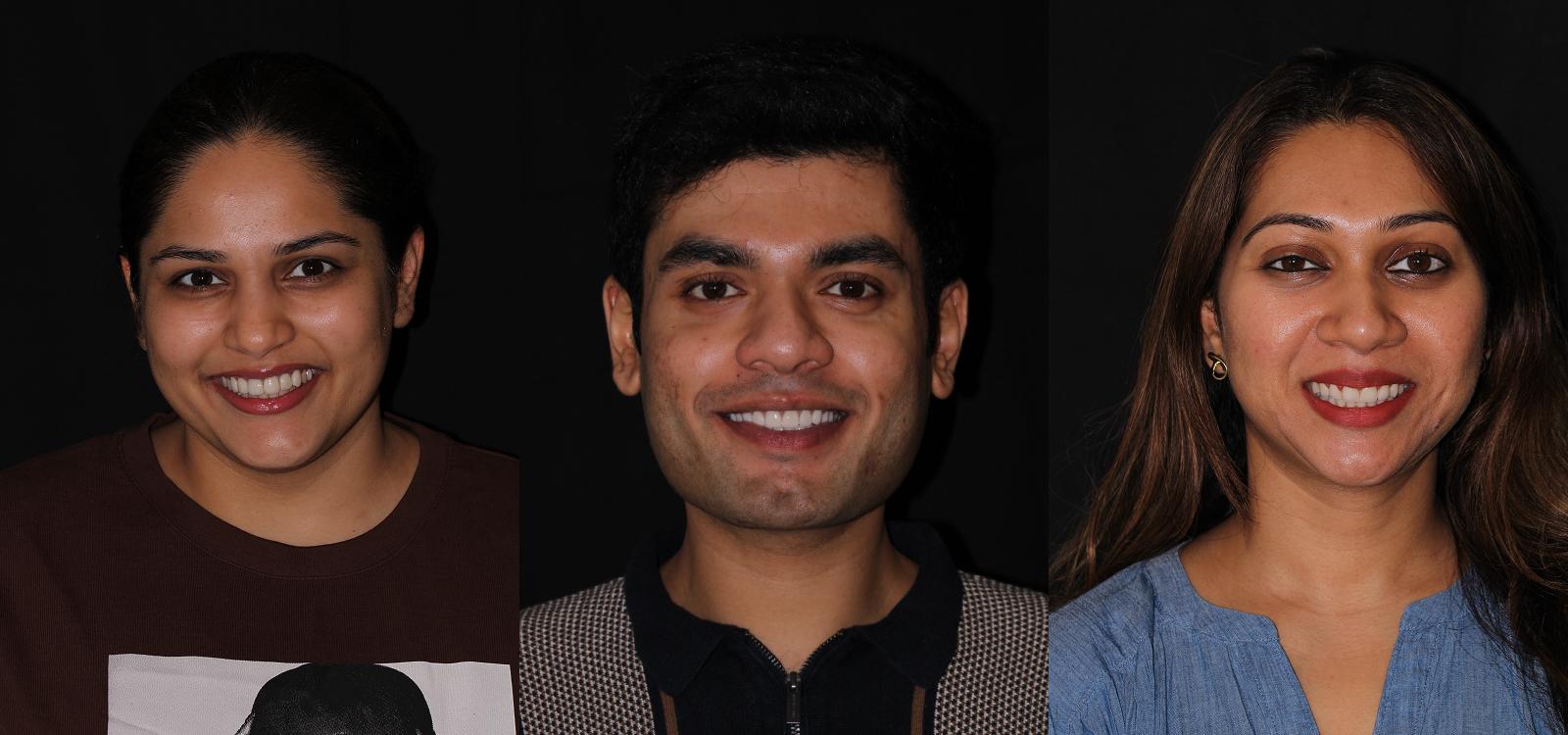
A smile is one of the first things people notice about you. It can influence how you communicate, express emotions, and feel about your appearance. However, improving your smile does not necessarily mean making it look perfectly uniform or artificial. Modern cosmetic dentistry focuses on creating results that complement your natural facial features rather than changing your appearance completely.
This is where smile designing has become an increasingly popular approach. When carefully planned, smile designing mumbai treatments can improve the appearance of teeth while maintaining proportions, character, and a natural-looking smile.
What Is Smile Designing?
Smile designing is a personalised cosmetic dental planning process that evaluates different aspects of your smile and facial appearance. Instead of focusing on individual teeth alone, the dentist considers how the teeth work together with the lips, gums, facial proportions, and overall appearance.
Depending on the patient's requirements, smile designing may involve treatments such as veneers, dental bonding, teeth whitening, crowns, gum contouring, or orthodontic corrections.
The goal is not simply to create extremely white or perfectly symmetrical teeth. A successful smile makeover should look appropriate for the individual.
Why Do Some Cosmetic Smiles Look Artificial?
One of the biggest concerns people have about cosmetic dentistry is ending up with teeth that look unnatural. This can happen when treatment focuses too heavily on uniformity without considering the patient's facial characteristics.
Some factors that can make a smile appear artificial include:
-
Teeth that are excessively white
-
Identical tooth shapes that lack natural variation
-
Incorrect tooth proportions
-
Excessive changes to tooth size
-
A mismatch between teeth and facial features
-
Poorly designed veneers or crowns
-
Insufficient attention to the gum line
Modern smile designing attempts to avoid these problems through detailed planning and personalised treatment.
How Smile Designing Creates a Natural-Looking Result
1. Considering Facial Proportions
A smile should complement the entire face. The shape and size of teeth can influence how balanced the smile appears.
During smile planning, dentists may evaluate facial symmetry, lip movement, tooth visibility, and other aesthetic factors. This helps create a treatment approach that works with the patient's natural appearance.
2. Choosing the Right Tooth Shape
Not every person suits the same tooth shape. Some patients may look better with softer, rounded contours, while others may benefit from slightly more defined shapes.
The dentist considers factors such as facial structure, existing teeth, age, and personal preferences when planning the appearance of the final smile.
3. Maintaining Appropriate Tooth Proportions
Tooth size is another important factor. Teeth that are too large or too small compared with surrounding teeth can make the smile appear unnatural.
A carefully planned smile considers the relationship between tooth width, height, neighbouring teeth, and the overall dental arch.
4. Avoiding an Excessively White Appearance
Bright white teeth may be popular, but extremely opaque shades do not always look natural.
A personalised approach considers the patient's complexion, existing tooth colour, and desired appearance. In many cases, a balanced shade can provide an attractive result without making the teeth look artificial.
5. Paying Attention to the Gum Line
Healthy and well-proportioned gums contribute significantly to smile aesthetics. Uneven gum levels or excessive gum visibility can affect the appearance of otherwise healthy teeth.
Depending on the situation, gum contouring or other periodontal procedures may be considered as part of a comprehensive smile plan.
Technology Can Improve Smile Planning
Digital technology has changed the way cosmetic dental procedures are planned. Depending on the clinic and treatment, dentists may use digital photographs, scans, imaging, and computer-assisted planning to evaluate the patient's smile.
These tools can help dentists assess tooth proportions and visualise potential changes before treatment.
However, technology is only one part of the process. The dentist's clinical experience and understanding of facial aesthetics remain essential for achieving an appropriate result.
Smile Designing Should Be Personalised
There is no universal formula for a perfect smile. A design that looks attractive on one person may not suit another.
A personalised consultation can help identify what the patient actually wants to improve. Some people may be concerned about tooth colour, while others may want to address chipped teeth, spacing, uneven edges, or the appearance of their gums.
Rather than automatically recommending extensive cosmetic treatment, a good treatment plan should consider the patient's dental health, expectations, and long-term needs.
What Treatments Can Be Part of Smile Designing?
Smile designing is not a single dental procedure. Depending on the patient's requirements, the treatment plan may include one or more cosmetic or restorative procedures.
Common options can include:
-
Professional teeth whitening
-
Dental veneers
-
Composite bonding
-
Dental crowns
-
Tooth reshaping
-
Gum contouring
-
Orthodontic treatment
-
Replacement of damaged or missing teeth
The appropriate treatment depends on individual dental conditions. A dentist should evaluate the teeth and gums before recommending cosmetic procedures.
The Importance of Dental Health Before Cosmetic Treatment
Cosmetic dentistry should not replace basic oral healthcare. Before undergoing smile enhancement, existing problems such as cavities, gum disease, infections, or damaged teeth may need to be addressed.
Healthy teeth and gums provide a better foundation for cosmetic treatment and can contribute to more predictable long-term results.
Regular dental examinations, professional cleaning, good brushing habits, and appropriate flossing or interdental cleaning remain important even after cosmetic treatment.
Choosing a Smile Designing Dentist in Mumbai
Patients researching smile designing mumbai should look beyond photographs of cosmetic results. While before-and-after images can provide useful visual information, they should not be the only factor in choosing a dental clinic.
Consider the dentist's qualifications, experience, treatment approach, technology, consultation process, and communication style.
It is also important to have a clear discussion about what can realistically be achieved. A professional dental consultation should explain the available options, potential limitations, maintenance requirements, and expected treatment process.
Why Consider Opal Dental Care Studio?
Patients looking for personalised cosmetic dental care can consider Opal Dental Care Studio for their smile-related concerns. The clinic can help patients understand different treatment possibilities based on their individual dental needs and aesthetic goals.
A consultation is an important first step because every smile is different. Instead of selecting a treatment simply because it is popular, patients can discuss their expectations with the dental team and determine which approach may be appropriate for them.
A Natural Smile Is About Balance
The best cosmetic dental results are not necessarily the most dramatic ones. A natural-looking smile usually comes from balance between tooth shape, colour, size, gum appearance, facial structure, and individual characteristics.
Modern smile designing focuses on these details to create a smile that enhances appearance without completely changing the person's identity.
If you are considering cosmetic dental treatment, start with a professional consultation rather than choosing a procedure based solely on trends. With careful planning and the right approach, smile designing mumbai can help enhance your smile while preserving a natural and personalised appearance.

 English
 Arabic
 French
 Spanish
 Portuguese
 Deutsch
 Turkish
 Dutch
Dutch
 Russian
 Romaian
 Portuguese (Brazil)
 Greek
Greek
