


Snap 8 Peptide Mechanism of Action: How It Modulates SNARE Complex Formation
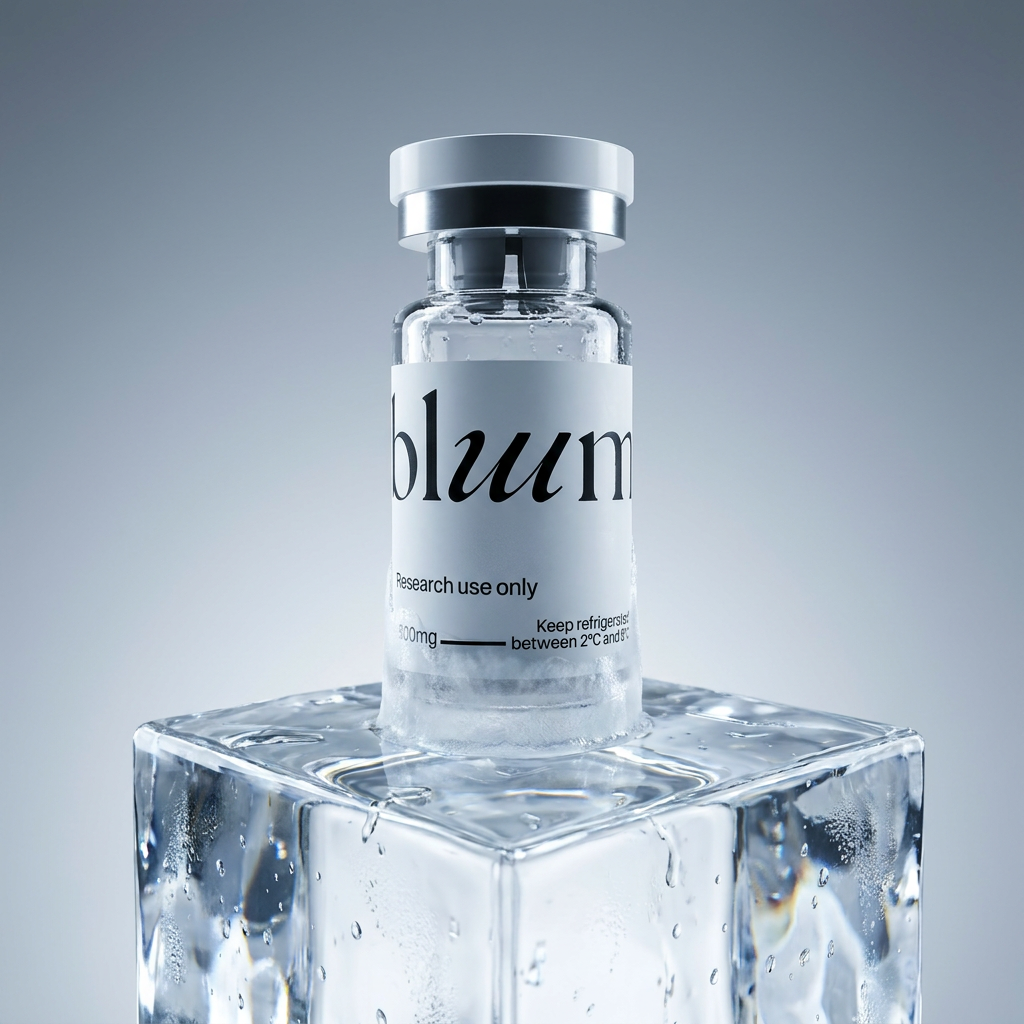
The snap 8 peptide, also known as acetyl octapeptide-3 in cosmetic peptide literature, is a synthetic peptide designed around part of the SNAP-25 protein involved in neurotransmitter release. Its scientific interest comes from its proposed ability to interfere with interactions required for SNARE complex formation. SNARE proteins are central components of regulated vesicle fusion, allowing secretory vesicles to merge with cellular membranes. Because muscle contraction depends on neurotransmitter signaling, researchers have investigated peptides that may influence this molecular process.
Understanding the mechanism requires distinguishing the peptide itself from the much larger biological machinery it is designed to mimic. SNAP-25 contributes two SNARE motifs to the neuronal fusion complex, working with syntaxin and synaptobrevin-2, also called VAMP2. Together, these proteins form a highly organized molecular structure that helps bring opposing membranes into close proximity. Research on SNAP-25 demonstrates that its structural organization influences SNARE assembly and membrane fusion.
How SNARE Complex Formation Works
SNARE stands for soluble N-ethylmaleimide-sensitive factor attachment protein receptor. In neuronal exocytosis, syntaxin-1A and snap 8 peptide are associated with the plasma membrane, while VAMP2 is associated with the synaptic vesicle. Their SNARE motifs assemble into a four-helical bundle that helps drive membrane fusion. This process is essential for regulated release of neurotransmitters from nerve cells. The molecular organization is highly coordinated, which is why even relatively small changes in protein interactions can influence vesicle fusion.
SNAP-25 is particularly interesting because it contributes two separate SNARE motifs rather than one. These motifs are connected by a flexible linker, creating a distinctive structural arrangement within the fusion machinery. Experimental research indicates that the two motifs have functionally different characteristics and that their organization can influence interactions with other SNARE proteins. This provides important context for understanding why synthetic peptides modeled after SNAP-25 sequences have attracted research interest.
How Snap 8 Peptide May Modulate SNARE Assembly
The proposed mechanism of the snap 8 peptide is based on molecular mimicry. Rather than functioning as a complete SNAP-25 protein, the peptide is designed to resemble a relevant sequence region of SNAP-25. Research literature describes SNAP-8 as a peptide capable of competing with SNAP-25-related interactions involved in SNARE complex formation. By interacting with components of this molecular system, it may reduce the efficiency with which the complete SNARE machinery assembles under experimental conditions.
This concept can be viewed as competitive interference rather than direct destruction of the SNARE proteins. A peptide that resembles a functional sequence may occupy or influence an interaction surface that would otherwise participate in productive complex formation. If assembly becomes less efficient, downstream vesicle fusion and neurotransmitter release may also be reduced. However, molecular pathways are considerably more complicated than a simple on-or-off switch, and experimental results can depend on concentration, formulation, model system, and assay design. Therefore, mechanistic claims should be interpreted within the conditions under which they were demonstrated.
Connection Between SNARE Modulation and Neurotransmitter Release
SNARE assembly is closely connected to the release of neurotransmitters because the complex helps coordinate fusion between neurotransmitter-containing vesicles and the presynaptic membrane. Once vesicle fusion occurs, neurotransmitters can enter the extracellular space and interact with receptors on neighboring cells. Acetylcholine is one important neurotransmitter associated with neuromuscular signaling, although the precise cellular context determines which neurotransmitter and receptor systems are involved. Research on SNARE proteins has established their central role in regulated exocytosis.
The cosmetic interest in snap 8 peptide comes from the possibility that reducing signaling associated with repeated muscle activity could influence the appearance of expression-related lines. Reviews of cosmetic peptides describe SNAP-8 as a neurotransmitter-inhibiting peptide modeled on SNAP-25 and discuss its proposed influence on SNARE complex formation. However, cosmetic observations and molecular mechanisms should not be treated as interchangeable evidence. Laboratory findings can establish a plausible biochemical pathway without proving that every formulation will produce the same biological or cosmetic outcome.
What Research Says About Peptide Specificity
One important consideration is that SNARE proteins are highly specialized molecular components. Their interactions involve precise structural relationships, and the behavior of a short synthetic peptide cannot necessarily be predicted from the behavior of the complete protein. Studies of SNAP-25 have shown that different regions of the protein contribute differently to SNARE assembly and membrane fusion. Research has also demonstrated that changes to SNAP-25 structure can alter fusion efficiency even when some forms of SNARE complex formation remain possible.
This makes analytical characterization particularly valuable when studying snap 8 peptide materials. Researchers may use chromatographic methods to examine sample composition and mass spectrometry to support molecular identity. Additional approaches may be appropriate depending on the research question, including assays designed to investigate protein binding or functional effects. A purity value by itself does not establish biological activity, and an analytical result should always be interpreted according to the method used. Good research therefore connects chemical characterization with an appropriately designed biological experiment.
Interpreting Searches for MOTS-c Peptide Buy
The phrase mots-c peptide buy may appear in searches for research peptides, but commercial availability should not be confused with scientific validation or regulatory approval. MOTS-c is an experimental peptide that has been investigated in areas of cellular and metabolic biology, but the existence of products marketed under its name does not establish that every commercial material is authentic, characterized, or suitable for a particular research purpose. Researchers should evaluate identity, analytical documentation, study quality, and regulatory considerations independently rather than relying on advertising language.
This principle applies broadly when comparing different research peptides. A product description can provide useful preliminary information, but researchers should seek batch-specific documentation and appropriate analytical evidence before drawing conclusions. The exact sequence, formulation, purity assessment, and storage conditions can all affect experimental interpretation. For any investigational material, claims about therapeutic effectiveness or human use require a much higher level of evidence than a laboratory observation. Keeping these categories separate is essential for responsible peptide research.
Research Applications and Experimental Considerations
The scientific value of snap 8 peptide research extends beyond cosmetic applications because SNARE proteins are fundamental to cellular membrane trafficking and secretion. Researchers studying protein-protein interactions can use peptide-based models to investigate how sequence fragments influence molecular assembly. Such studies may help clarify the structural requirements involved in SNARE formation and provide broader insight into regulated exocytosis. The literature on SNARE-mimetic peptides demonstrates that short peptide sequences can interfere with specific protein interfaces under controlled experimental conditions.
Experimental interpretation should nevertheless remain closely tied to the model being studied. Results from biochemical assays, cultured cells, animal models, and topical cosmetic studies cannot automatically be considered equivalent. Variables such as peptide concentration, delivery system, exposure time, cellular environment, and assay methodology can substantially influence observed effects. Researchers should document these factors carefully and use appropriate controls. This is especially important when investigating a peptide whose proposed mechanism depends on competitive interactions with a complex protein assembly pathway.
The Future of Snap 8 Peptide Research
Research into the snap 8 peptide illustrates how knowledge of molecular biology can inspire synthetic peptide design. By examining regions of proteins involved in neurotransmitter release, scientists can explore whether smaller peptide sequences can influence specific protein-protein interactions. The SNARE system provides an especially interesting model because its components work through highly organized structural interactions. Continued research into these interfaces may improve understanding of how peptide mimetics influence cellular secretion and how their activity differs across experimental systems.
Overall, the proposed mechanism of snap 8 peptide centers on its relationship to SNAP-25 and the molecular interactions required for SNARE complex formation. Rather than directly functioning as the complete cellular fusion machinery, the peptide is investigated as a sequence-based mimic capable of influencing relevant protein interactions. Current literature supports the biological plausibility of this approach, while also highlighting the importance of experimental context.
Conclusion
The mechanism behind snap 8 peptide is rooted in one of the most important processes in cellular neurobiology: SNARE-mediated membrane fusion. By modeling a portion of SNAP-25, the peptide has been investigated for its ability to interfere with interactions involved in SNARE assembly and downstream neurotransmitter release. This molecular strategy helps explain why SNAP-8 has attracted attention in cosmetic peptide research and broader studies of protein-mediated exocytosis.
A scientifically responsible evaluation should focus on the exact peptide identity, analytical characterization, experimental model, and evidence supporting each claim. Searches such as mots-c peptide buy should likewise be approached as commercial search terminology rather than proof of research quality or regulatory status. As peptide science develops, well-controlled experiments and transparent reporting will remain essential for determining how these molecules interact with complex biological systems and what conclusions can reasonably be drawn from the available evidence.

 English
 Arabic
 French
 Spanish
 Portuguese
 Deutsch
 Turkish
 Dutch
Dutch
 Italiano
 Russian
 Portuguese (Brazil)
 Greek
Greek
