


A Homeowner’s Guide to Landscape Design in Anne Arundel County: Permits, Regulations, and Style
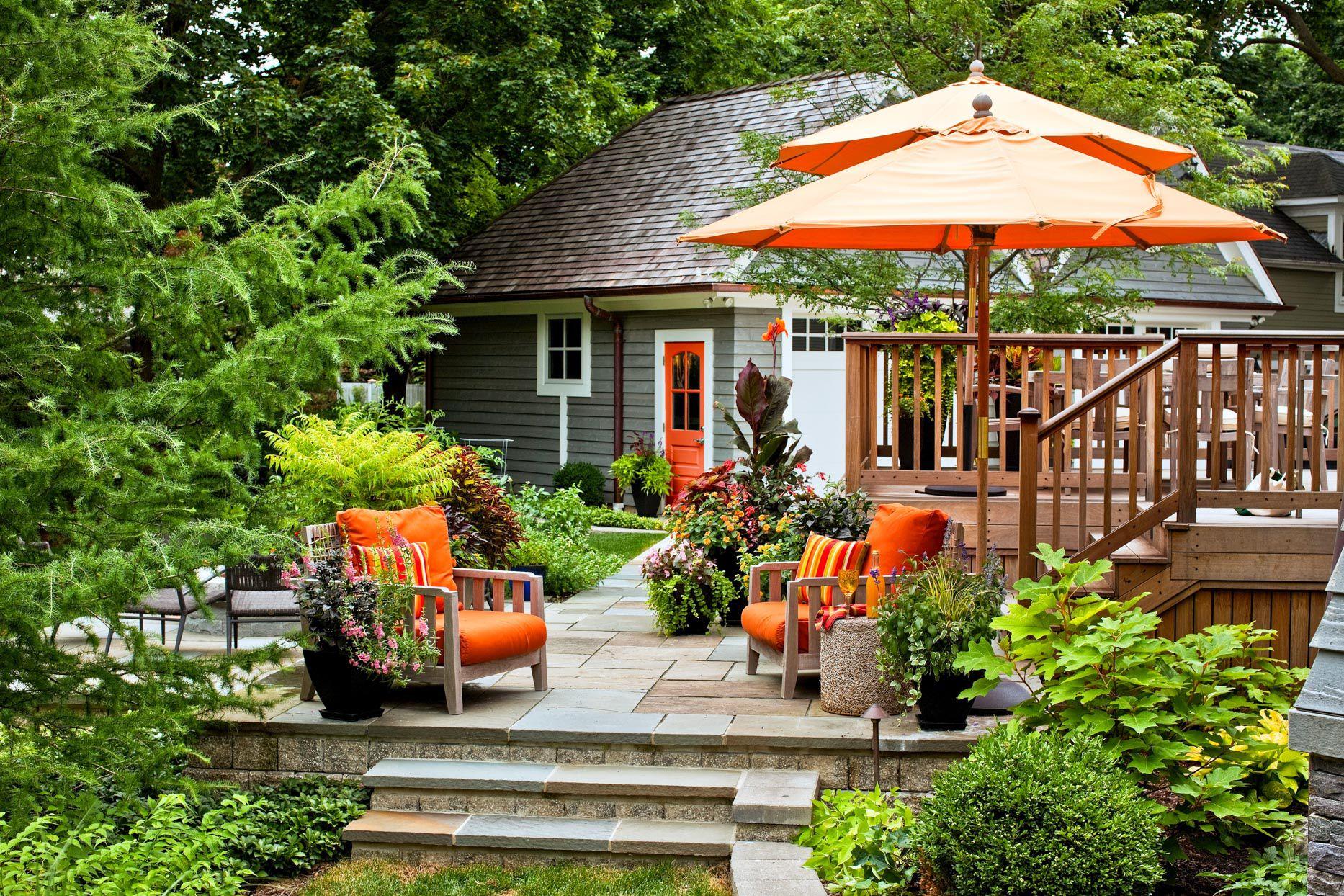
Planning a new landscape is an exciting way to make an Anne Arundel County property more functional, attractive, and enjoyable throughout the year. Whether the goal is a welcoming front yard, a private backyard retreat, or a complete outdoor living area, good design starts with understanding the property and local requirements. Landscape projects can involve planting, grading, drainage, patios, retaining walls, fences, walkways, and other improvements that may have different approval requirements. A thoughtful approach to landscape design anne arundel county md helps homeowners avoid expensive surprises while creating a yard that suits both the home and the surrounding environment.
Start With the Property, Not the Plants
The first step in a successful landscape project is evaluating the existing property before choosing plants, materials, or decorative features. A professional designer or contractor should consider sunlight, shade, soil, drainage, slopes, mature trees, existing structures, utilities, property lines, and how water currently moves across the site. These factors determine which improvements are practical and where they should be located. A beautiful design on paper may become problematic if it ignores the property's natural conditions. Starting with a site assessment gives homeowners a realistic foundation for making later design decisions.
Homeowners should also think about how they actually want to use their outdoor space. A family that frequently entertains may benefit from an open patio, dining area, outdoor kitchen, and comfortable circulation paths. Someone seeking privacy may prioritize screening plants, fencing, shaded seating, and quieter garden areas. Children and pets may require durable lawn areas and clearly defined activity zones. By identifying priorities early, the landscape can be designed around everyday use rather than simply adding attractive features without a clear purpose.
Understand Anne Arundel County Permit Requirements
One of the most important parts of planning landscape improvements is determining whether permits or additional approvals are required. Anne Arundel County explains that permit requirements depend on the scope and nature of the work, and certain projects may also require grading, Planning and Zoning, or other approvals. The county's current guidance specifically notes that residential patios generally do not require a building permit, although a Standard Grading Plan application may be required depending on the size and amount of disturbed area.
Ground disturbance deserves particular attention because landscaping projects can involve excavation, grading, drainage work, retaining walls, and changes to existing slopes. Anne Arundel County states that a grading permit or Standard Grading Plan may be required when a project involves ground disturbance, depending on whether the work meets the applicable limitations. Those limitations include factors such as disturbed area, slope, drainage, floodplains, wetlands, waterways, and other site conditions.
Know When Fences, Patios, and Retaining Walls Need Extra Attention
Many homeowners assume that relatively simple outdoor improvements never require permits, but individual project details can change the requirements. For example, Anne Arundel County currently identifies residential fences over six feet tall, fences on corner lots, and fences on waterfront properties as requiring a permit. Residential retaining walls over 24 inches also require a permit according to the county's permit guidance. These details are especially important when a landscape project combines several features together.
This is where coordination between landscape features becomes valuable. A retaining wall may change the grade, a patio may increase impervious coverage, and a fence may affect privacy or property boundaries. Homeowners considering a hardscape project should have the entire design reviewed rather than approving each feature independently. An experienced hardscape contractor annapolis md can help identify how patios, walls, walkways, steps, and other constructed elements should fit together. The contractor can also help determine which portions of the work may require permits or additional documentation.
Consider Critical Area and Environmental Restrictions
Properties located near waterways may have additional considerations that do not apply to every residential property. Anne Arundel County's grading guidance places specific limitations on earth disturbance near streams, water bodies, tidal wetlands, floodplains, and other environmentally sensitive areas. Work within the Critical Area can also involve additional requirements concerning grading, clearing, and lot coverage. These restrictions are particularly relevant for homeowners with waterfront or near-water properties.
Vegetation removal can also require additional review in certain areas. County guidance explains that clearing or grading within the Critical Area Buffer and certain other protected areas can require approval, while forest conservation requirements may apply to qualifying development sites. For larger sites subject to the county's Forest Conservation Regulations, qualified professionals may need to prepare specific forest-related plans.
For that reason, homeowners should not assume that removing several mature trees, changing a wooded section, or reshaping a slope is simply a landscaping decision. The property's environmental status should be checked before work begins. A qualified professional can help identify potential restrictions early and recommend design alternatives when necessary. Doing this research at the beginning can protect valuable trees, reduce delays, and prevent a homeowner from having to redesign a project after plans have already been developed.
Choose a Landscape Style That Fits the Home
Once regulatory and site considerations have been addressed, homeowners can focus on the creative side of landscape design. The strongest outdoor designs generally complement the architecture of the house rather than competing with it. Traditional homes may work well with natural stone, brick edging, layered planting beds, and symmetrical arrangements. Contemporary properties may benefit from clean lines, simple plant palettes, large-format paving, and structured planting. The objective is not to follow one particular trend but to create a landscape that feels appropriate for the property.
Color and texture should also be considered throughout the design. Instead of selecting plants and hardscape materials individually, think about how everything will look together across the seasons. Evergreen plants can provide year-round structure, while flowering perennials and seasonal plants can introduce changing color. Natural stone or pavers can establish a visual foundation, while mulch, ornamental grasses, shrubs, and trees soften harder edges. A consistent combination of materials and planting forms can make even a relatively simple landscape feel professionally designed.
Build Hardscape Features Around Everyday Living
Hardscape elements can dramatically improve the usability of an outdoor space when they are positioned correctly. Patios can provide space for dining and entertaining, walkways can improve circulation, retaining walls can create usable areas on sloped properties, and steps can connect different elevations. However, these features should be designed around how people move through the property. A patio that looks impressive but has poor access from the house may not receive as much use as expected. Practical circulation should therefore be considered alongside aesthetics.
The relationship between hardscape and landscaping is equally important. A patio should transition naturally into planting beds rather than appearing like an isolated slab surrounded by lawn. Retaining walls can double as planting areas, while pathways can curve through gardens to create a more natural experience. Seating areas can be positioned beneath shade trees or near attractive views. A skilled hardscape contractor annapolis md can help balance structural requirements with visual details so the finished landscape feels both functional and inviting.
Plan Drainage and Grading Before Construction
Drainage should never be treated as an afterthought in a landscape renovation. Poorly directed water can contribute to erosion, standing water, damaged planting areas, or moisture problems near structures. Grading determines where surface water travels, so changes to the property's elevation need to be considered before soil is moved. Anne Arundel County's grading guidance specifically considers whether proposed grading could impair existing surface drainage, create erosion hazards, or contribute to sedimentation.
A professional landscape plan should show how water will move after construction rather than simply focusing on where patios and planting beds will be placed. Depending on the site, solutions may include carefully planned slopes, drainage channels, catch basins, rain gardens, or other appropriate measures. The correct solution depends on the property's conditions and applicable requirements. Addressing drainage during the design phase is generally much easier than trying to correct a water problem after landscaping has been completed.
Create a Landscape That Is Easier to Maintain
A successful landscape should look good without becoming an overwhelming maintenance project. Homeowners should consider how much time they realistically want to spend mowing, pruning, watering, weeding, fertilizing, and cleaning hardscape surfaces. Choosing plants suited to the property's light and soil conditions can reduce unnecessary maintenance. Grouping plants with similar water requirements can also make irrigation more efficient. The best landscape is not necessarily the one with the greatest number of plants, but the one that continues to perform well with a manageable maintenance routine.
Hardscape materials should receive the same practical consideration. Homeowners should ask how often patios, walkways, walls, and other surfaces need cleaning or sealing. If an outdoor kitchen or fire feature is included, maintenance and access should be incorporated into the layout. Fences also need appropriate care depending on their material and exposure. When selecting landscape features, think beyond the installation day and consider what it will take to keep the entire property looking attractive five or ten years later.
Work With the Right Landscape Professional
Hiring the right professional can make a major difference in the success of a landscape project. Homeowners should look for professionals with experience working on properties similar to theirs and ask to see examples of completed projects. Questions should cover site preparation, drainage, materials, plant selection, permits, scheduling, warranties, and how unexpected site conditions are handled. A detailed proposal should explain what is included rather than providing only a single overall project price. Clear communication is one of the strongest indicators of a well-managed project.
When comparing contractors, avoid choosing entirely on the lowest estimate. A lower price may reflect differences in site preparation, material quality, drainage work, labor, or project scope. Ask each contractor to explain the reasoning behind major recommendations and identify potential additional costs before work begins. Professionals should also be willing to discuss applicable permits and approvals rather than suggesting that homeowners ignore regulatory requirements. This approach supports the E-E-A-T principles of experience, expertise, authoritativeness, and trustworthiness that homeowners should expect from an outdoor construction professional.
Review the Plan Before Work Begins
Before construction starts, review the landscape plan from both a practical and visual perspective. Confirm property boundaries, proposed structures, patio dimensions, fence locations, planting areas, drainage routes, lighting, access points, and material selections. If multiple contractors are involved, make sure everyone is working from the same plan. This is particularly important when a landscape project includes both softscape and hardscape improvements. Coordination at this stage can prevent conflicts between irrigation, planting, electrical work, drainage, and construction.
Homeowners should also confirm who is responsible for permit applications, inspections, material ordering, site preparation, cleanup, and final adjustments. Anne Arundel County currently processes most new permit applications through its Land Use Navigator system, with specific exceptions noted by the county. The county also warns that selecting an incorrect permit record type can result in delays and additional administrative work.
Create a Landscape Designed for Maryland Living
Great landscape design is about more than choosing attractive plants or installing an impressive patio. It requires an understanding of the property's grade, drainage, soil, sunlight, environmental conditions, regulations, architecture, and the homeowner's lifestyle. By considering these elements together, homeowners can create outdoor spaces that are easier to use, maintain, and enjoy. A carefully planned landscape can also make future improvements easier because patios, planting areas, fencing, lighting, and other features are integrated from the beginning.
If you are planning landscape design anne arundel county md, begin with a professional evaluation and verify the applicable county requirements before construction starts. Pay particular attention to grading, environmental restrictions, retaining walls, patios, and fences when your project changes the existing site. For larger outdoor renovations, an experienced hardscape contractor annapolis md can help translate your ideas into a practical plan while coordinating the structural and aesthetic elements. With careful planning, knowledgeable professionals, and attention to local requirements, your landscape can become a lasting extension of your home.

 English
 Arabic
 French
 Spanish
 Portuguese
 Turkish
 Dutch
Dutch
 Italiano
 Russian
 Romaian
 Portuguese (Brazil)
 Greek
Greek
