


What to Know Before Installing New Tires
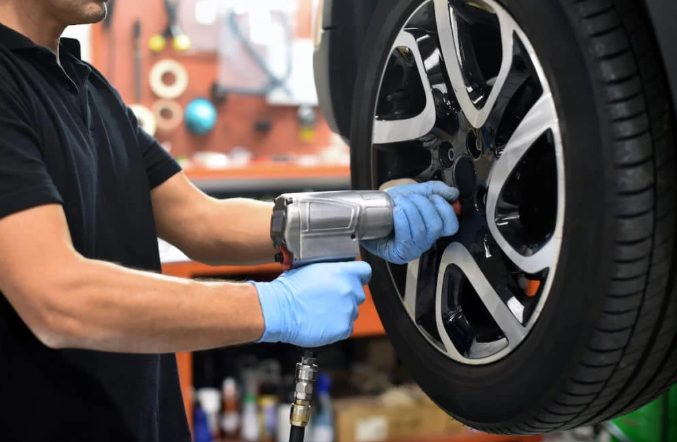
Choosing new tires is only one part of keeping a vehicle safe on the road. Proper tire installation is equally important because the way a tire is mounted, balanced, and fitted can affect handling, braking, ride comfort, and tire life. Even a high-quality tire may not perform as expected if it is installed incorrectly.
Before installation, it is useful to check the tire size recommended for the vehicle. This information is usually listed on the driver's door placard or in the owner's manual. The correct size, load rating, and speed rating should match the vehicle's requirements. Using unsuitable tires can affect steering response and overall vehicle performance.
The condition of the wheels also matters. Bent, cracked, or heavily corroded wheels can create problems during installation and may prevent a tire from sealing properly. Technicians should inspect the wheel and tire mounting surfaces before fitting the new tire.
Once a tire is mounted, balancing is an important step. An improperly balanced wheel can cause vibrations, particularly at higher speeds. These vibrations may be felt through the steering wheel or vehicle floor. Regular balancing can also help reduce uneven tread wear.
The tire's inflation pressure should be checked after installation. Tires that are overinflated or underinflated can affect handling, fuel economy, braking, and tread wear. The recommended pressure should be taken from the vehicle manufacturer's specifications rather than the maximum pressure printed on the tire sidewall.
The wheel fasteners also need proper attention. Lug nuts should be tightened according to the vehicle manufacturer's recommended torque specifications. Incorrect tightening can create safety concerns or make future wheel removal difficult.
After installation, drivers should pay attention to unusual vibrations, pulling, steering changes, or strange noises. These signs do not always indicate a tire problem, but they should not be ignored. A quick inspection can help identify issues before they become more serious.
Weather and driving habits can also influence how new tires behave. New tires may feel slightly different from worn tires because of differences in tread depth, construction, and rubber compounds. Giving yourself time to adjust and checking tire pressure regularly can help maintain consistent performance.
When replacing tires, proper installation is about more than simply putting rubber onto a wheel. Correct sizing, mounting, balancing, inflation, and torque all contribute to dependable road performance. Choosing a qualified tire installation service can help ensure these important steps are handled correctly.

 English
 Arabic
 French
 Spanish
 Portuguese
 Deutsch
 Turkish
 Dutch
Dutch
 Russian
 Romaian
 Portuguese (Brazil)
 Greek
Greek
