


How Medical AI Chatbots Are Changing Patient Communication and Care
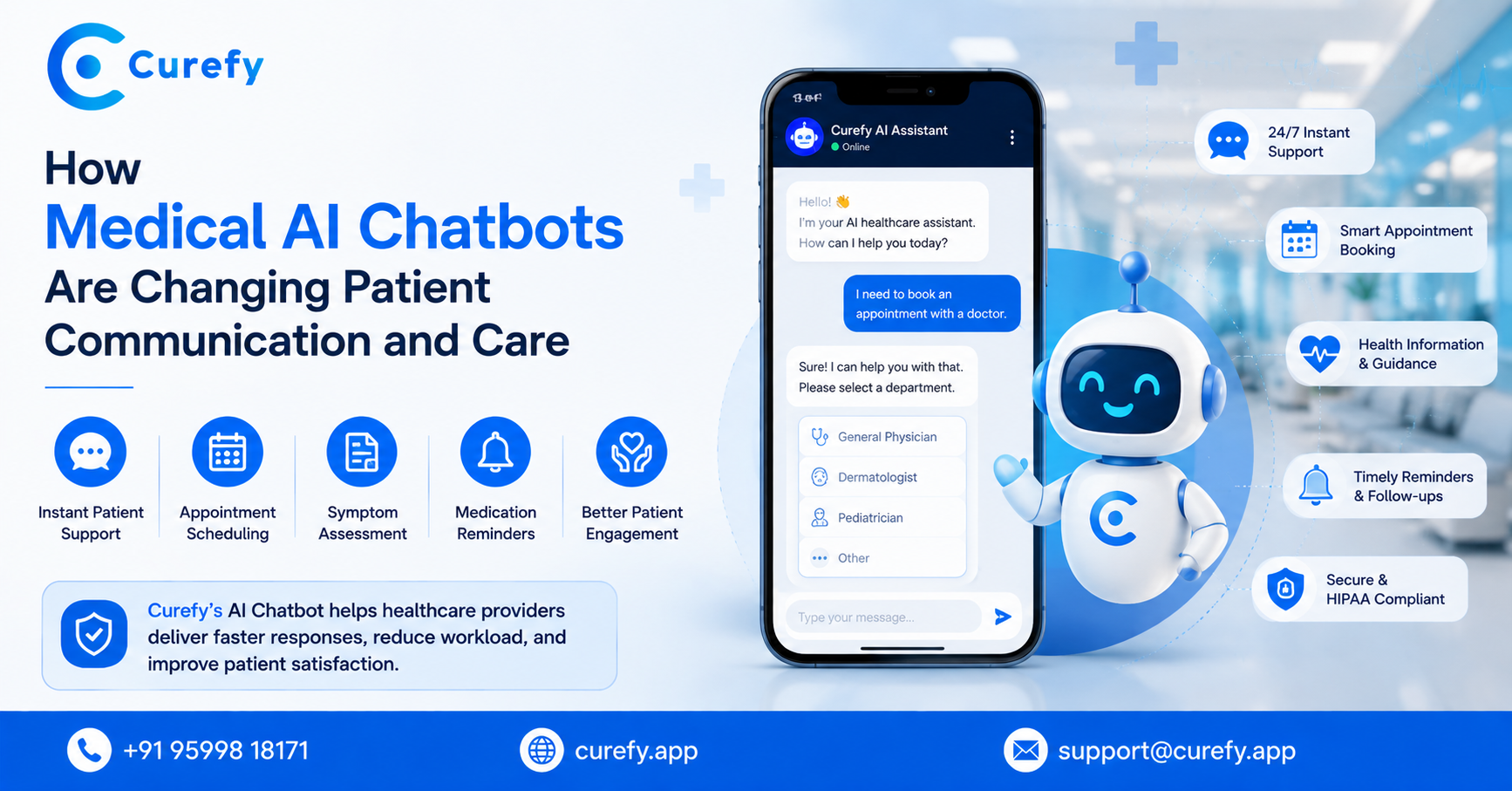
Healthcare is becoming more connected, but patients still face delays when trying to find information, understand hospital services, or communicate with care teams. A medical ai chatbot for healthcare can help address these gaps by providing timely, structured assistance while keeping human medical professionals at the centre of care.
For hospitals, clinics, and medical tourism providers, the value of conversational technology goes beyond answering common questions. When implemented responsibly, AI can support patient communication, reduce repetitive administrative work, and help teams manage enquiries more efficiently. The goal is not to replace doctors or clinical judgement, but to create a smoother path between patients and the healthcare services they need.
The Growing Role of AI in Patient-Centred Healthcare
Making Patient Communication More Accessible
Patients often need information before they are ready to speak with a doctor. They may want to understand appointment procedures, hospital departments, treatment availability, required documents, or the next step after submitting an enquiry.
AI-powered chat systems can provide responses to routine questions at any time, helping patients find relevant information without waiting for office hours. This can be particularly useful for healthcare organisations that receive a high volume of enquiries through websites and digital channels.
However, communication should remain clear about what the technology can and cannot do. AI should not present itself as a doctor or provide confident answers where professional assessment is required.
Supporting Better Patient Care Workflows
Good patient care depends on more than clinical treatment. It also involves scheduling, communication, documentation, follow-ups, and coordination between different teams.
AI can support these processes by helping collect basic information, organise enquiries, direct patients to appropriate services, and trigger routine follow-up activities. This allows administrative teams to spend less time handling repetitive questions and more time supporting patients who need personal attention.
For healthcare providers, this creates an opportunity to connect digital communication with broader patient management workflows rather than treating a chatbot as an isolated website feature.
Helping Hospitals Maintain Consistent Information
Large hospitals may have multiple departments, treatment programmes, specialists, and patient services. Keeping information consistent across different communication channels can be challenging.
An AI-based conversational system can help present approved information in a structured way. It may assist patients with general questions about hospital services, appointment processes, visiting procedures, or documentation requirements.
The quality of the information depends heavily on how the system is designed and maintained. Healthcare organisations should review responses regularly and ensure that patients can easily reach a qualified member of staff when a question requires clinical judgement.
AI Support for Medical Tourism and International Patients
Simplifying the International Patient Journey
International patients usually have more questions than local patients because their healthcare journey involves additional planning. They may need information about treatment options, hospital departments, appointments, medical records, travel arrangements, documentation, and communication with care teams.
Digital conversational tools can provide an initial point of contact and help patients understand the next steps. This can make the enquiry process more organised, particularly when patients are communicating across different time zones.
For medical tourism providers, the technology is most useful when it supports not replaces the coordination carried out by patient relationship teams and healthcare professionals.
Connecting Enquiries With Human Expertise
A chatbot should not become a barrier between patients and healthcare professionals. Its role should be to handle suitable routine interactions and identify situations that require human involvement.
For example, a patient asking about a hospital's general service process may receive standard information. A patient asking for a diagnosis, personalised treatment recommendation, or interpretation of complex clinical findings should be directed to an appropriate qualified professional.
This balance is essential because medical expertise and treatment quality cannot be reduced to automated conversations. Technology can improve access and coordination, while doctors and clinical teams remain responsible for assessment, diagnosis, and treatment decisions.
Building More Efficient Healthcare Management
The strongest value of conversational AI comes when it is connected with the wider healthcare management environment. Patient enquiries, appointment information, follow-ups, communication records, and administrative tasks can become easier to coordinate when they are managed through connected digital workflows.
For clinics and hospitals, this can support a more organised patient experience from the first enquiry through ongoing communication. It may also help teams identify unanswered requests and maintain better visibility of patient interactions.
Curefy App fits into this broader approach as a white-label, HIPAA-compliant healthcare CRM and AI-powered practice management software designed for clinics, hospitals, and medical professionals. Its platform supports patient management, workflow automation, telemedicine, patient engagement, and secure digital healthcare operations. For organisations exploring AI-supported healthcare workflows, Curefy App's AI automation solution provides a contextual example of how automation can be incorporated into practice management.
Conclusion
AI can make healthcare communication more responsive and organised when used responsibly. By combining automation with clinical expertise, strong patient support, and human oversight, healthcare providers can create more connected experiences for both local and international patients.

 English
 Arabic
 French
 Spanish
 Deutsch
 Turkish
 Dutch
Dutch
 Italiano
 Russian
 Romaian
 Portuguese (Brazil)
 Greek
Greek
