


A Complete Guide to Choosing a Hair Treatment for Your Hair Type
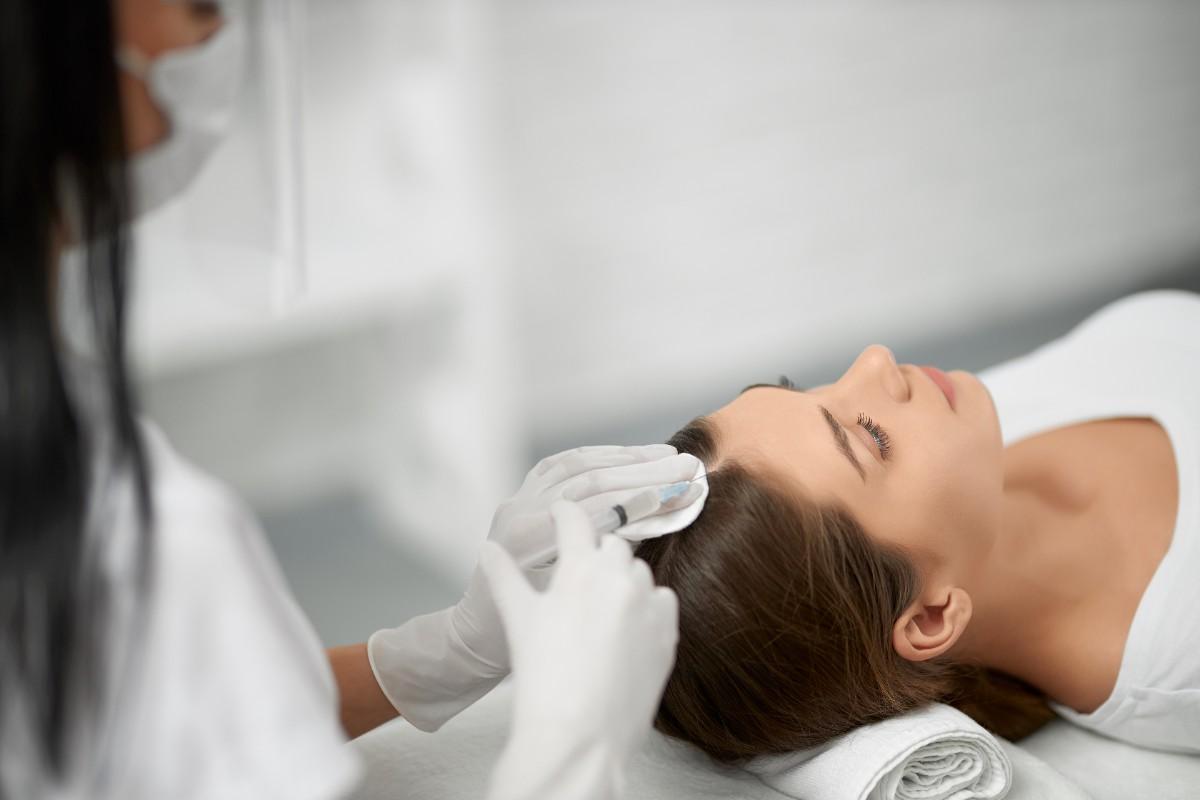
Healthy hair does not look the same for everyone. Some people struggle with dryness and frizz, while others deal with oily roots, breakage, rough ends, or damage caused by coloring and heat styling. Because hair concerns vary so much, choosing a treatment simply because it worked for someone else may not give you the results you expect.
Professional hair treatments can help improve the appearance, texture, and manageability of your hair, but the right treatment depends on your hair type and its current condition. Understanding your hair before booking a service can help you make a better decision.
This guide explains how to choose a suitable hair treatment based on common hair types and concerns.
Why Your Hair Type Matters
Hair treatments are not one-size-fits-all. The same treatment can produce different results depending on your hair's texture, porosity, thickness, chemical history, and overall condition.
For example, someone with dry, curly hair may need more moisture, while someone with fine, damaged hair may benefit from a lightweight strengthening treatment.
Before choosing a service, a professional should ideally consider:
-
Hair texture
-
Hair thickness
-
Scalp condition
-
Hair porosity
-
Previous chemical treatments
-
Heat-styling habits
-
Current damage
-
Your desired result
This assessment makes it easier to select a treatment that supports your actual hair needs.
Hair Treatments for Dry Hair
Dry hair often feels rough, looks dull, and becomes difficult to manage. It may also develop split ends and frizz more easily.
Dryness can be caused by frequent washing, excessive heat, sun exposure, chemical treatments, or insufficient conditioning.
If your main concern is dryness, a moisture-focused treatment may be more appropriate. Options can include:
-
Deep conditioning
-
Nourishing hair spa
-
Hydration treatments
-
Moisture masks
These services can help improve softness, manageability, and the overall appearance of dry hair.
However, regular home conditioning and using suitable hair products are equally important for maintaining the results.
Treatments for Frizzy Hair
Frizz can occur when the hair's outer layer becomes rough or when the hair reacts to humidity. Naturally curly and wavy hair may also be more prone to frizz.
If your goal is smoother, more manageable hair, professional smoothing treatments may be considered.
Depending on your hair condition and desired result, options may include:
-
Keratin treatments
-
Smoothing treatments
-
Deep conditioning
-
Hair spa treatments
A consultation is important because some smoothing treatments involve chemical processing. Your stylist should assess whether your hair is strong enough for the service.
Treatments for Damaged Hair
Hair damage can develop from bleaching, coloring, frequent heat styling, chemical straightening, or rough handling.
Signs of damage may include:
-
Split ends
-
Excessive dryness
-
Breakage
-
Rough texture
-
Loss of shine
-
Hair that feels weak
Damaged hair often benefits from treatments designed to improve conditioning and manageability.
Protein-based treatments may be recommended when the hair needs strengthening, while moisture-focused treatments may be more suitable when dryness is the main concern.
It is important not to overuse strengthening treatments. Too much protein may leave some hair feeling stiff or brittle, which is why professional assessment can be helpful.
Treatments for Chemically Treated Hair
Colored, bleached, rebonded, or chemically straightened hair requires additional care.
Chemical services can alter the hair structure and make the strands more vulnerable to dryness and breakage.
If you regularly color or chemically treat your hair, your maintenance routine may include:
-
Deep conditioning
-
Hair spa
-
Protein treatments
-
Bond-supporting care where appropriate
-
Regular trimming
Your stylist can help create a maintenance plan based on the type and frequency of your chemical treatments.
Treatments for Fine Hair
Fine hair has a smaller strand diameter and can easily become weighed down by heavy products.
If you have fine hair, your treatment should improve its condition without making it look flat or greasy.
Lightweight conditioning treatments may be more suitable than extremely heavy masks.
A professional may also recommend a scalp-focused service if excess oil or product buildup is affecting the appearance of your hair.
The goal is to improve softness and manageability while maintaining natural volume.
Treatments for Thick and Coarse Hair
Thick or coarse hair can sometimes feel dry, especially toward the ends. It may also take longer to wash, dry, and style.
Moisture-rich treatments can help improve manageability and softness.
Depending on the desired look, options may include:
-
Deep conditioning
-
Hair spa
-
Smoothing treatments
-
Keratin treatments
If you want to maintain your natural texture, a nourishing treatment may be enough. If you prefer a smoother appearance, your stylist can discuss professional smoothing options.
Treatments for Curly and Wavy Hair
Curly and wavy hair often needs a careful balance between moisture and definition.
Over-cleansing or excessive heat can make curls look dry and frizzy. A moisture-focused routine can help curls look softer and more manageable.
Professional treatments for curly or wavy hair may include deep conditioning and customized hair spa services.
If you want to maintain your natural curls, tell your stylist before choosing a smoothing or straightening service. The treatment should match your styling goals.
Treatments for Oily Scalp and Dry Ends
Some people have oily roots but dry or damaged lengths. This can make choosing hair products difficult.
Using heavy conditioning products directly on the scalp may increase the feeling of oiliness, while avoiding conditioner completely can leave the ends dry.
A professional can recommend a routine that separates scalp care from length care.
This may include appropriate scalp cleansing combined with conditioning focused mainly on the mid-lengths and ends.
Hair Spa vs Protein Treatment vs Keratin
These treatments are often confused, but they serve different purposes.
|
Treatment |
Generally Focuses On |
May Suit |
|
Hair spa |
Conditioning, nourishment and manageability |
Dry or dull hair |
|
Protein treatment |
Strength and conditioning |
Weak or damaged hair |
|
Keratin treatment |
Smoothing and frizz control |
Frizzy or difficult-to-manage hair |
|
Deep conditioning |
Moisture and softness |
Dry or rough hair |
|
Scalp treatment |
Cleansing and scalp care |
Buildup or scalp-related concerns |
The exact results depend on the products, application technique, hair condition, and individual response.
How Often Should You Get a Hair Treatment?
There is no universal schedule.
Some people may benefit from occasional treatments, while chemically treated or particularly dry hair may require more regular professional care.
Your ideal frequency depends on:
-
Hair condition
-
Hair type
-
Chemical treatments
-
Heat styling
-
Washing routine
-
Lifestyle
-
Home care
Getting treatments too frequently does not necessarily mean healthier hair. A professional should recommend a schedule based on your actual needs.
What to Do Before a Hair Treatment
Before your appointment, tell your stylist about any recent chemical services.
Mention if you have recently had:
-
Hair coloring
-
Bleaching
-
Rebonding
-
Straightening
-
Keratin
-
Perming
This information helps the professional choose a safer and more suitable approach.
You should also explain exactly what you want from the treatment. For example, "I want less frizz but I don't want completely straight hair" gives your stylist much more useful information than simply asking for a smoothing treatment.
Aftercare Is Just as Important
Professional treatment is only one part of maintaining healthy-looking hair.
After your service:
-
Use products suitable for your hair type.
-
Avoid excessive heat.
-
Apply heat protection when styling.
-
Condition regularly.
-
Avoid aggressive brushing.
-
Follow your stylist's specific aftercare instructions.
-
Protect your hair from excessive sun exposure.
Good home care can help maintain the appearance and manageability achieved at the salon.
When Should You Seek Professional Advice?
If you are experiencing persistent hair loss, sudden thinning, bald patches, severe scalp itching, inflammation, or unexplained changes in your hair, a salon treatment may not be enough.
These symptoms can sometimes be associated with medical or nutritional conditions. In such cases, a dermatologist can help identify the underlying cause and recommend appropriate treatment.
A salon professional can support your cosmetic hair care routine, but medical hair and scalp conditions require appropriate medical evaluation.
Choosing the Right Hair Treatment Clinic
The professional performing your treatment matters as much as the product being used. If you're looking for a hair treatment clinic in ghatkopar, choose a place where professionals assess your hair before recommending a service, explain realistic results, use appropriate products, and provide clear aftercare guidance.
At Destine Salon, hair treatments are selected according to individual hair concerns rather than following a standard treatment for everyone. The professional team can help assess concerns such as dryness, frizz, damage, roughness, and difficult-to-manage hair before recommending suitable hair spa, conditioning, smoothing, or strengthening services.
Final Thoughts
Choosing the right hair treatment starts with understanding what your hair actually needs. Dry hair may need moisture, damaged hair may require strengthening and conditioning, while frizzy hair may benefit from a smoothing approach. Fine, thick, curly, and chemically treated hair can also require different treatment strategies.
Instead of choosing a treatment solely because it is trending, speak with a professional and discuss your hair history, concerns, and desired results. With the right professional treatment and a consistent home-care routine, you can keep your hair looking smoother, healthier, and easier to manage.

 English
 Arabic
 French
 Spanish
 Portuguese
 Deutsch
 Turkish
 Dutch
Dutch
 Italiano
 Russian
 Portuguese (Brazil)
 Greek
Greek
