


On-Page SEO: Complete Guide to Optimizing Pages for Search
Introduction
A website can have strong content, quality backlinks, and a technically sound foundation, yet individual pages may still struggle to perform in organic search.
One reason is poor on-page SEO.
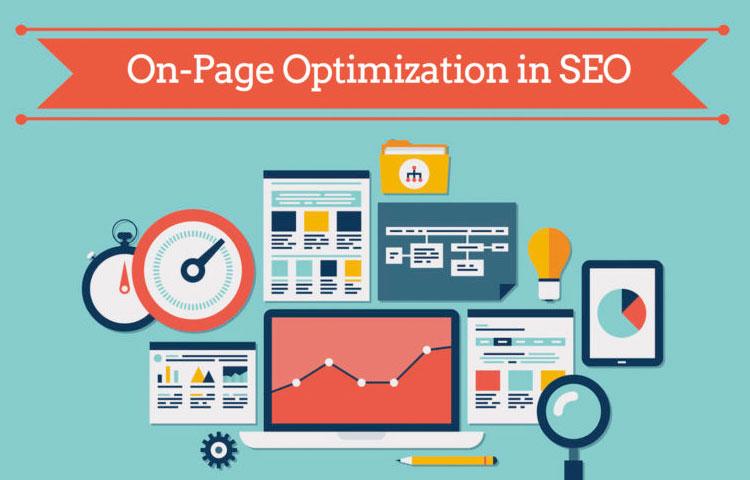
On-page SEO is the process of optimizing the visible and underlying elements of a webpage so search engines can better understand its purpose. At the same time, users can quickly find and consume the information they need.
Effective optimization is not about placing a keyword repeatedly throughout a page. It is about creating a clear relationship between the search query, the user's intent, the page content, and the overall website structure.
When these elements work together, a page becomes easier to understand, more useful to visitors, and better positioned to compete in search results.
What Is On-Page SEO?
It refers to optimizing elements that appear directly on a webpage.
These include:
-
Page titles
-
Headings
-
Main content
-
Keyword and topic usage
-
URLs
-
Internal links
-
Images and alternative text
-
Meta descriptions
-
Content structure
-
Search intent alignment
-
User experience
-
Relevant supporting information
The objective is simple: make the page clearly communicate what it is about and why it deserves to satisfy the searcher's query.
This makes on-page optimization distinct from link building, which focuses primarily on external authority signals, and from technical SEO, which focuses more heavily on crawling, indexing, site performance, and technical accessibility.
A successful SEO strategy requires all three areas to work together.
Why On-Page SEO Matters
Search engines need to interpret billions of webpages and determine which pages are most useful for particular searches.
Clear on-page signals help establish:
-
What the page is about
-
Which questions it answers
-
Who the content is intended for
-
How comprehensive the information is
-
How the page connects with other content on the website
For users, good search optimization creates a better experience.
A well-optimized page usually has a clear title, logical headings, concise introductions, useful supporting information, readable paragraphs, relevant internal links, and an obvious next step.
That means optimization should never be treated as something added after content is written. It should influence how the page is planned from the beginning.
Start With Search Intent
Before changing titles, headings, or keywords, determine what the searcher actually wants.
Search intent generally falls into several broad categories:
-
Informational: The user wants to learn something.
-
Commercial: The user is researching options before making a decision.
-
Transactional: The user is ready to take an action or make a purchase.
-
Navigational: The user is trying to find a specific website, brand, or resource.
A page can target an important keyword and still underperform if its content does not satisfy the corresponding intent.
For example, someone searching for a definition may expect an educational explanation. Someone searching for a service may instead want information about processes, benefits, pricing factors, results, and how to get started.
Therefore, an effective on-page SEO strategy begins with the question:
What would make this page the most useful result for this particular search?
Optimize the Title Tag
The title tag is one of the most important elements of page-level optimization.
It helps search engines understand the page and can strongly influence whether a searcher clicks.
A strong title should:
-
Clearly describe the page
-
Reflect the primary topic
-
Match search intent
-
Be concise
-
Give users a reason to continue
Avoid titles that simply repeat a keyword.
Instead of creating a title such as:
On-Page SEO | Search Optimization Services | Search Optimization Techniques
a better approach is to communicate the value of the page:
On-Page SEO: A Practical Guide to Optimizing Your Website
The second version is clearer, more natural, and more useful to the reader.
Write Useful Meta Descriptions
Meta descriptions are not simply a place to insert additional keywords.
Their primary practical value lies in helping searchers understand what to expect from a page.
A strong meta description should summarize the page accurately and encourage a relevant click.
For example, instead of repeating a list of keywords, explain what the reader will learn:
Learn how to optimize titles, headings, content, internal links, images, and page structure for stronger search visibility.
The description should accurately represent the content. Overpromising can create a mismatch between the search result and the actual page experience.
Create a Clear Heading Structure
Headings make content easier for both readers and search engines to understand.
A well-structured page normally has:
-
One clear main heading
-
Logical H2 sections
-
H3 headings where additional hierarchy is useful
-
Descriptive headings that communicate what each section contains
Headings should describe the actual subject of each section rather than being written purely for keyword insertion.
For example, an article about on-page optimization might use sections such as:
-
What Is On-Page SEO?
-
Why Search Optimization Matters
-
How to Optimize Title Tags
-
Improving Internal Links
-
Optimizing Images
-
Measuring On-Page Performance
This structure allows readers to scan the page and find the information most relevant to them.
Use Keywords Naturally
Keywords remain useful for establishing topical relevance, but modern optimization should focus on concepts rather than repetition.
The primary keyword can appear naturally in important locations such as:
-
Title
-
Main heading
-
Introduction
-
Relevant subheadings
-
Body content
-
URL where appropriate
-
Internal link context
However, there is no benefit to forcing the same phrase into every paragraph.
A stronger approach is to naturally include related concepts, terminology, questions, and variations that help explain the topic comprehensively.
For example, a page about Website Optimization might naturally discuss:
-
Search intent
-
Content optimization
-
Internal linking
-
Heading structure
-
Title tags
-
Meta descriptions
-
Image optimization
-
Content freshness
-
Page experience
-
Keyword mapping
This creates a more complete topical context without relying on repetitive keyword placement.
Make the Introduction Immediately Useful
The first few paragraphs should quickly establish what the page offers.
Avoid lengthy introductions that delay the answer.
A useful introduction should:
-
Identify the topic.
-
Explain why it matters.
-
Establish what the reader will learn.
-
Lead naturally into the main content.
This is particularly important for informational searches, where users often scan a page before deciding whether it is worth reading in detail.
A concise and informative opening improves clarity while making the page easier to navigate.
Build Comprehensive, Original Content
Strong on-page optimization cannot compensate for weak content.
A page should provide enough useful information to satisfy the purpose behind the search.
That does not necessarily mean making every article extremely long.
Instead, focus on:
-
Covering important subtopics
-
Answering likely follow-up questions
-
Providing original insights
-
Using examples where helpful
-
Removing unnecessary repetition
-
Supporting important claims
-
Demonstrating relevant expertise
-
Keeping the information current
The ideal content length depends on the subject.
A simple question may require only a few hundred useful words, while a complex topic may require a much more detailed explanation.
The goal should always be complete usefulness rather than an arbitrary word count.
Strengthen Internal Linking
Internal links help users discover related information and help search engines understand relationships between pages.
A strong internal linking strategy connects related content logically.
For example, an educational article about Website Optimization could link to:
-
A technical SEO guide
-
A keyword research resource
-
A content strategy article
-
An SEO audit resource
-
A website architecture guide
The anchor text should describe the destination naturally.
Rather than repeatedly using exact-match commercial anchors, use descriptive phrases that make sense within the surrounding sentence.
For businesses offering on-page SEO services, internal linking can also help connect educational resources with relevant service pages without disrupting the reader experience.
Optimize URLs for Clarity
A clean URL can make the page's subject immediately understandable.
A good URL should generally be:
-
Short
-
Descriptive
-
Easy to read
-
Relevant to the page
-
Free from unnecessary parameters where possible
For example:
/on-page-seo-guide/
is clearer than a URL containing a long series of numbers, symbols, or unrelated words.
Changing established URLs should be handled carefully, however. Existing links, rankings, redirects, and indexing signals need to be considered before making structural changes.
Optimize Images
Images can improve comprehension, but they should also be properly optimized.
Important considerations include:
-
Relevant file names
-
Appropriate image formats
-
Reasonable file sizes
-
Descriptive alternative text where appropriate
-
Responsive presentation
-
Proper placement within the content
Alternative text should describe an image when the description provides value.
It should not be treated as an opportunity to insert unnecessary keywords.
Image optimization also contributes to a better overall page experience, particularly when large files unnecessarily slow down loading.
Improve Content Readability
Even excellent information can perform poorly from a user perspective if it is difficult to read.
Improve readability through:
-
Short paragraphs
-
Descriptive headings
-
Bullet points
-
Tables where useful
-
Clear examples
-
Simple sentence structures
-
Adequate spacing
-
Logical information flow
Readers increasingly scan content before committing to a full reading session.
Good formatting allows them to identify important information quickly.
This is especially valuable for long-form SEO content.
Use Relevant External References
Internal links establish relationships within your website, while carefully selected external references can help users explore authoritative information beyond your site.
External links should be used when they genuinely improve the page.
For example, linking to:
-
Official documentation
-
Original research
-
Industry standards
-
Primary data
-
Trusted educational resources
can provide additional context.
The objective should not be to add a specific number of external links. Relevance and usefulness matter more than quantity.
Avoid Keyword Cannibalization
One overlooked aspect of Website Optimization is ensuring that multiple pages do not compete for the same search intent.
Keyword cannibalization can occur when several pages target substantially similar topics without clearly differentiated purposes.
For example, a website might have separate pages targeting:
-
SEO services
-
SEO service
-
SEO optimization services
-
Search engine optimization services
If these pages provide almost identical information, search engines may have difficulty determining which one should rank for a particular query.
A better approach is to map each page to a distinct intent or purpose.
Before creating a new page, review existing content and ask:
Does this topic already have a page that satisfies the same search intent?
If the answer is yes, improving the existing page may be more effective than creating another similar URL.
Use Search Console Data to Improve Existing Pages
On-page optimization should not stop after publication.
Search performance data can reveal opportunities that were not obvious during the original content planning process.
Search Console data can help identify:
-
Queries generating impressions
-
Pages receiving visibility but few clicks
-
Keywords where a page is close to stronger rankings
-
Unexpected search terms
-
Pages losing visibility
-
Potential content gaps
Suppose a page receives substantial impressions for a related query but does not perform strongly.
That can indicate an opportunity to improve:
-
The title
-
Search intent alignment
-
Content depth
-
Heading structure
-
Internal links
-
Supporting sections
-
Click appeal
This turns Website Optimization into an ongoing optimization process rather than a one-time task.
Refresh Content Strategically
Not every page needs frequent changes.
Content should be refreshed when there is a meaningful reason, such as:
-
Information becoming outdated
-
New developments in the industry
-
Changes in search intent
-
New questions appearing in Search Console
-
Declining organic visibility
-
Outdated examples
-
Broken or irrelevant references
A content refresh should improve the page rather than simply changing a few sentences.
Review the entire page and determine whether it still provides the best possible answer to the searcher's needs.
On-Page SEO and User Experience
Search optimization and user experience should support each other.
A page that technically includes the right keywords can still disappoint visitors if it is confusing, difficult to navigate, slow, or overloaded with promotional elements.
Consider:
-
Is the main answer easy to find?
-
Can users scan the page?
-
Are important sections clearly organized?
-
Are internal links useful?
-
Is the call to action relevant?
-
Does the page work well on mobile devices?
-
Are intrusive elements distracting from the content?
The strongest Search Optimization techniques improve both discoverability and usability.
A Practical On-Page SEO Checklist
Before publishing or updating a page, review the following:
Search Intent
-
Does the page satisfy the primary search intent?
-
Is the purpose of the page clear?
-
Does the content answer the user's likely questions?
Content
-
Is the information original and useful?
-
Are important subtopics covered?
-
Is unnecessary repetition removed?
-
Are examples or evidence included where useful?
Titles and Headings
-
Is the title descriptive?
-
Does the main heading clearly explain the topic?
-
Are headings logically structured?
-
Are keywords used naturally?
Internal Linking
-
Does the page link to relevant resources?
-
Are important pages discoverable?
-
Is anchor text descriptive and natural?
Images
-
Are images relevant?
-
Are file sizes optimized?
-
Is alternative text used appropriately?
URLs
-
Is the URL concise and descriptive?
-
Does it accurately represent the page?
User Experience
-
Is the page easy to scan?
-
Are paragraphs readable?
-
Is the main information easy to locate?
-
Is the page usable across different devices?
Performance Monitoring
-
Has Search Console data been reviewed?
-
Are impressions and clicks being monitored?
-
Are ranking opportunities identified?
-
Is the content refreshed when necessary?
For a more detailed implementation, an on-page SEO checklist can serve as a practical reference when reviewing individual pages.
Common On-Page SEO Mistakes
Several mistakes repeatedly weaken otherwise good pages.
1. Keyword Stuffing
Repeating the same keyword unnaturally can reduce readability and create a poor user experience.
2. Writing for Search Engines Instead of People
Content should answer real questions rather than simply satisfy a keyword list.
3. Ignoring Search Intent
A page may target the correct phrase but provide the wrong type of content.
4. Creating Similar Pages
Multiple pages with overlapping purposes can create unnecessary competition within the same website.
5. Neglecting Internal Links
A useful page that is poorly connected to the rest of the website may be harder for users and search engines to discover.
6. Focusing Only on New Content
Existing pages often contain significant opportunities for improvement.
7. Treating Word Count as the Goal
Longer content is not automatically better. Relevance, completeness, accuracy, and usefulness matter more.
8. Over-Optimizing Every Element
Not every heading, sentence, image, and link needs to contain a target keyword.
Natural optimization generally produces a better page.
How to Measure On-Page SEO Performance
Optimization should be connected to measurable outcomes.
Useful indicators include:
-
Organic impressions
-
Organic clicks
-
Click-through rate
-
Ranking trends
-
Query visibility
-
Organic traffic
-
Engagement signals
-
Conversions
-
Assisted conversions
-
Internal-link engagement
Do not judge success from rankings alone.
A page moving from position 50 to position 15 may represent meaningful progress, even if it has not yet reached the first few results.
Likewise, an increase in impressions without corresponding clicks may indicate an opportunity to improve the page's search-result presentation or its relevance to the query.
The most useful measurement framework connects visibility with actual business outcomes.
On-Page SEO Should Be an Ongoing Process
Search behavior changes, competitors publish new content, websites evolve, and existing pages can become outdated.
That means Search Optimization should be treated as an ongoing process.
A sustainable workflow looks like this:
Research → Plan → Optimize → Publish → Measure → Improve
First, understand the search intent and competitive landscape.
Next, create a page structure that addresses the topic comprehensively.
Then optimize the important on-page elements without forcing keywords into the content.
After publication, monitor search performance and user behavior.
Finally, use the data to identify opportunities for improvement.
This approach turns SEO from a one-time checklist into a continuous growth system.
Final Thoughts
Effective on-page SEO is ultimately about creating the clearest and most useful version of a webpage for a specific search intent.
Titles, headings, keywords, internal links, images, URLs, content structure, and readability all contribute to that goal. But none of these elements should be optimized in isolation.
The strongest results come from combining useful content with clear information architecture, natural optimization, strong internal linking, and continuous performance analysis.
When every page has a clear purpose and genuinely helps its intended audience, on-page optimization becomes more than an SEO tactic; it becomes a foundation for sustainable organic visibility and better user experiences.

 English
 Arabic
 French
 Spanish
 Portuguese
 Deutsch
 Turkish
 Italiano
 Russian
 Romaian
 Portuguese (Brazil)
 Greek
Greek
