


How an Orthopedic Physiotherapist Helps Manage Common Orthopedic Problems and Improve Mobility
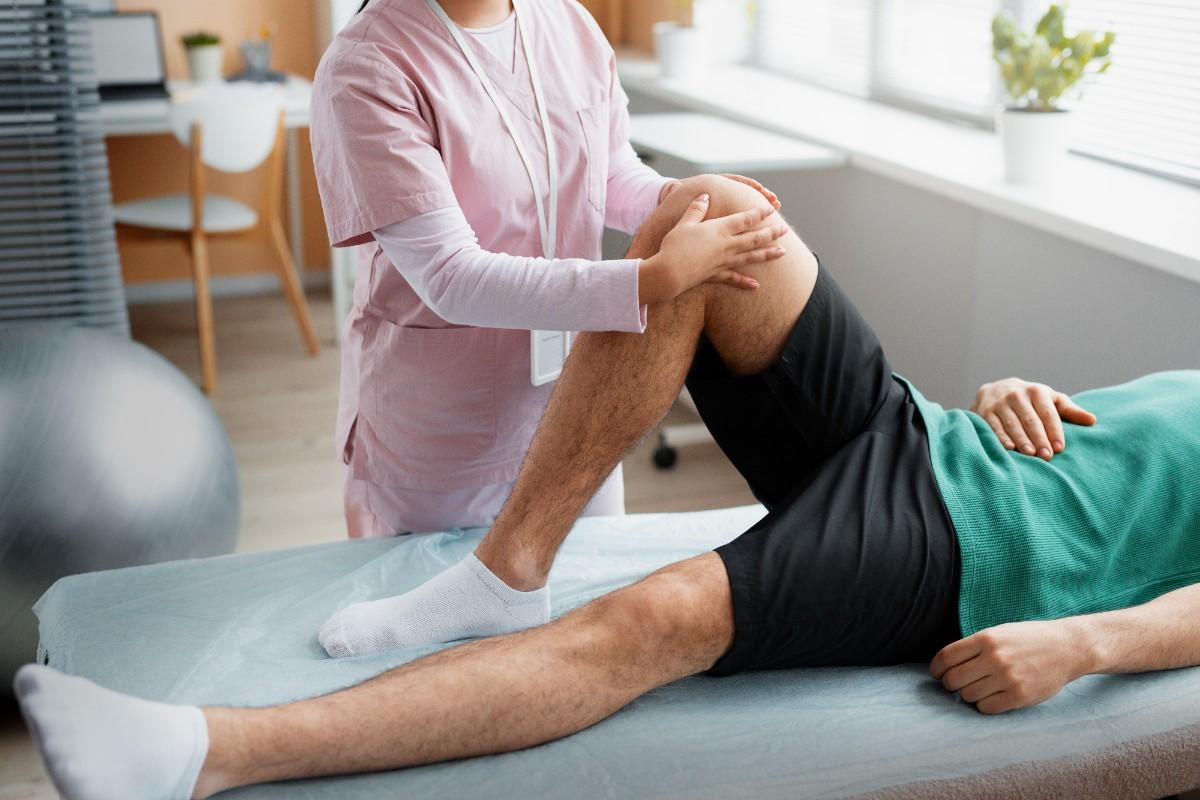
Pain, stiffness, reduced flexibility, and difficulty moving can affect people of all ages. Whether it is persistent back pain, a painful knee, a sports injury, or stiffness after surgery, orthopedic problems can make everyday activities uncomfortable and limit mobility.
While medication may provide temporary relief in some situations, physiotherapy focuses on improving movement, strength, flexibility, and physical function. An Orthopedic Physiotherapist can assess the underlying movement problem and create a personalised rehabilitation plan based on an individual's condition and goals.
With appropriate physiotherapy, many people can work toward better mobility and improved confidence in their daily movements.
What Is Orthopedic Physiotherapy?
Orthopedic physiotherapy focuses on conditions affecting the musculoskeletal system, including muscles, bones, joints, ligaments, tendons, and soft tissues.
An Orthopedic Physiotherapist evaluates factors such as pain, muscle strength, joint mobility, posture, flexibility, balance, and movement patterns. Based on the assessment, they may use therapeutic exercises, manual techniques, mobility training, stretching, strengthening, and functional rehabilitation.
The aim is not simply to reduce pain. A good rehabilitation programme also addresses the factors that may be contributing to restricted movement and reduced physical function.
Common Orthopedic Problems Physiotherapy Can Help Manage
1. Back Pain
Back pain is one of the most common musculoskeletal complaints. It may be associated with prolonged sitting, poor movement habits, muscle weakness, previous injuries, or certain spinal conditions.
Physiotherapy can include strengthening exercises, mobility work, posture education, and movement training. An Orthopedic Physiotherapist can also help identify movements that may be aggravating symptoms and teach safer ways to perform everyday activities.
The right approach depends on the cause and severity of the back problem.
2. Knee Pain
Knee pain can make walking, climbing stairs, squatting, and standing from a chair difficult. It can occur due to arthritis, overuse, injuries, muscle weakness, or problems affecting the surrounding joints and soft tissues.
Physiotherapy may focus on strengthening the quadriceps, hamstrings, glutes, and calf muscles while improving knee and lower-limb mobility.
A progressive exercise programme can help improve functional strength and make everyday movements easier.
3. Shoulder Pain and Stiffness
Shoulder problems can affect reaching, lifting, dressing, sleeping, and other daily activities. Conditions such as rotator cuff problems, frozen shoulder, or injuries can lead to pain and restricted movement.
An Orthopedic Physiotherapist may assess shoulder mobility, strength, posture, and movement patterns before developing an appropriate treatment programme.
Depending on the condition, rehabilitation may involve stretching, strengthening, mobility exercises, and gradual functional training.
4. Arthritis and Joint Stiffness
Arthritis can contribute to joint pain, stiffness, weakness, and reduced mobility. Avoiding movement completely may sometimes make physical function decline further.
Physiotherapy can help people remain active through appropriate exercises designed around their abilities. Strengthening surrounding muscles and maintaining joint mobility may support everyday function.
The exercise programme should be adjusted according to the individual's symptoms, fitness level, and medical considerations.
5. Sports Injuries
Athletes and physically active individuals may experience sprains, strains, tendon problems, or other musculoskeletal injuries.
Returning to sport too quickly can increase the risk of reinjury. An Orthopedic Physiotherapist can help guide rehabilitation through different stages, from restoring basic movement and strength to improving sport-specific function.
Rehabilitation may include strength training, flexibility work, balance exercises, coordination drills, and gradual return-to-activity programmes.
6. Post-Surgical Rehabilitation
Surgery may be necessary for certain orthopedic conditions, but recovery does not necessarily end after the procedure.
Physiotherapy can play an important role in restoring mobility and strength following procedures such as joint replacement or orthopedic surgery. A physiotherapist can work within the medical team's recommendations to develop progressive exercises and functional training.
The rehabilitation timeline varies depending on the surgery, individual health, and recovery progress.
How Does an Orthopedic Physiotherapist Improve Mobility?
Improving mobility involves more than simply stretching tight muscles. Several factors can affect how easily a person moves.
Improving Muscle Strength
Weak muscles can make everyday movements harder and may affect joint stability. Progressive strengthening exercises can help improve the body's ability to support and control movement.
Exercises may include resistance training, bodyweight movements, functional exercises, and targeted strengthening.
Increasing Flexibility and Joint Mobility
Restricted movement can make activities such as walking, reaching, bending, or climbing stairs more difficult.
Appropriate stretching and mobility exercises can help improve the available range of movement. The exercises should be selected according to the person's condition rather than following a generic routine.
Correcting Movement Patterns
Sometimes pain or injury can change the way a person moves. For example, someone with knee pain may alter their walking pattern to avoid discomfort.
An Orthopedic Physiotherapist can observe movement and identify areas that may require correction. Retraining movement can help people perform everyday activities more efficiently.
Building Functional Strength
Strength needs to translate into everyday activities. This is why physiotherapy often includes functional exercises.
Depending on the person's needs, rehabilitation may involve practising:
-
Getting up from a chair
-
Walking
-
Climbing stairs
-
Squatting
-
Reaching
-
Lifting
-
Maintaining balance
-
Returning to recreational activities
Functional training helps connect rehabilitation exercises with real-life movement.
What Can You Expect During an Orthopedic Physiotherapy Assessment?
An initial assessment generally begins with a discussion about symptoms, medical history, activity limitations, and treatment goals.
The physiotherapist may then evaluate:
-
Joint range of motion
-
Muscle strength
-
Flexibility
-
Posture
-
Balance
-
Walking pattern
-
Functional movements
-
Pain-related movement limitations
This assessment helps the physiotherapist understand the individual's current physical capabilities and determine which rehabilitation strategies may be suitable.
Treatment can then be progressed as the person becomes stronger and more comfortable with movement.
Is Physiotherapy Only for People With Severe Pain?
No. Physiotherapy can be useful for people experiencing different levels of musculoskeletal difficulty.
Someone may seek physiotherapy because of persistent pain, but others may seek help because they have stiffness, weakness, reduced mobility, or difficulty returning to normal activities after an injury.
Early professional assessment can help identify movement limitations and provide guidance before the problem begins significantly affecting daily life.
However, persistent, severe, or unexplained pain should always be medically evaluated when appropriate.
Why Is Personalised Rehabilitation Important?
Two people with the same diagnosis may have completely different symptoms, physical abilities, and recovery needs.
For example, one person with knee pain may primarily have muscle weakness, while another may have significant stiffness or difficulty with balance. Their rehabilitation programmes should therefore be adjusted accordingly.
An Orthopedic Physiotherapist can modify exercises based on progress, symptoms, functional goals, and tolerance. This personalised approach can make rehabilitation more relevant and practical.
How Can You Support Your Recovery?
Physiotherapy works best when patients actively participate in their rehabilitation. Following prescribed exercises consistently and gradually returning to normal activities can support progress.
Other useful habits may include:
-
Maintaining appropriate physical activity
-
Avoiding prolonged inactivity
-
Following professional exercise instructions
-
Using proper movement techniques
-
Taking adequate rest when required
-
Communicating changes in symptoms to the physiotherapist
-
Attending recommended follow-up sessions
Most importantly, exercises should not be progressed aggressively without appropriate guidance, particularly after an injury or surgery.
When Should You Consider Seeing an Orthopedic Physiotherapist?
Consider seeking professional physiotherapy advice if you experience ongoing difficulty with:
-
Walking or climbing stairs
-
Joint movement
-
Bending or reaching
-
Returning to sports
-
Recovering after orthopedic surgery
-
Performing everyday activities
-
Maintaining strength after an injury
-
Managing recurring musculoskeletal problems
An assessment can help determine whether physiotherapy is appropriate and what type of rehabilitation may be beneficial.
Conclusion
Orthopedic problems can affect much more than comfort. Pain, stiffness, weakness, and restricted movement can interfere with work, exercise, household activities, and overall independence.
An Orthopedic Physiotherapist can help address these challenges through assessment, targeted exercises, mobility training, strengthening, functional rehabilitation, and education. The objective is to support better movement and physical function while helping individuals work toward their personal recovery goals.
For people dealing with orthopedic conditions or mobility limitations, professional assessment can be an important step toward choosing an appropriate rehabilitation approach. Dr. Vigil’s Advance Physiotherapy provides physiotherapy services focused on individual rehabilitation and mobility needs.
Tags: Orthopedic Physiotherapist, orthopedic physiotherapy, mobility improvement, musculoskeletal rehabilitation, physiotherapy treatment

 English
 Arabic
 French
 Spanish
 Portuguese
 Deutsch
 Turkish
 Italiano
 Russian
 Romaian
 Portuguese (Brazil)
 Greek
Greek
