


How to Sell Shoes on Amazon: A Complete Guide for New Sellers
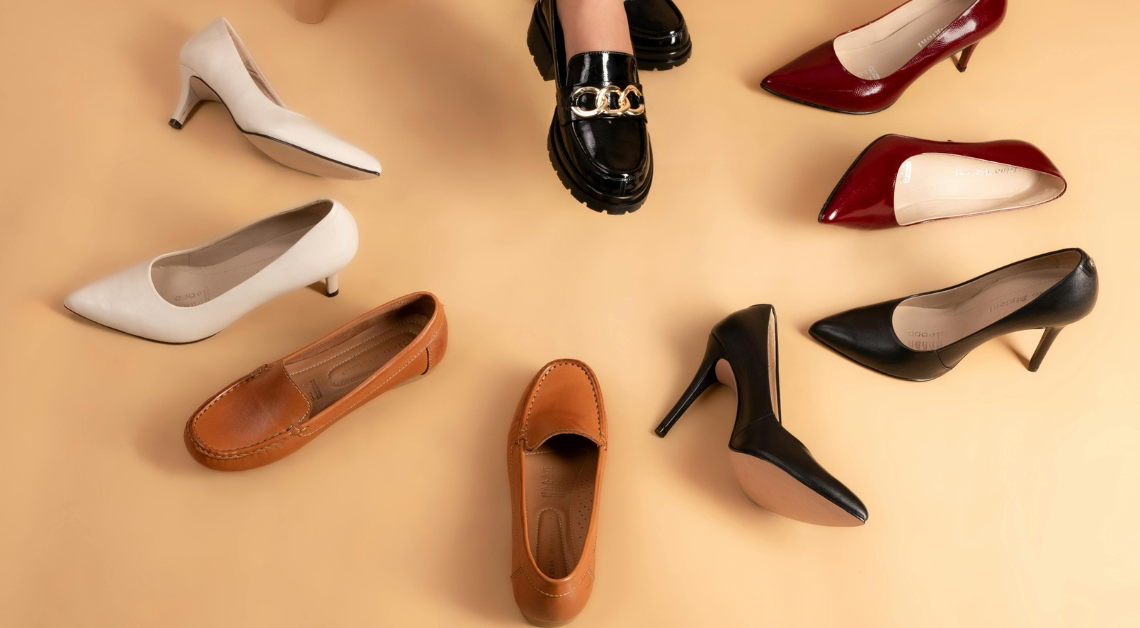
Selling shoes on Amazon can be a strong opportunity for brands, wholesalers, manufacturers, and entrepreneurs who want to reach millions of online shoppers. However, success requires more than simply creating a product listing and waiting for orders. Sellers need to understand Amazon’s requirements, product sourcing, listing optimization, pricing, inventory, advertising, and customer experience.
If you are wondering how to sell shoes on Amazon, the good news is that the process can be broken into manageable steps. This guide explains what you need to know before starting and how to build a shoe business that can grow on Amazon.
Can I Sell Shoes on Amazon?
Yes, you can sell shoes on Amazon, but certain footwear products and brands may have additional requirements. Before listing products, sellers should check the current category, brand, and product-specific requirements in Amazon Seller Central.
The first step is deciding what type of shoes you want to sell. Options can include:
- Athletic and running shoes
- Casual footwear
- Boots
- Sandals
- Slippers
- Children's footwear
- Work shoes
- Fashion footwear
- Specialty footwear
Your ability to sell a particular product can depend on factors such as the brand, product category, intellectual property rights, and Amazon's current selling policies.
If you are selling branded footwear, make sure you have legitimate sourcing documentation and authorization where required. Avoid counterfeit products or listings that could create intellectual property problems.
Selling Shoes on Amazon: Step-by-Step
Once you determine that your products are eligible, you can begin building your Amazon business.
1. Choose the Right Shoe Product
Product selection is one of the most important decisions you'll make.
Look for products with sufficient customer demand while evaluating competition, selling price, estimated fees, shipping costs, and potential profit margins.
Consider questions such as:
- Is there consistent demand for the product?
- How competitive is the niche?
- What price are customers willing to pay?
- Can you maintain a healthy profit margin?
- Are competitors offering better features or value?
- Can you differentiate your product?
Don't choose a shoe simply because it has high sales. A highly competitive product with thin margins can be difficult for a new seller to scale.
2. Research Your Competition
Before creating your listing, analyze competing products on Amazon.
Pay attention to their titles, images, bullet points, descriptions, reviews, pricing, variations, and overall customer experience.
Reviews can be particularly valuable because they reveal problems customers are experiencing. For example, shoppers may complain about sizing, uncomfortable materials, poor durability, or inaccurate product descriptions.
These insights can help you create a better product and a more useful listing.
3. Create an Optimized Amazon Shoe Listing
Your product listing needs to communicate value quickly while helping Amazon understand what your product is relevant for.
An effective listing typically includes:
- A keyword-focused product title
- High-quality product images
- Clear bullet points
- A useful product description
- Relevant search terms
- Accurate sizing information
- Product specifications
- Appropriate product variations
For footwear, images are particularly important. Customers cannot physically try on the shoes before purchasing, so your images should clearly communicate the design, materials, sole, fit, and other important characteristics.
Include accurate sizing information and explain any important fit considerations. Reducing uncertainty can help improve conversion rates and potentially reduce avoidable returns.
4. Build Strong Product Variations
Shoes commonly have multiple sizes and colors. Organizing legitimate variations correctly can make the shopping experience easier for customers.
Instead of creating confusing or duplicate listings, structure variations according to Amazon's applicable requirements.
For example, a shoe may have:
Style: Running Shoe
Color: Black
Sizes: 8, 9, 10, 11, 12
A clear variation structure can allow shoppers to select the option they want without having to search through multiple product pages.
5. Calculate Amazon Fees and Profitability
Before selling shoes on Amazon, calculate your actual costs.
Your profitability may be affected by:
- Product cost
- Amazon selling fees
- Fulfillment costs
- Storage fees
- Shipping
- Packaging
- Returns
- Advertising
- Discounts and promotions
- Operational expenses
A product that appears profitable at the wholesale price may have a much smaller margin after all expenses are considered.
Create a realistic profit calculation before ordering significant inventory.
6. Decide How to Fulfill Orders
Amazon sellers generally need to choose an appropriate fulfillment method for their business.
With Fulfillment by Amazon (FBA), inventory is sent to Amazon fulfillment centers, and Amazon handles eligible order fulfillment, shipping, customer service, and returns.
Some businesses may instead choose to fulfill orders themselves, depending on their products, operations, margins, and customer requirements.
The right approach depends on your inventory, sales volume, operational capabilities, and overall business model.
7. Optimize Your Amazon Listing for Search
If shoppers cannot find your products, strong products alone will not generate consistent sales.
Amazon listing optimization should combine customer-focused copy with relevant search terms.
For example, a seller targeting a running shoe might research phrases related to:
- Running shoes for men
- Lightweight running shoes
- Athletic shoes
- Training shoes
- Comfortable running footwear
However, keywords should always be used naturally and accurately. Adding irrelevant search terms can create a poor customer experience and may not produce qualified traffic.
The goal is to match the language shoppers use with the product information Amazon needs to understand the listing.
8. Use Amazon Advertising to Generate Traffic
New shoe products can struggle to gain visibility organically, particularly in competitive categories.
Amazon advertising can help sellers put products in front of shoppers who are already searching for relevant products.
Depending on eligibility and campaign objectives, sellers may use advertising formats such as Sponsored Products, Sponsored Brands, and Sponsored Display.
A practical advertising strategy can include:
- Launching campaigns around relevant keywords.
- Testing different match types and targeting approaches.
- Monitoring search terms and performance.
- Adding negative targets where appropriate.
- Adjusting bids according to performance.
- Moving profitable search terms into more controlled campaigns.
- Reducing wasted advertising spend.
- Scaling campaigns that generate profitable sales.
Advertising should not simply focus on increasing sales. The goal should be sustainable growth while protecting profitability.
9. Monitor ACoS and TACoS
Two important metrics for Amazon sellers are ACoS and TACoS.
ACoS (Advertising Cost of Sales) measures advertising spend relative to advertising-attributed sales.
TACoS (Total Advertising Cost of Sales) evaluates advertising spend against total sales and can provide a broader view of how advertising affects the overall business.
Instead of looking at one metric in isolation, sellers should evaluate advertising performance alongside profit margins, organic sales, conversion rate, average order value, and overall revenue.
10. Manage Inventory Carefully
Inventory management is particularly important when selling shoes because sellers may have numerous sizes and colors.
A product may appear well-stocked overall while a popular size is already running low.
Monitor inventory at the variation level and forecast demand based on historical sales, advertising activity, seasonality, promotions, and lead times.
Running out of popular sizes can result in lost sales and make it harder to maintain consistent momentum.
11. Protect Your Amazon Brand
As your shoe business grows, protecting your brand becomes increasingly important.
Keep documentation for your products and suppliers, monitor your listings, and pay attention to unauthorized sellers, intellectual property issues, and suspicious listing changes.
Brand owners should also consider Amazon's available brand-protection programs when eligible.
Maintaining accurate product information and responding quickly to listing problems can help protect your business.
Common Mistakes When Selling Shoes on Amazon
Many new sellers make avoidable mistakes when entering the footwear category.
Choosing a Product Without Research
High demand does not automatically mean high profitability. Competition and fees can significantly affect your margins.
Using Poor Product Images
Customers need to understand what the shoes look like before purchasing. Low-quality images can reduce trust and conversions.
Ignoring Size and Fit Information
Footwear customers care heavily about fit. Incomplete sizing information can create uncertainty and potentially increase returns.
Overlooking Advertising Costs
Advertising can become expensive when campaigns are launched without proper keyword, bid, and search-term management.
Failing to Monitor Inventory
Stockouts on popular sizes can result in lost sales and frustrated customers.
Treating Every Keyword the Same
Different search terms can have dramatically different conversion rates and profitability. Campaigns should be analyzed based on actual performance.
How to Grow a Shoe Business on Amazon
Once your product begins generating sales, focus on improving the entire sales system rather than relying on one tactic.
A growth strategy can include:
- Improving listing conversion rates
- Expanding relevant keyword coverage
- Testing product images
- Improving A+ Content where available
- Optimizing advertising campaigns
- Controlling ACoS and TACoS
- Monitoring competitors
- Expanding profitable variations
- Maintaining sufficient inventory
- Improving customer experience
- Analyzing sales and advertising data
The strongest Amazon businesses continuously test, measure, and improve.
Final Thoughts
If you are asking can I sell shoes on Amazon, the answer is generally yes, provided your products and account meet Amazon's applicable requirements.
Learning how to sell shoes on Amazon involves much more than uploading a product. Successful selling shoes on Amazon requires product research, compliant sourcing, optimized listings, accurate sizing information, inventory management, advertising, and ongoing performance analysis.
For sellers who already have products but struggle with visibility, conversions, or advertising profitability, professional Amazon management can help create a more structured growth strategy. The key is to build an Amazon operation that attracts relevant shoppers while turning those visits into profitable sales.

 English
 Arabic
 French
 Spanish
 Portuguese
 Deutsch
 Turkish
 Dutch
Dutch
 Italiano
 Russian
 Romaian
 Portuguese (Brazil)
