


How to Compare 3 Junk Car Offers and Find the One That’s Actually Best
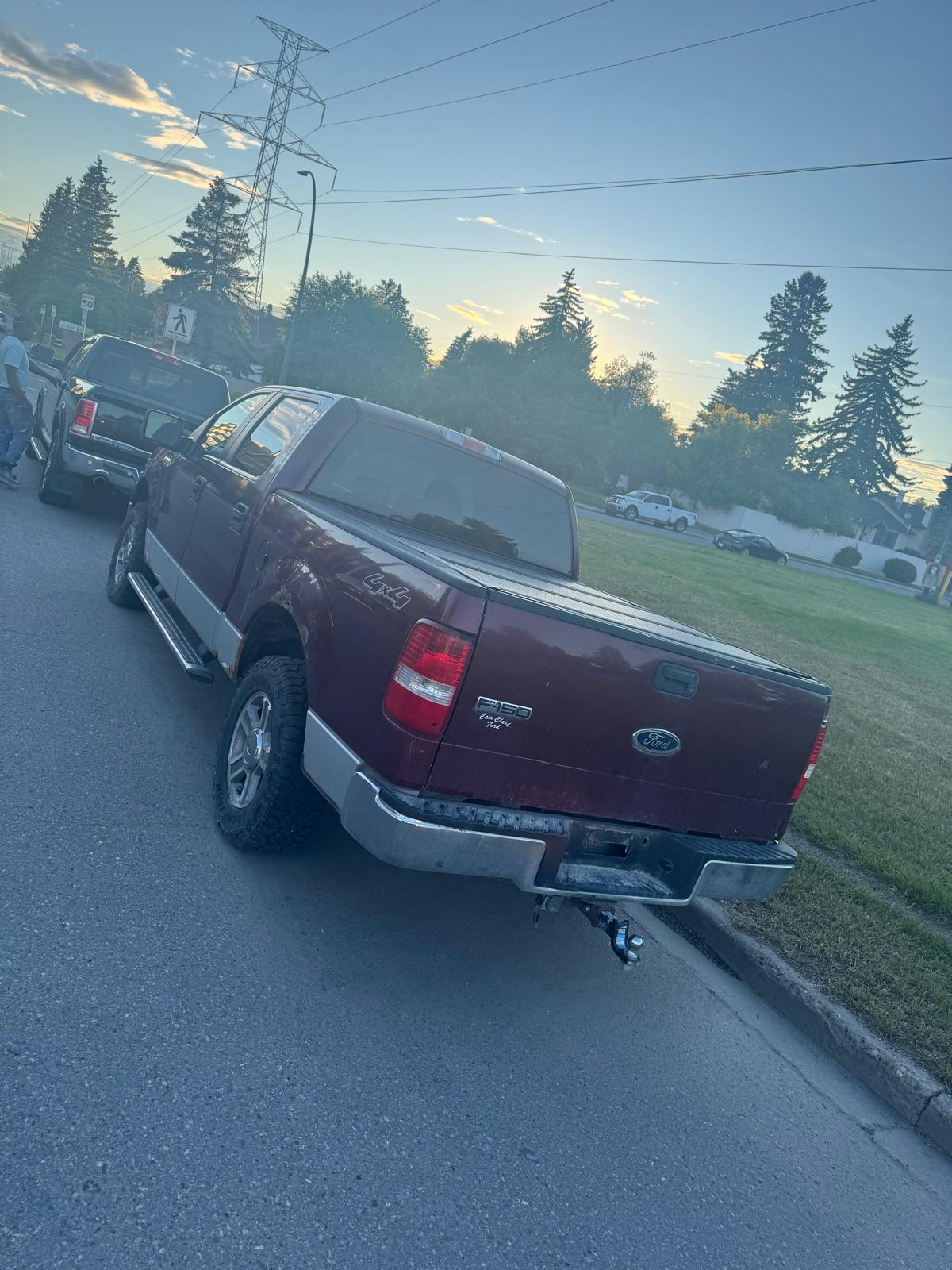
Getting three offers for your junk car might seem like an easy way to find the highest price. One buyer offers $900, another says $1,100, and a third offers $1,250. Naturally, the $1,250 offer looks like the obvious winner.
But what if the highest quote comes with a towing fee? What if the buyer changes the price when they arrive? What if the lowest offer includes free pickup and guaranteed payment while the highest offer does not?
When selling a junk car, the best offer is not always the biggest number you see first. The real goal is to determine how much money you will actually receive, how reliable the buyer is, and how smoothly the vehicle can be removed.
Here is a practical way to compare three junk car offers without getting caught by hidden costs or last-minute surprises.
1. Give Every Buyer the Same Vehicle Information
Before comparing offers, make sure each junk car buyer is working with approximately the same information.
Tell each company the vehicle's:
- Make and model
- Model year
- Mileage
- Running or non-running condition
- Engine and transmission condition
- Major body damage
- Missing parts
- Tire condition
- Location
- Availability of keys
- Ownership or title status, where applicable
Why does this matter?
If you tell Buyer A that the engine is blown but forget to mention it to Buyer B, their offers are not truly comparable.
Being honest about the vehicle's condition can also reduce the possibility of a price dispute when the buyer arrives.
Pro tip: Take a few clear photos of the vehicle before requesting quotes. You can send the same photos to each buyer so everyone has a similar understanding of the car's condition.
2. Write Down All Three Offers
Don't rely on memory.
Create a simple comparison table with the buyer's quoted price, towing terms, payment method, and other conditions.
For example:
|
Buyer A |
Buyer B |
Buyer C |
|
|
Quoted price |
$1,000 |
$1,150 |
$1,250 |
|
Free towing |
Yes |
No |
Yes |
|
Pickup fee |
$0 |
$150 |
$0 |
|
Payment explained |
Yes |
Unclear |
Yes |
|
Price guaranteed |
Yes |
Unclear |
Yes |
|
Final expected payout |
$1,000 |
$1,000 |
$1,250 |
Suddenly, the comparison becomes much clearer.
Buyer B initially looked better than Buyer A, but the towing charge reduces the actual amount you receive.
This is why comparing the final payout is more useful than comparing advertised prices.
3. Ask One Question That Reveals Hidden Fees
When speaking with each buyer, ask:
“Is the amount you quoted the exact amount I will receive, or will anything be deducted?”
Then specifically ask about:
- Towing
- Pickup
- Processing fees
- Administrative charges
- Recycling fees
- Documentation charges
- Other deductions
A buyer may advertise a large cash offer but leave out costs that reduce your final payment.
A transparent buyer should be able to explain the numbers clearly.
If the answer is vague, don't automatically assume there are no fees. Ask for clarification before accepting the offer.
4. Check Whether Towing Is Included
For many junk cars, towing is a major part of the transaction.
A vehicle with a dead battery, failed engine, damaged transmission, accident damage, or severe mechanical problems may not be drivable.
If the buyer provides free junk car removal, that can make the offer considerably more attractive.
For example:
Buyer A: $1,200 offer + $200 towing = $1,000 received
Buyer B: $1,100 offer + free towing = $1,100 received
Although Buyer A advertised the higher price, Buyer B actually puts more money in your pocket.
Always compare the net amount after pickup costs.
5. Find Out if the Price Is Firm
One of the most frustrating experiences when selling a junk car is receiving a good quote and then hearing a completely different number at pickup.
Before agreeing to a buyer, ask:
“Under what circumstances could the quoted price change?”
A legitimate adjustment may sometimes occur if the vehicle is significantly different from what was described. However, a buyer should not use undisclosed issues as an excuse to make an unexpected reduction.
Give accurate information from the beginning and get the agreed terms in writing whenever possible.
A written confirmation can help both sides understand what was actually agreed upon.
6. Don't Ignore Payment Terms
A high offer is not useful if you are uncertain about when you will be paid.
Ask:
- When will I receive payment?
- What payment method will you use?
- Is payment made at pickup?
- Is the payment amount guaranteed?
- Are there conditions that could delay payment?
Clear payment terms are an important part of a good junk car transaction.
You should never feel uncomfortable asking basic questions about your money.
7. Compare Convenience, Not Just Cash
Sometimes two buyers offer almost the same amount, but one makes the process much easier.
Consider:
Pickup: Does the buyer arrange removal from your location?
Scheduling: Can they work with a time that suits you?
Communication: Do they answer questions clearly?
Paperwork: Do they explain what documents are required?
Payment: Is the payment process straightforward?
Imagine Buyer A offers $1,200 and Buyer B offers $1,230.
If Buyer B has unclear pickup arrangements and vague payment terms while Buyer A provides free removal and clearly explains everything, the extra $30 may not be worth the uncertainty.
The best deal is often the one that provides a good balance between value, transparency, and convenience.
8. Investigate the Buyer Before Saying Yes
Three offers give you price information, but they also give you an opportunity to compare the buyers themselves.
Look for:
- Clear business information
- Consistent contact details
- Customer reviews
- A professional website
- Transparent service descriptions
- Clear answers to your questions
Pay particular attention to repeated complaints.
One negative review doesn't necessarily mean a company is unreliable. But repeated complaints about changing prices, surprise fees, missed pickups, or payment problems should make you cautious.
9. Use the “Final Value” Test
If you're struggling to decide between three offers, score each buyer on five factors:
Final payout — 40%
How much money will you actually receive?
Price certainty — 20%
How confident are you that the quoted amount will remain the same?
Pickup — 15%
Is towing or junk car removal included?
Payment — 15%
Are the payment method and timing clear?
Trust — 10%
Does the buyer communicate professionally and provide clear information?
This simple system prevents you from choosing a buyer based solely on the biggest advertised number.
10. Know When to Walk Away
Sometimes the best decision is not accepting any of the three offers immediately.
Pause if a buyer:
- Suddenly lowers the price without a reasonable explanation
- Introduces unexpected fees
- Pressures you to decide immediately
- Refuses to explain payment
- Avoids written confirmation
- Requests unnecessary personal information
- Cannot clearly explain the pickup process
You are allowed to ask questions and compare alternatives.
A trustworthy junk car transaction should become clearer as you ask questions—not more confusing.
Final Checklist Before Accepting a Junk Car Offer
Before handing over your vehicle, confirm these six things:
☐ Final agreed price
☐ Towing or pickup cost
☐ Payment method and timing
☐ Required ownership documents
☐ Any possible deductions
☐ Pickup date and location
If all six are clear, you are in a much better position to make an informed decision.
Final Thoughts
Comparing three junk car offers is about more than finding the largest number. A $1,300 quote may not be better than a $1,150 offer if hidden fees, uncertain payment, or a last-minute price reduction leave you with less money.
Give every buyer the same vehicle information, record each quote, calculate the actual payout, confirm towing costs, check payment terms, and investigate the company's reputation.
Most importantly, don't let a large number rush you into a decision.
The best junk car offer is the one that gives you a fair final payout with clear terms, reliable removal, and no unpleasant surprises.

 English
 Arabic
 French
 Spanish
 Portuguese
 Deutsch
 Turkish
 Dutch
Dutch
 Italiano
 Russian
 Romaian
 Greek
Greek
